Last updated November 18, 2026

Free written scope consultation - allowances, timeline, and change-order rules on paper before a single trade is scheduled
Seasonal Construction Care for Henderson: Year-Round Homeowner’s Guide
Henderson averages 294 sunny days a year and holds a UV index above 10 for roughly five months straight. The same UV load a coastal city accumulates in eight or nine years arrives here in five, which means sealers, caulks, and painted surfaces fail on a compressed schedule that national product warranties don’t reflect. Most seasonal maintenance guides hand you a four-part calendar built for a climate that doesn’t exist here. This one replaces it with the windows that actually govern Henderson homes: pre-heat, extreme heat, monsoon, and cool season. You’ll learn what to inspect in each window, which materials fail first, and how the calendar should change what you build and when.
Styles & brands we work with
- Kitchen remodeling
- Bathroom remodeling
- Home additions & ADU
- Roofing
- Windows & doors
- Driveway & pavers
- Fence
Quick Answer
Henderson’s real maintenance year runs in four windows, not four seasons: pre-heat (February – April) for concrete joints, stucco cracks, and HVAC penetration sealing; extreme heat (May – September) for flat roof membrane monitoring; the monsoon overlap (July – September) for drain clearing and grading checks; and the cool season (October – January), which is the best window to start construction because concrete cures without heat stress and paint adheres better. Inspection intervals should follow the material: stucco and wood fascia annually, concrete flatwork every two years, polymeric sand joints every 18 – 24 months.
Table of Contents
- Why Henderson’s Calendar Isn’t the National Calendar
- Pre-Heat Window (February – April): Inspect Before Thermal Cycling Begins
- Extreme Heat (May – September): What to Watch After the First 100°F Week
- Monsoon Preparation (July – September): Test Drains Before the Events, Not After
- Cool Season (October – January): The Best Window to Start Construction
- Material-Specific Inspection Intervals for Henderson’s Climate
- Common Mistakes to Avoid
- Frequently Asked Questions
Why Henderson’s Calendar Isn’t the National Calendar
The four-season maintenance calendar was written for places with freeze-thaw cycles and consistent summer rain. Henderson has neither. What it has is a long, dry, brutal stretch of heat, a short and violent rain season, and a cool window that behaves more like a mild spring. If you follow generic advice and “winterize” in November, you’ll spend effort on freeze protection that rarely matters and skip the February inspections that actually prevent the expensive failures.
The operative divisions in this climate are:
- Pre-heat (February – April): the last cool weeks before consistent 90°F highs. This is inspection season, because you can still find and fix cracks before the heat opens them up.
- Extreme heat (May – September): sustained highs near or above 100°F. Materials move, sealants soften, and roofs take the heaviest UV dose of the year.
- Monsoon window (July – September): the overlap with peak heat. Rain arrives in a handful of intense events onto ground that has baked hard and sheds water instead of absorbing it.
- Cool season (October – January): the construction-friendly window, with mild days and cold nights that are far gentler on curing concrete and fresh paint than July.
Understanding these windows changes how you sequence work. A stucco patch done in March can be sealed before thermal cycling starts. The same patch done in July may cure unevenly as the surface hits 140°F in direct sun while the shaded side stays far cooler. In our experience walking Henderson neighborhoods like Green Valley and Anthem, most preventable damage traces back to work scheduled in the wrong window, or skipped inspections in the right one. That’s the whole premise behind this guide.
Pre-Heat Window (February – April): Inspect Before Thermal Cycling Begins
This is the window that determines how much you spend the rest of the year. Thermal cycling is the daily expansion and contraction of exterior materials as they heat in the afternoon and cool at night, and in Henderson that swing can run 30 to 40 degrees within a single day. Over a summer, small cracks become structural. February through April is your chance to find them while they’re still small.
Three tasks belong in this window above all others:
- Inspect concrete expansion joints. Walk every slab, driveway, patio, and walkway. Look for joints where the filler has pulled up or gone brittle, and for hairline cracks running across a slab. A failed expansion joint lets water and grit work under the slab edge, and the crack that follows is far more expensive than the joint reseal.
- Map stucco cracks. Not every stucco crack matters. Hairline cracks under about 1/16 inch are usually cosmetic. Cracks wider than that, or any crack that repeats in a stair-step pattern or runs diagonally from a window corner, warrant a closer look before summer. Photograph and mark each one, then recheck in October; if the same crack has widened, it’s telling you something about movement underneath.
- Re-seal HVAC penetrations. Where refrigerant lines and the condensate drain pass through the exterior wall, the sealant around them dries and shrinks. An open penetration is a direct path for hot attic air into the wall cavity and, during monsoon season, a path for water in. Clean out the old caulk and reseal with a high-quality exterior sealant rated for this UV exposure.
We’ve seen this pattern repeatedly in older Henderson subdivisions where original builder-grade sealants are now well overdue. A two-hour walk each March, one photo per issue, is a cheap habit that beats almost any repair bill it prevents. If you’d rather not map cracks yourself, that’s exactly what our documented photo record is for: we hand you evidence of what we found and what we did before the season turns.
Extreme Heat (May – September): What to Watch After the First 100°F Week
Every flat roof in Henderson gets a stress test the first week the high holds at or above 100°F. Membrane materials soften and expand, and any seam that was marginal when it was installed will show its weakness. This is why the week after that first hot stretch matters more than any other point in the roof’s year.
What to look for on a flat roof membrane:
- Ponding scars or dirt lines: a ring of debris that marks where water last stood. It tells you the drainage isn’t working even when it hasn’t rained in months.
- Blistering or bubbles: raised areas where trapped air or moisture has lifted the membrane from the substrate. These grow; they don’t resolve.
- Seam lifting at the laps: the overlapping edges where sheets are joined. Heat softens the adhesive, and a lifted lap is where water will enter next monsoon.
- Granule loss on modified bitumen or coated surfaces: bare patches that expose the asphalt layer beneath and accelerate UV degradation.
There’s a hard temperature threshold worth knowing for any roof work: asphalt-based products, including most roofing adhesives, coatings, and sealants, become non-warrantable when applied above roughly 110°F. Read the technical data sheet on any product before it goes down. Manufacturers will void coverage if the ambient or surface temperature at application exceeds their limit, and in July a Henderson roof surface can be well above that. This is a major reason we schedule roofing in the cool window rather than the middle of summer. Your roof is one of the roofing services we handle, and it’s worth having a flat-roof membrane inspected at least once before each monsoon season, not just when a stain appears on the ceiling.
Monsoon Preparation (July – September): Test Drains Before the Events, Not After
Henderson receives about 4.19 inches of rain a year, and nearly all of it falls in six to eight intense events. That’s the number that should reframe how you think about storm prep: it isn’t about steady moisture, it’s about how your property handles roughly half an inch or more in an hour on sun-baked, hard-packed ground that sheds water instead of absorbing it.
The preparation has to happen before the rain, because by the time the water is pooling it’s too late. Work through this list in early July:
- Clear all area drains and scuppers. Sweep debris off the grates and clear the downspout outlets. On flat roofs, a single clogged scupper can back water onto the whole field.
- Test each drain with a hose. Run water from a garden hose and watch it move. Many drains that look clear to the eye are obstructed further down the line.
- Check that grading falls away from the house. Soil settles over time, and settlement frequently creates a low spot against the wall in the first three to five years. A low spot is where water gets into the wall assembly.
- Confirm the garage slab and side yard drain downhill. In Henderson the garage is often the low point of the lot. Check that the door threshold and the slab pitch shed toward the street or a drain, not toward the wall.
- Inspect your perimeter wall. A concrete block or stucco wall that is taking stormwater off a neighbor’s lot will show efflorescence (the white mineral bloom) and spalling, where the block face chips away. Addressing that in the cool window is far cheaper than rebuilding.
The test-before-the-event principle is the one to carry from this section. The day after a rain, you’ll know whether it worked; doing the work two months earlier is what makes the answer “yes.”
Cool Season (October – January): The Best Window to Start Construction
Henderson’s cool season is the construction window, and the difference isn’t subjective. Two material behaviors drive it:
Concrete cures better. In summer, a slab can lose moisture through evaporation faster than it hydrates. The surface dries and shrinks while the interior stays wet, and the result is plastic shrinkage cracking, curling at the edges, and a finish that never quite gets the strength it should. On a high-UV day, a fresh slab needs constant curing attention just to stay even. In October through February the ambient temperature lets the concrete hydrate at a controlled rate with far less intervention and far fewer heat-related curing defects.
Paint adheres better. Most exterior paints and elastomeric coatings specify an application window, and many require surface temperatures under 85°F to cure properly. If you paint a sunny south or west wall in August, you’re fighting a surface temperature well above that; the paint skins over before it bonds, and blistering or peeling six months later is common. In the cool season the surface stays within spec, and adhesion improves.
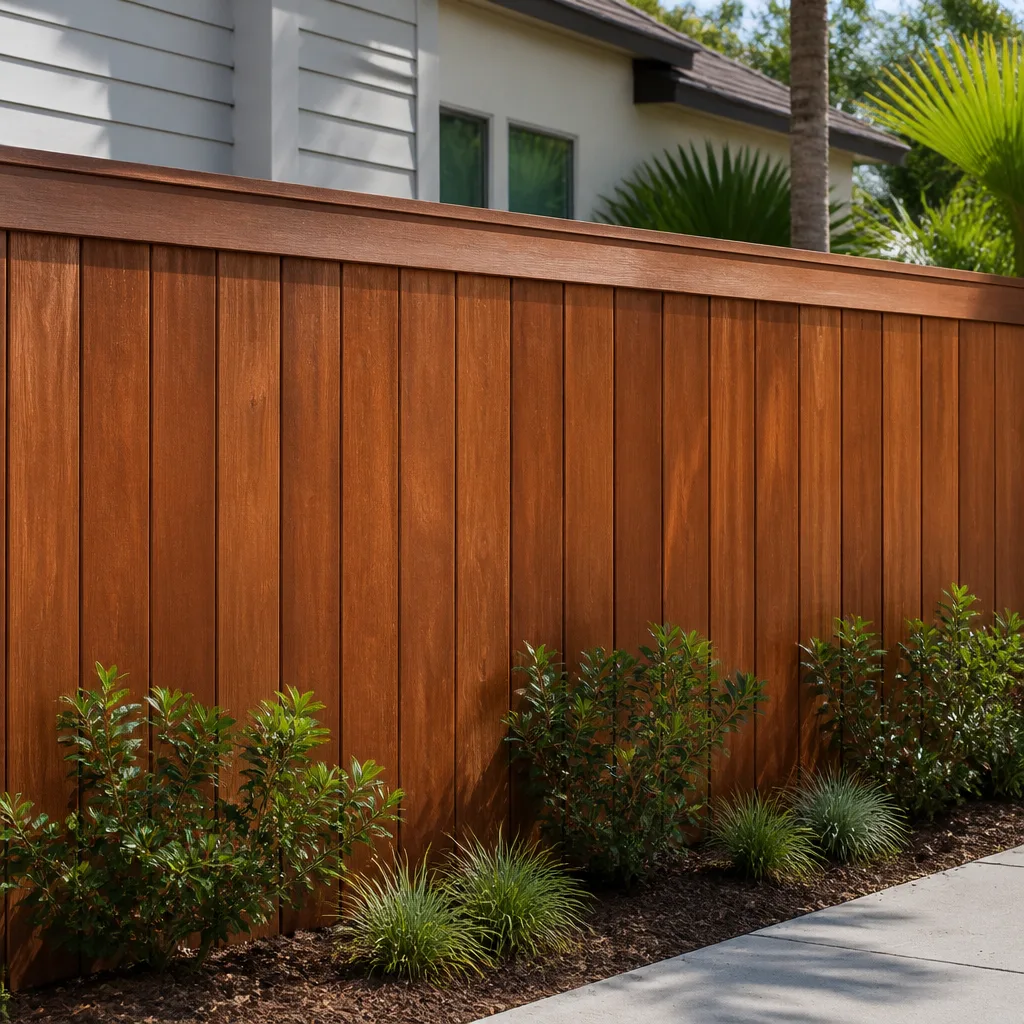
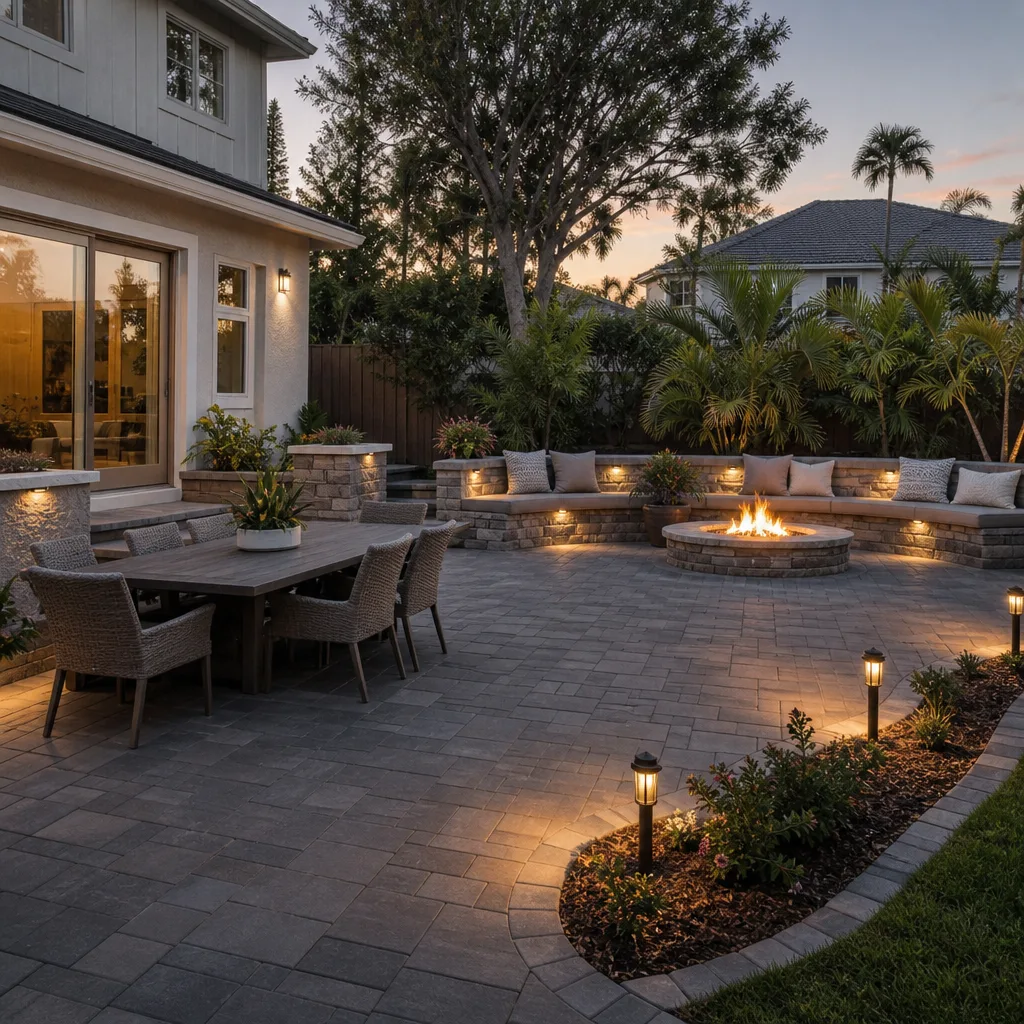
We schedule harder exterior work in this window whenever we can, from new concrete approaches and paver driveways on the flats to fence installs, where the footing concrete also benefits from the slower, more even cure. A fencing job set for November typically avoids the summer footing problems that can set a whole project back. If you have a bigger build on your mind, an addition or ADU is a project worth starting in the cool season so the foundation and framing land before the heat, and so the finish work happens when the finishes behave. Expect the schedule advantage to run in days to a couple of weeks for exterior work, depending on scope.
Material-Specific Inspection Intervals for Henderson’s Climate
These intervals are calibrated to this climate, not to a national product guide. They’re the cycle lengths we see work for our technicians, who bring up to 19 years of experience in this heat.
- Stucco: annually. Walk the walls each pre-heat window and map cracks. Patch and repaint where the base coat is exposed.
- Concrete flatwork: every two years. Inspect joints, seal or reseal where needed, and note any new cracks or settlement. In a climate with this much thermal cycling, two years is a reasonable cadence.
- Wood fascia and trim: annually. Wood that’s painted and facing the sun can dry, check, and split. Look for soft spots and peeling paint along the roofline each spring.
- Polymeric sand joints (pavers): every 18 – 24 months. UV and wind erode the joint sand. Re-sand and re-stabilize before the joints widen and the pavers start to shift.
- Flat roof membrane: once per pre-monsoon season. Inspect seams, flashings, and drains after the first hot stretch and before the July rain.
One more category worth knowing: if you’ve looked at factory-built options like Cover, Dvele, or Boxabl, ask their warranty team how the panelized seams and expansion details hold up to a UV index above 10 for five months a year. The answer tells you a lot about the specification quality. Independent local professionals who work Henderson’s climate daily can help you judge that against what the manufacturer promises.
Common Mistakes to Avoid
- Following the national “winterize” calendar. Henderson rarely sees the hard freezes that calendar is built to prevent, and while you follow it you’ll miss the February inspections that genuinely matter. Time your work to pre-heat and monsoon instead.
- Applying roof sealants and coatings in July. Above roughly 110°F, most asphalt-based products are outside their warrantable application range, and many manufacturers won’t cover the failure that follows. Read the data sheet, then schedule around it.
- Clearing drains after the storm. By the time you clear the downspout, the water has already found the low spot against the wall. Test and clear in early July, before the first event.
- Ignoring concrete expansion joints. A joint that has failed lets water and grit migrate under the slab edge, and the crack that follows is many times the cost of the joint reseal.
- Painting hot south or west walls in summer. Paint applied to a surface well above its spec window skins over before it bonds, then blisters later. The cool season solves this at no extra cost.
- Letting polymeric sand erode without a re-sand. Once the joints open, pavers begin to rock, and the underlying base loses its interlock. It’s an 18 – 24 month cycle, and it’s cheap if you keep it.
- Skimping on documentation. The contractor who photographs what was found and what was done gives you a record that makes future decisions and any warranty conversation straightforward. It’s a standard part of our visits, not an add-on.
When to Call a Professional
Some of this work is do-it-yourself safe: sweeping off drains, photographing stucco cracks, walking the grading. But several areas warrant a trained professional. Roof work at height near the edges of a low-slope roof, any structural crack in stucco or concrete that repeats or widens, and re-sealing penetrations on a pitched roofline all carry real fall or injury risk, and the wrong fix can hide a structural problem rather than solve it. The same goes for any work on an electrical panel, gas line, or anything that requires putting weight on a roof surface you haven’t inspected.
For a roof inspection before monsoon, a stucco crack assessment, or a concrete and paver evaluation, Rowan Construction Group Henderson offers free estimates in Henderson; call (833) 954-5920. You’ll get a written price before any work starts, and a free second opinion on any written estimate you already have.
Frequently Asked Questions
The cool season, roughly October through January, is the best window to start exterior construction in Henderson because concrete cures more evenly without heat stress and exterior paint adheres better within its temperature spec. You get fewer shrinkage cracks in new flatwork and fewer finish failures. Call (833) 954-5920 for an exact quote; estimates are free.
Inspect stucco annually during the pre-heat window and concrete flatwork every two years. The UV load and daily thermal cycling in Henderson wear stucco and concrete faster than in cooler climates, so the pre-heat window (February – April) is the time to catch cracks before summer widens them. Call (833) 954-5920 if you want a professional assessment.
After the first week of 100°F highs, check the flat roof membrane for blistering, lifted seams, bare patches from granule loss, and dirt lines that mark where water last stood. These signals tell you whether the membrane is at risk before monsoon rain hits. Call (833) 954-5920 to schedule an inspection before the July – September window.
Most asphalt-based roofing adhesives and sealants are outside their warrantable application range above roughly 110°F, and manufacturers can void coverage if applied outside spec. In a July afternoon Henderson roof surface regularly exceeds that, so summer is a poor time for these materials. Call (833) 954-5920 to time the work to the cool season.
Clear and test all area drains and scuppers with a hose in early July, confirm the grading falls away from the house, and check that the garage slab and side yard drain downhill before the first heavy event. Do it beforehand, not after; Henderson’s rain arrives concentrated in six to eight events. Call (833) 954-5920 if a drain or grading issue needs a contractor’s eye.
Plan on re-sanding polymeric joints every 18 – 24 months in Henderson, sooner on exposed areas facing full sun and wind. UV degrades the joint sand faster here, and once joints open the pavers start to shift. Call (833) 954-5920 for a free estimate on a re-sand or paver inspection.
The Bottom Line
Henderson’s maintenance calendar runs on four windows, not four seasons. Inspect in February – April before thermal cycling begins: concrete joints, stucco cracks, HVAC penetrations. Watch the flat roof after the first 100°F week, and keep asphalt products off it in July. Test every drain in early July, before the six to eight monsoon events arrive. Schedule construction for October – January, when concrete cures evenly and paint adheres. Follow the material intervals: stucco annually, concrete every two years, wood fascia annually, polymeric sand every 18 – 24 months. That’s the whole framework, and it saves real money across the year. Ready to put it to work? Call Rowan Construction Group Henderson at (833) 954-5920 for a free estimate.
Written by the team at Rowan Construction Group Henderson.
See the difference
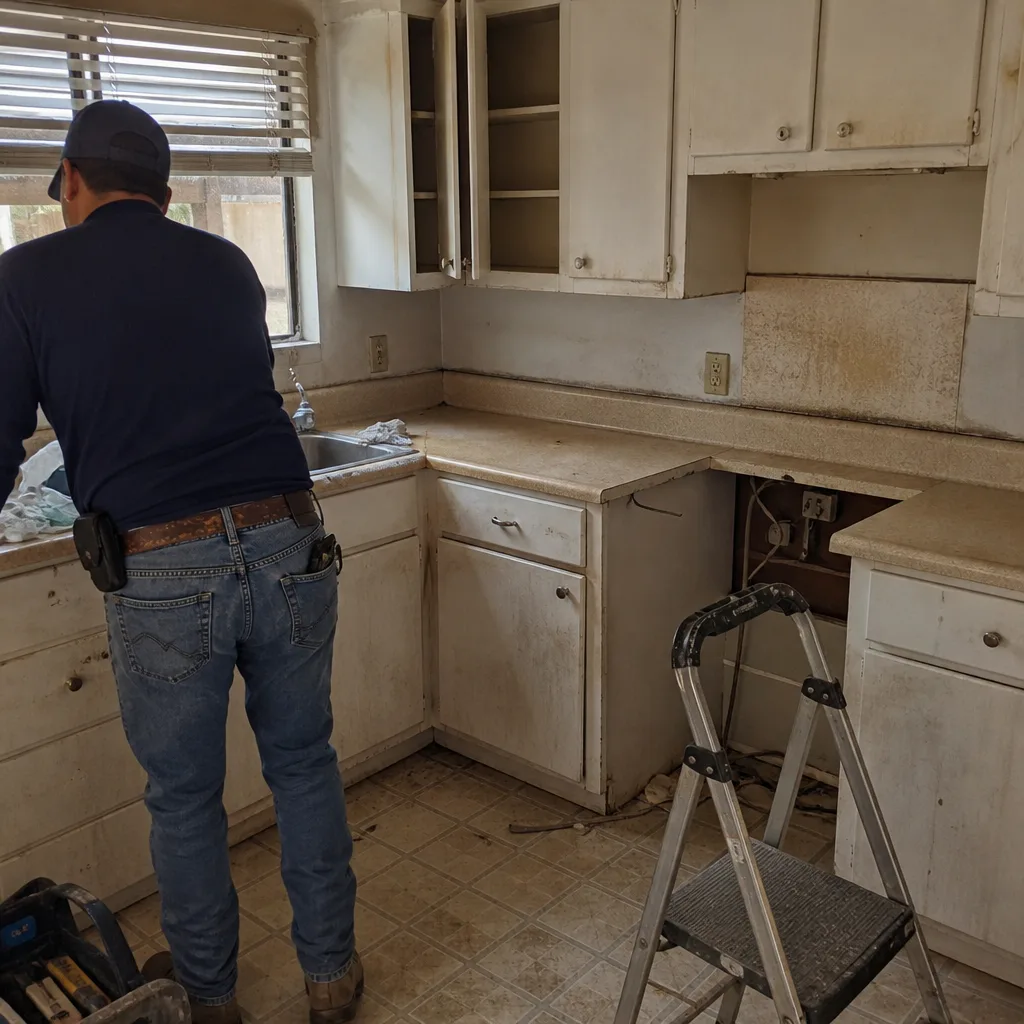 Before
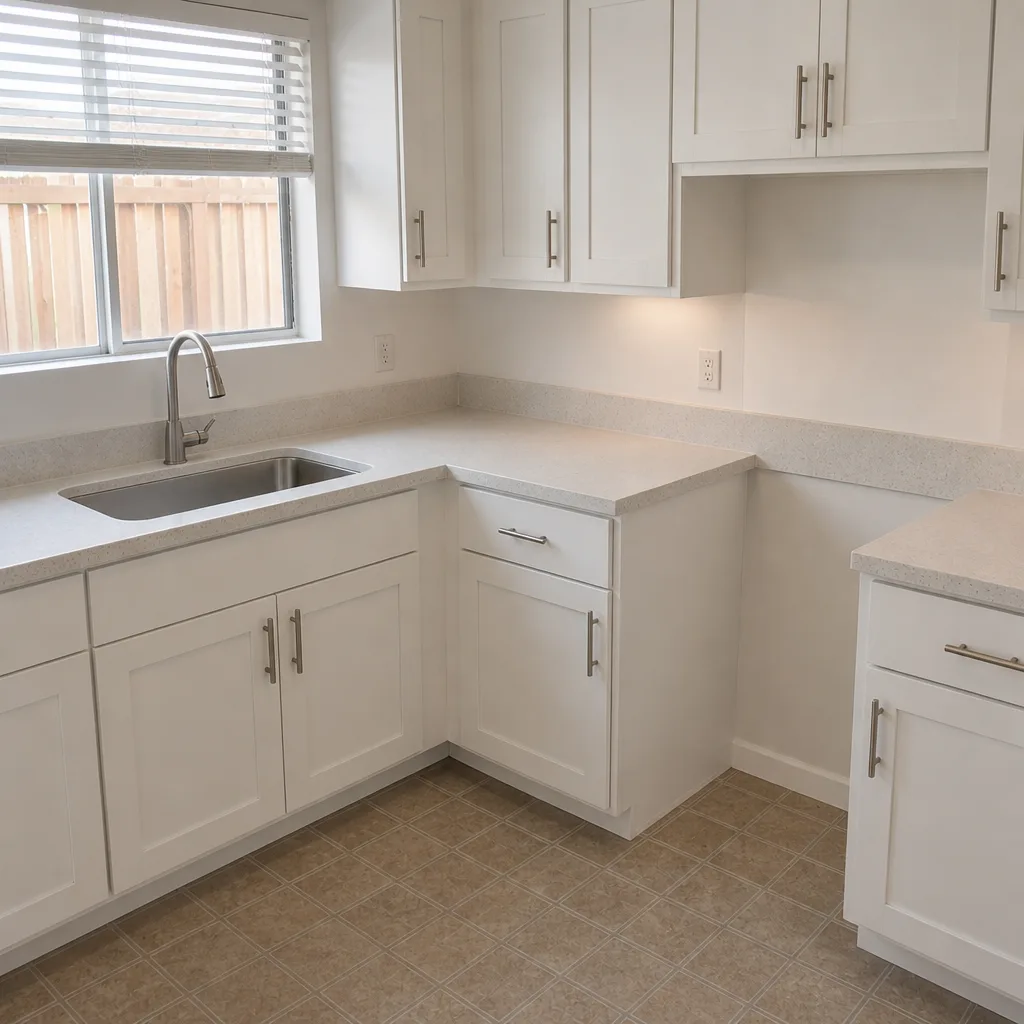 After
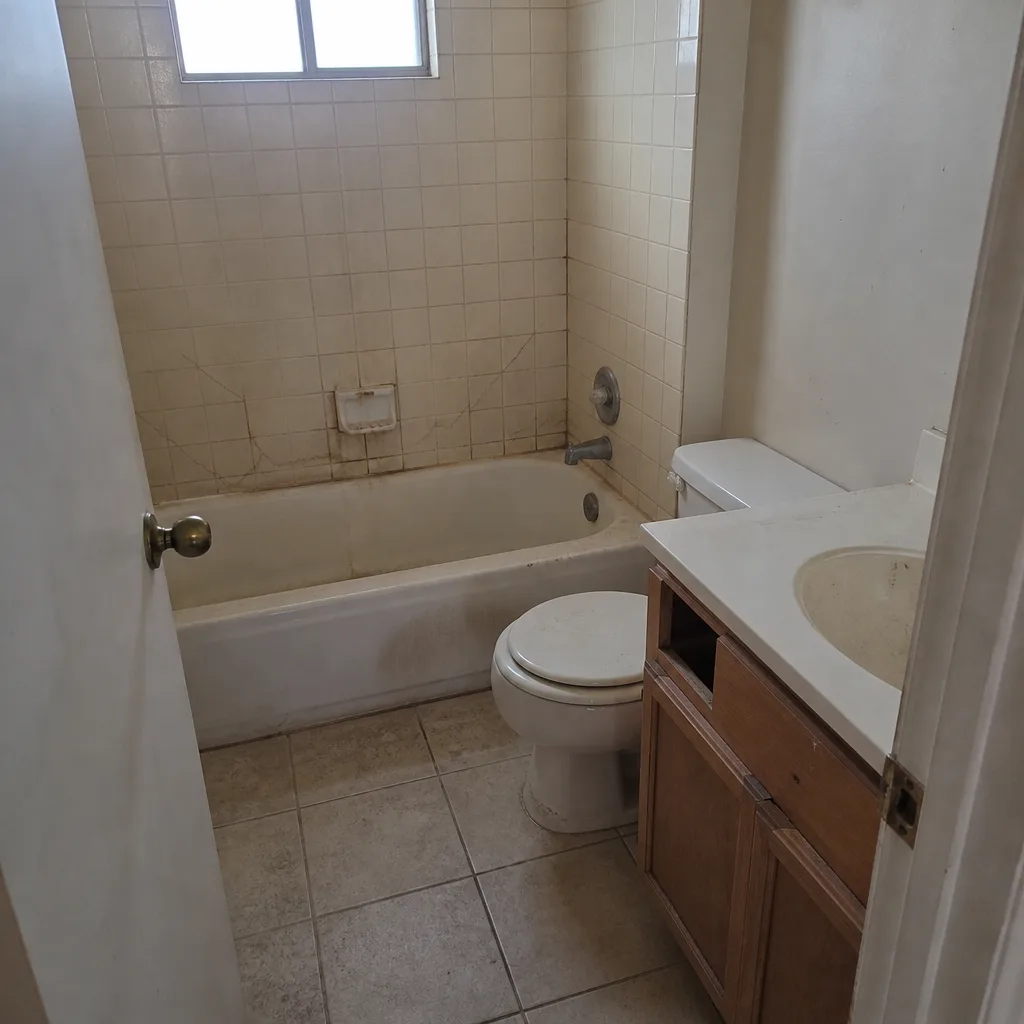 Before
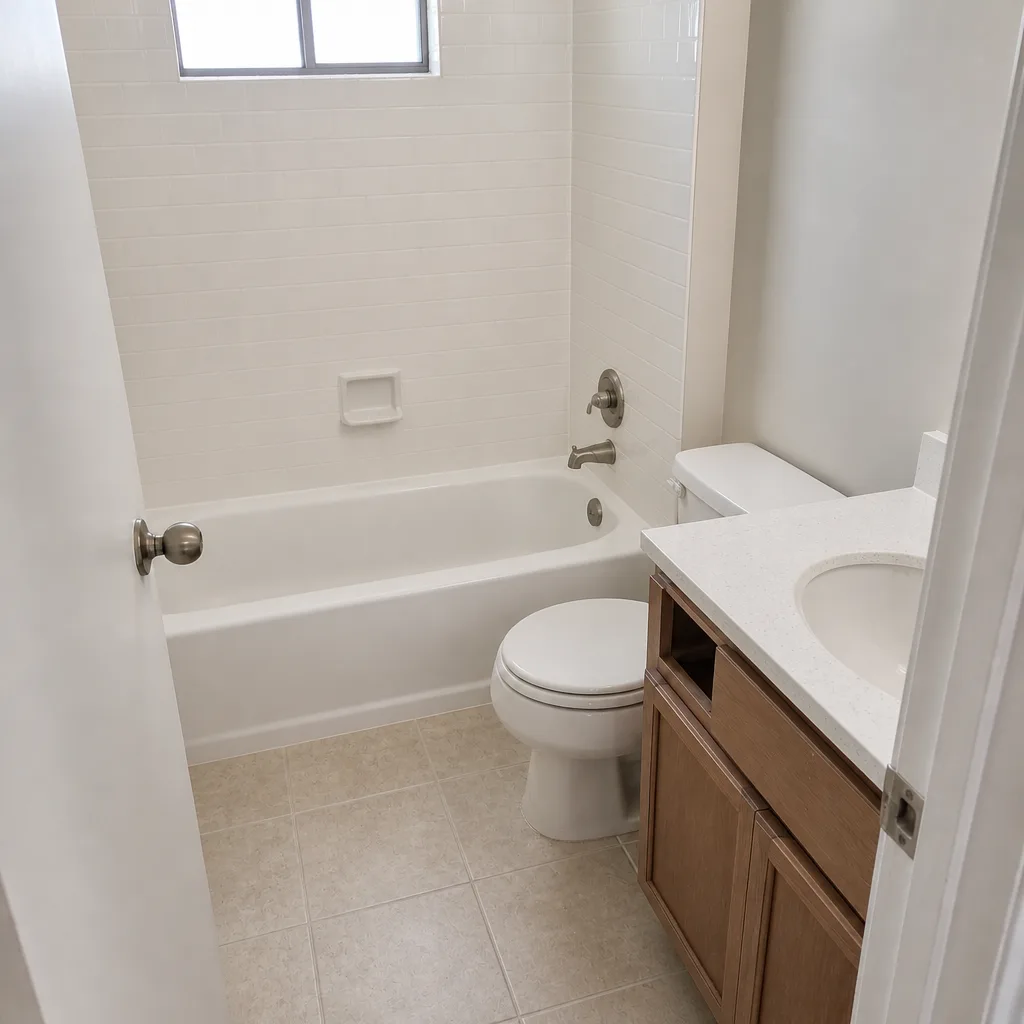 After
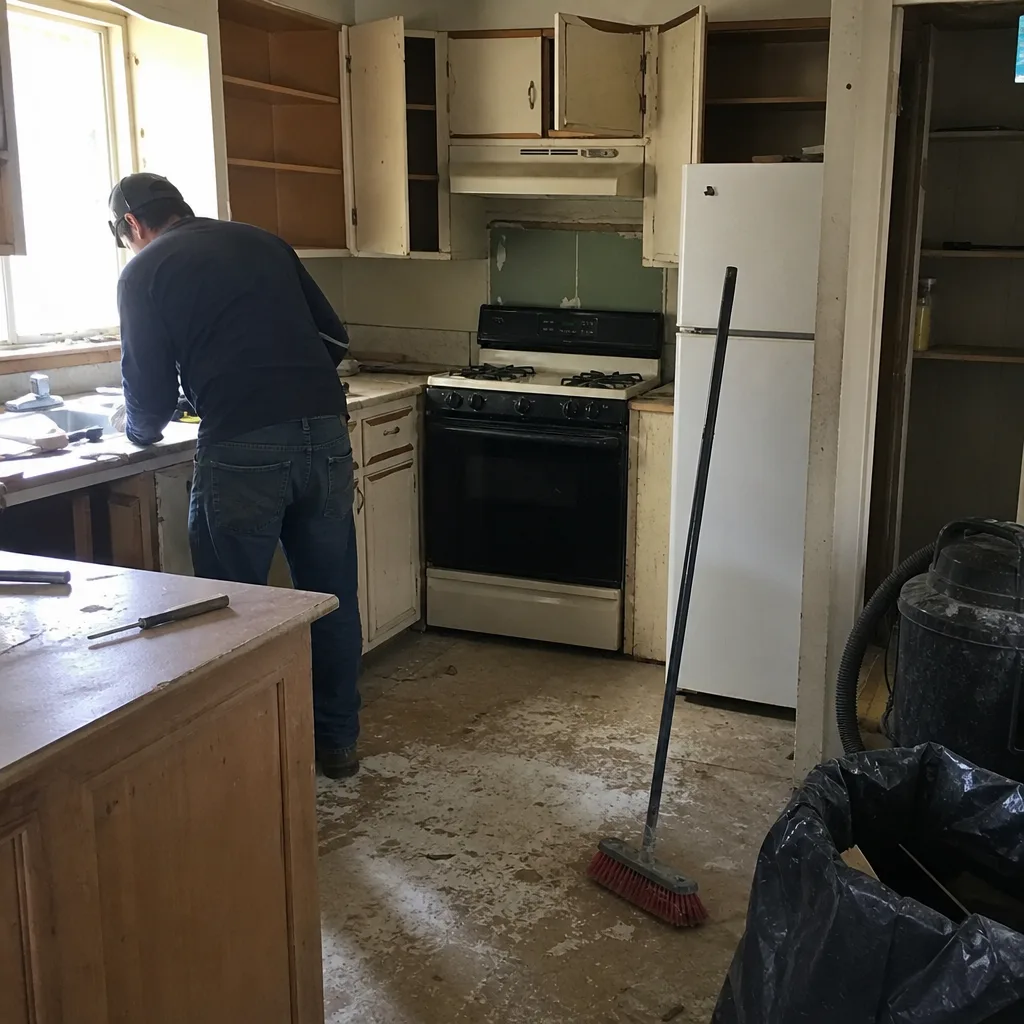 Before
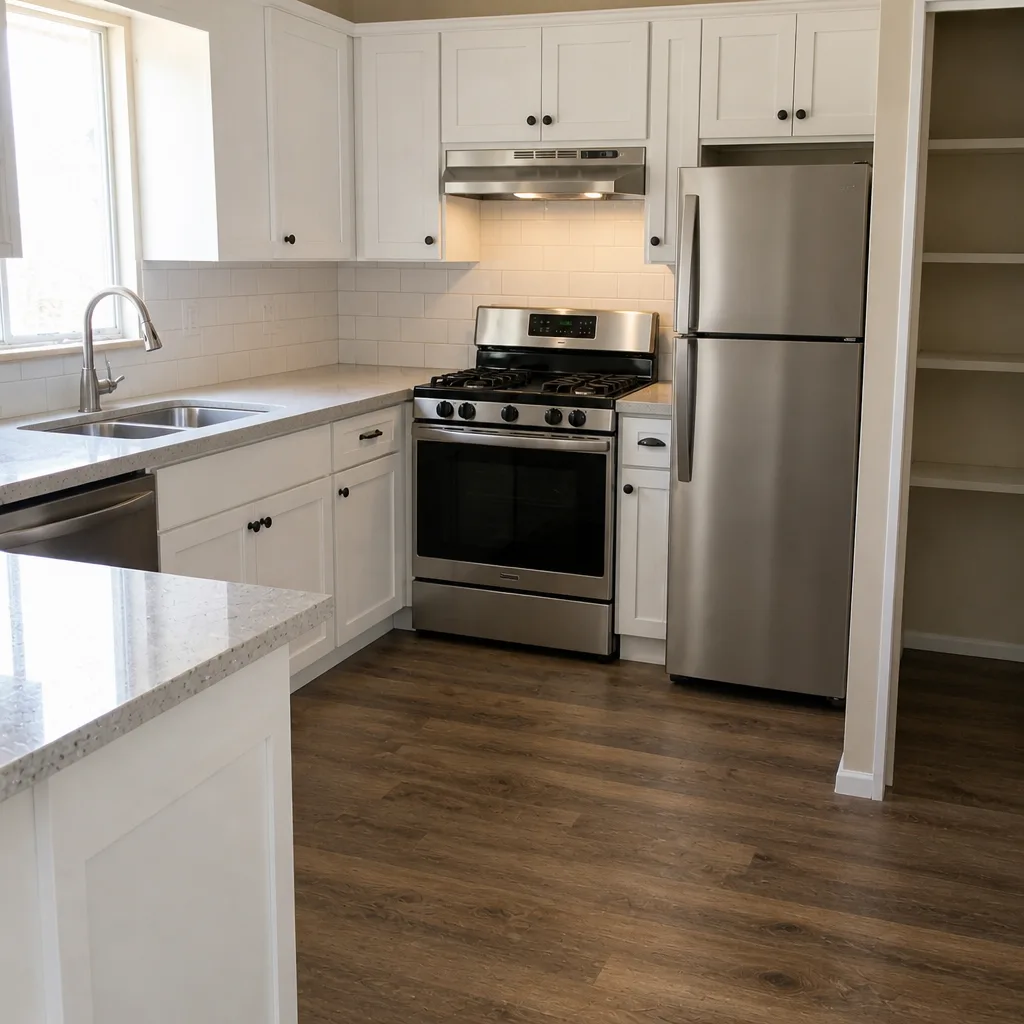 After