Last updated November 18, 2026
Free written scope consultation - allowances, timeline, and change-order rules on paper before a single trade is scheduled
Driveway & Pavers Troubleshooting: Common Problems and How to Fix Them
Rocking pavers and sunken sections are symptoms, not problems. The number one reason a paver repair fails within two years is that the contractor fixed the symptom and never probed the base. In our experience across Henderson, the vast majority of driveway paver failures trace back to one of three root causes: base failure, edge restraint failure, or polymeric sand breakdown. They all look nearly identical from the surface, and each one demands a completely different repair method. Diagnose wrong and you’ll spend $2,000 to $6,000 on a fix that lets go again within two years. This guide walks through the field diagnostics we use, what each result means, and what each repair actually costs.
Quick Answer
Most driveway paver problems in Henderson come down to one of three root causes: a settling or eroded base, a failed edge restraint, or breakdown of the polymeric sand between pavers. The first is structural and needs excavation and re-compaction; the second needs a new restraint system; the third is a surface issue that a resand can usually solve. Diagnosing correctly, using a rock test, an edge pull test, and a base probe, is the difference between a repair that lasts and one that fails again.
Styles & brands we work with
- Kitchen remodeling
- Bathroom remodeling
- Home additions & ADU
- Roofing
- Windows & doors
- Driveway & pavers
- Fence
Table of Contents
- The Three-Step Field Diagnostic: Rock Test, Pull Test, Base Probe
- Polymeric Sand Washout vs. Base Erosion: How to Tell Them Apart
- Edge Restraint Failure in Henderson Installs
- Paver Stains: The Two That Are Permanent and Four That Clean Up
- When a Repair Is DIY and When Henderson Code Says Otherwise
- What Paver Repairs Actually Cost
- Common Mistakes to Avoid
- When to Call a Professional
The Three-Step Field Diagnostic: Rock Test, Pull Test, Base Probe
Before anyone touches a paver, we run three field tests. Each takes under a minute and each one tells us something different about the failure. Skipping any of them is how a contractor ends up guessing, and guessing is how a repair gets done twice.
- The rock test. Step firmly on each suspect paver and watch the joints around it. If the joints move with the paver and neighboring pavers stay put, you have a localized base problem under that single unit. If a whole cluster rocks together as a slab, the bedding layer has lost contact with the base across a wider area. Cluster movement is the more expensive of the two.
- The edge restraint pull test. Grab the paver at the field’s outer edge and pull upward with steady pressure. A sound concrete curb or plastic restraint won’t budge. If the paver lifts 3/8 inch or more, or the restraint flexes away from the paver, the edge has failed. This test is quick, and it’s the one most installers skip.
- The base probe with a 3/8-inch rod. Push a 3/8-inch steel rod down through an open joint until it stops. In a sound base, it stops within 2 to 4 inches. If the rod sinks 8 inches or more before hitting resistance, you’ve found base erosion or an under-compacted lift. Probe in at least three spots: the sunken area, the center of the drive, and the downhill edge near a drain or gutter.
A rocking paver with a firm probe and an intact edge is a bedding-layer issue. A rocking paver with a rod that sinks 10 inches is a base failure. Those are two very different jobs. In Henderson, the base probe matters more than anywhere else: our caliche-heavy soils and monsoon runoff combine to erode base in specific channels, and the rod tells you exactly where that channel runs.
Polymeric Sand Washout vs. Base Erosion: How to Tell Them Apart
This is the single most expensive confusion in paver repair, and it comes up on nearly every driveway we inspect in Henderson after monsoon season.
Polymeric sand washout is a surface problem. The joints are open, sand has washed out, but the pavers themselves sit flat and stable. Run the probe and it hits firm base at shallow depth. The fix is to sweep new polymeric sand into the joints, mist it to activate, and let it cure. Expect $0.80 to $1.20 per square foot for a proper resand, including joint cleaning and re-sanding of a 400-square-foot driveway in a few hours. The pavers stay put.
Base erosion is structural. The pavers look similar from above, but the probe sinks deep, the field feels spongy underfoot, and the depression usually traces a line rather than spreading evenly. That line is the drain path: water is getting under the pavers, running along the base, and washing it out where it exits. The repair is excavation to the depth of the failure, removal of the failed base, re-grading the subgrade, and re-compacting in lifts with a plate compactor. Expect $6 to $12 per square foot, depending on how deep the excavation goes and whether drainage correction is part of the scope.
- Signs of sand washout: open joints, sand pile at the low edge of the drive, pavers stable underfoot, probe hits firm at shallow depth, no ponding.
- Signs of base erosion: a depression that follows a line, spongy feel when walking the affected area, probe sinks deep, water pooling or slow drainage after rain, joints widest at the sunken edge.
In Henderson, the two often appear side by side: sand washout at the top of the drive, base erosion at the bottom where it meets the street. That’s why we resand and probe the same visit rather than treating them as separate jobs.
Edge Restraint Failure in Henderson Installs
Every paver driveway needs an edge restraint: a rigid border along the perimeter that stops the pavers from spreading outward under traffic and thermal movement. There are two common systems. A cast-in-place concrete curb is poured along the edge, and the pavers butt against it. A plastic restraint system, such as Snap-Edge or Brickstop, is spiked into the base and ties the edge pavers to the compacted base.
In Henderson, we see a lot of failures where the installer used a concrete curb alone, without an under-lip. A concrete curb with no lip and no restraint spiked into the base is essentially a curb leaning against the pavers. It works until the ground beneath it settles, and it does settle in our soil. Once the curb shifts, the edge pavers spread a quarter inch, then a half inch, then the joints open, then the sand washes out, and the surface problem masks the structural one.
The failure pattern looks like this: pavers sliding toward the street or the yard, wide joints along the outer row, a visible gap between the pavement and the curb, and a drive that’s wider at one end than it was when it was installed. Walk the perimeter and look down the edge line. Any waver in that line is a warning.
The fix for a concrete-curb failure is not to pour a new curb against the old one. It’s to remove the curb edge pavers, spike a proper plastic restraint into the compacted base, and rebed. The fix we install most often in Henderson is Snap-Edge spiked at 8-inch centers along the perimeter, with a sand-and-cement shoulder to hold the restraint. That’s what stops the spread. When we replace an edge, it’s documented in the photo record with the spike spacing and the base depth, so the next owner of the house can see exactly what was done.
Paver Stains: The Two That Are Permanent and Four That Clean Up
Not every stain comes out, and a contractor who tells you it will is telling you something that isn’t true. Under the Haven Standard’s Clause 1, we write it into the scope before anyone starts: what we expect to remove, what we expect to reduce, and what we expect to stay. Then we do the work and document what changed.
The four that respond to cleaning:
- Iron rust from fertilizer. Oxalic acid-based cleaners, such as a rust-and-efflorescence remover from a paver-specific line, applied at the label dilution. Dwell time 10 to 15 minutes, then scrub with a stiff brush and rinse. Two passes usually clear it.
- Efflorescence (the white, chalky bloom). A pH-neutral efflorescence remover. Dwell time 10 minutes, light agitation, thorough rinse. Note that efflorescence is a symptom of moisture in the base, so if it keeps coming back, the base is the problem.
- Organic staining from leaf litter or algae. A pH-neutral masonry cleaner, or a weak dilution of household oxygen bleach. Dwell 15 to 20 minutes. On shaded sections of a Henderson drive, algae returns every wet season and the right answer is drainage, not more cleaner.
- Oil and grease drips. A poultice of an absorbent powder such as diatomaceous earth, mixed with a solvent, applied to the stain, covered and left overnight, then swept up. The poultice pulls the oil out of the paver rather than washing it deeper.
The two that are permanent:
- Acid etching. Muriatic acid or pool-grade acid that’s been allowed to sit on the surface eats the stain-causing pigment and the paver surface itself. No cleaner will replace it. The remedy is replacement of the affected units.
- Deep-set oil that’s aged into the paver. Oil that’s been absorbed over years and polymerized in the sun won’t come out with a poultice. It’s a permanent color shift. Replacement is the only clean fix.
Before any cleaning, we test on a spare paver or in an inconspicuous corner. That test is the difference between a clean that works and a clean that streaks the drive. It’s also part of the documented photo record: before, during, and after, with the product and the dilution listed in the notes.
When a Repair Is DIY and When Henderson Code Says Otherwise
Some paver work is genuinely a homeowner job. Most of it isn’t, and the line between the two is clearer than most people think.
Safe to do yourself:
- A single paver swap. If a probe confirms the base is sound, one or two damaged units can be lifted with two flat pry bars, the bedding sand re-screeded, and the new paver set and tapped into place. Half a day, no permit.
- Resanding open joints. If the joints show no base movement under the rock test, sweeping polymeric sand, misting, and curing is a surface job that anyone can manage. Half a day for a typical 400-square-foot Henderson drive, and the $0.80 to $1.20 per square foot resand cost is mostly materials.
Not a DIY job, and in Henderson a permitted job:
- Any base excavation or re-compaction. Removing base and repacking it to the correct depth in lifts is a mechanical-compaction job. Running a plate compactor on the surface of pavers that haven’t been set on a properly compacted base will crack them, and that’s the best-case outcome. Base depth in Henderson is typically 4 to 6 inches of compacted Class 2 aggregate depending on traffic load, and getting that depth wrong is what causes the next failure.
- Replacing or resetting an edge restraint. Spiking a restraint into the base and getting the spike spacing and depth correct needs the base exposed and the compaction verified. Doing it wrong re-creates the failure in a season.
- Any structural change to the drive. Widening the drive, changing its grade, or adding a turn-out to the street usually requires a permit from the City of Henderson. Our crews pull permits and pass the inspections as part of the job, and that paperwork is part of what we hand the customer when we finish.
If a single paver is rocking in an otherwise sound drive, call it in and we’ll tell you on the phone whether it’s a one-hour job or a base excavation. If the drive is showing cluster movement, edge spread, or a depression that keeps coming back, get a professional out to probe it. Free estimates are part of every project.
What Paver Repairs Actually Cost
Here are the ranges we see in Henderson, in today’s market. These are for repair, not new installation. Numbers vary with drive size, base condition, and drainage correction.
- Resanding open joints: $0.80 to $1.20 per square foot.
- Single paver replacement (with matching unit): $180 to $350 per paver, depending on whether we can still match the paver in stock.
- Edge restraint replacement, per linear foot: $12 to $25, including removal of the old curb edge, base preparation, and Snap-Edge or Brickstop installation.
- Base excavation and re-compaction, per square foot: $6 to $12, depending on depth and drainage work.
- Full base failure repair on a two-car drive: $2,000 to $6,000, depending on area affected.
- Polymeric sand resand with joint cleaning: included in the per-square-foot resand number above.
- Paver stains, cleaning only: $250 to $600 per drive, depending on square footage and stain type.
- Permits (structural repairs): typically a few hundred dollars, pulled as part of the job.
Under Clause 1 of the Haven Standard, the number we quote is the number you pay. We deliver a written price with a written scope before any work starts. If we probe the drive and find more base erosion than the first inspection showed, we do not proceed on the change until you sign a change order that spells out the new number. That’s the discipline that keeps repairs within a few percent of the agreed cost.
Common Mistakes to Avoid
- Fixing the symptom without probing the base. If the paver rocks, the first question is not “how do we tamp this down,” it’s “what’s under it.” A rod costs twelve dollars and tells you in ten seconds whether you’re looking at a $400 resand or a $4,000 excavation. Fixing pavers without probing is the reason some paver repairs get done twice.
- Resanding a drive with base movement. Polymeric sand swept into a failing drive washes out in the first heavy rain. In Henderson, that can be two weeks away.
- Using a concrete curb against a base that’s already moving. Pouring a new curb against an unstable base just gives you a new curb that fails the same way the old one did. Restraint goes into the base, not against it.
- Applying muriatic acid to remove rust, efflorescence, or cement haze. Acid etches the paver surface permanently. If you can’t name the product and the dilution, don’t apply it.
- Skipping the compaction stage. Hand tamping a 6-inch base lift in a Henderson drive does not compact it. It needs a plate compactor in lifts, and the compaction has to be verified before pavers go down.
- Fixing drainage last. On a Henderson drive with a known low point, drainage correction has to be part of the base re-compaction, not an add-on after the pavers go back down. Water finds the same channel every time.
- Ignoring a small edge gap. A quarter inch of edge spread looks cosmetic, but it’s the first step toward a full failure. It’s also the cheapest issue to fix at that stage.
When to Call a Professional
Call a professional when the drive shows cluster movement rather than single paver movement, when the probe sinks more than 8 inches, when the edge line wavers, or when a sunken area keeps coming back after a resand. Those are signs of base or restraint failure, and both are structural. Call a professional before you power-wash or acid-treat a drive you suspect has a failed base: water sprayed into an open joint only accelerates the erosion. Call a professional before a DIY swap becomes a DIY excavation. In our experience, most expensive Henderson paver repairs started as a small problem that wasn’t probed, and the repair we end up doing is two to three times the size of the one we would have done a year earlier. Rowan Construction Group Henderson offers free estimates in Henderson. Call (833) 954-5920.
See the difference
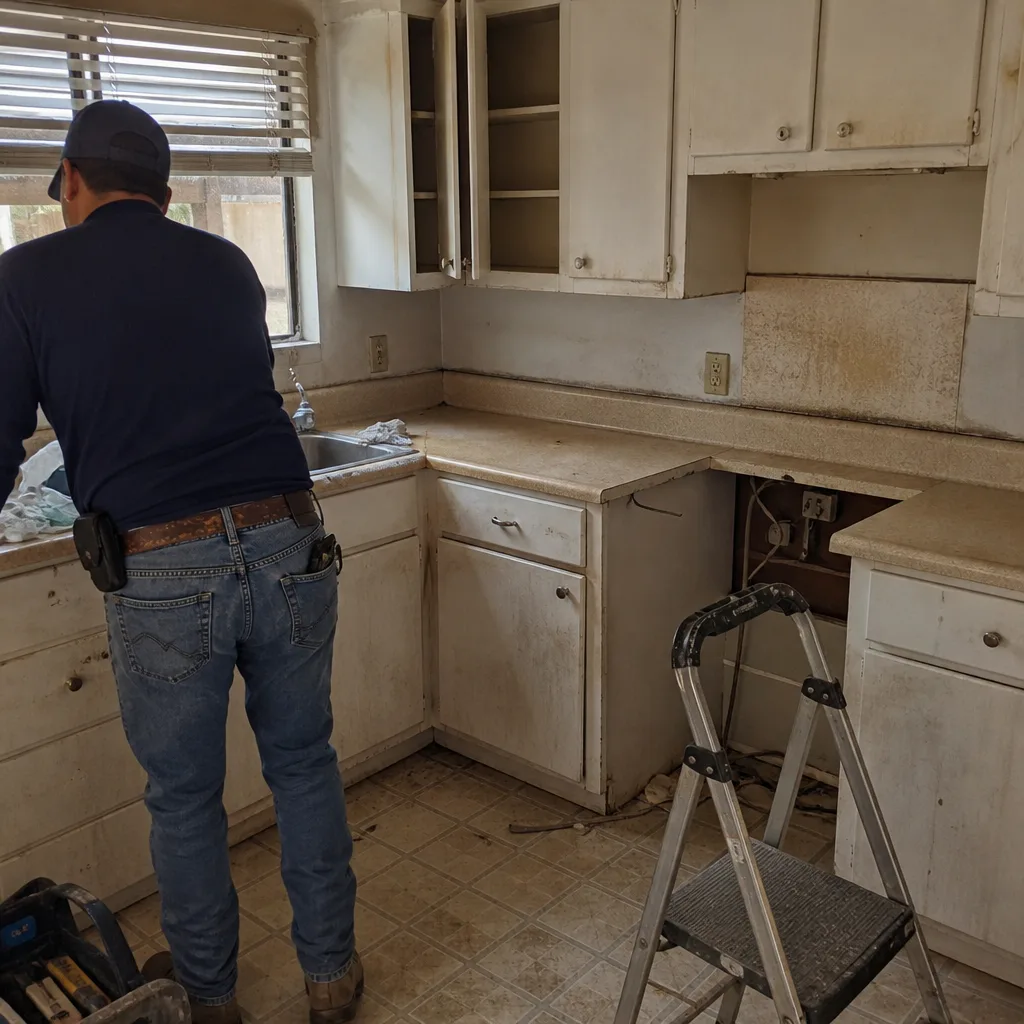 Before
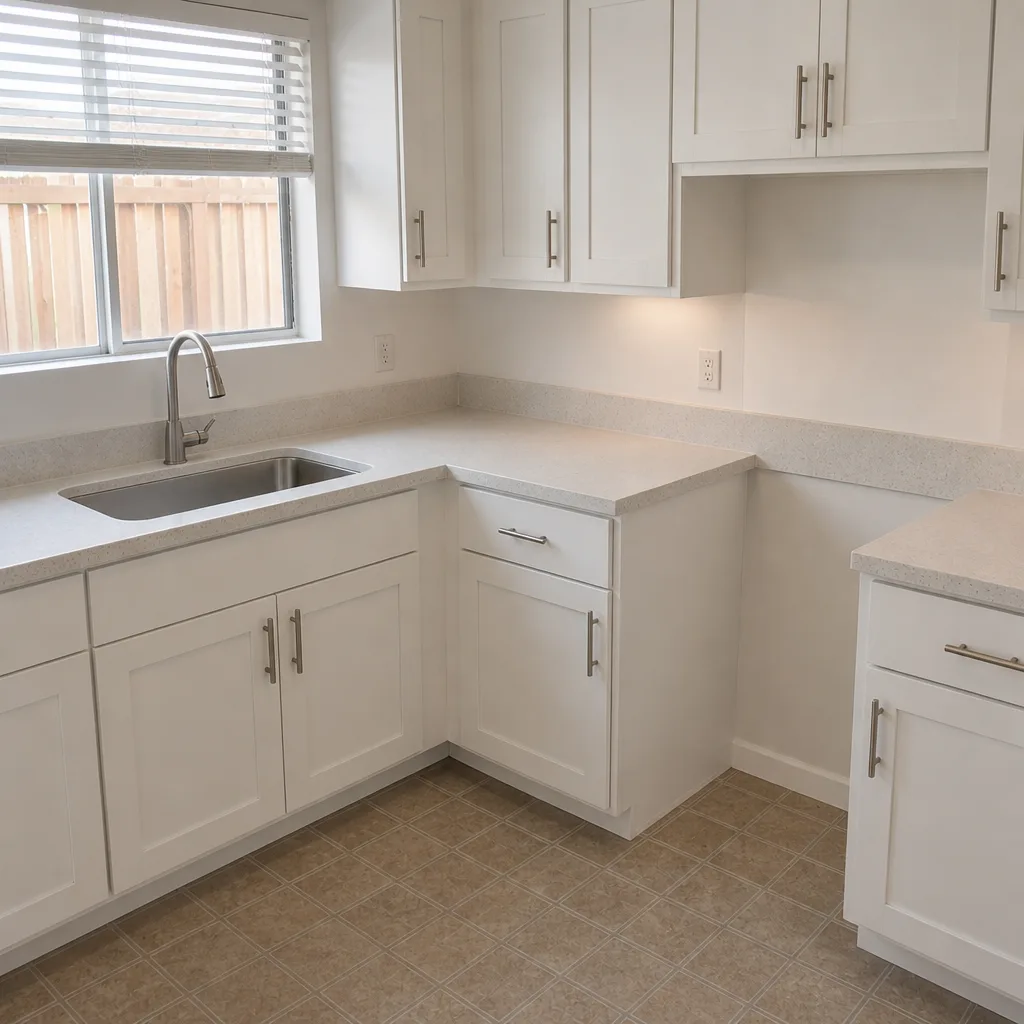 After
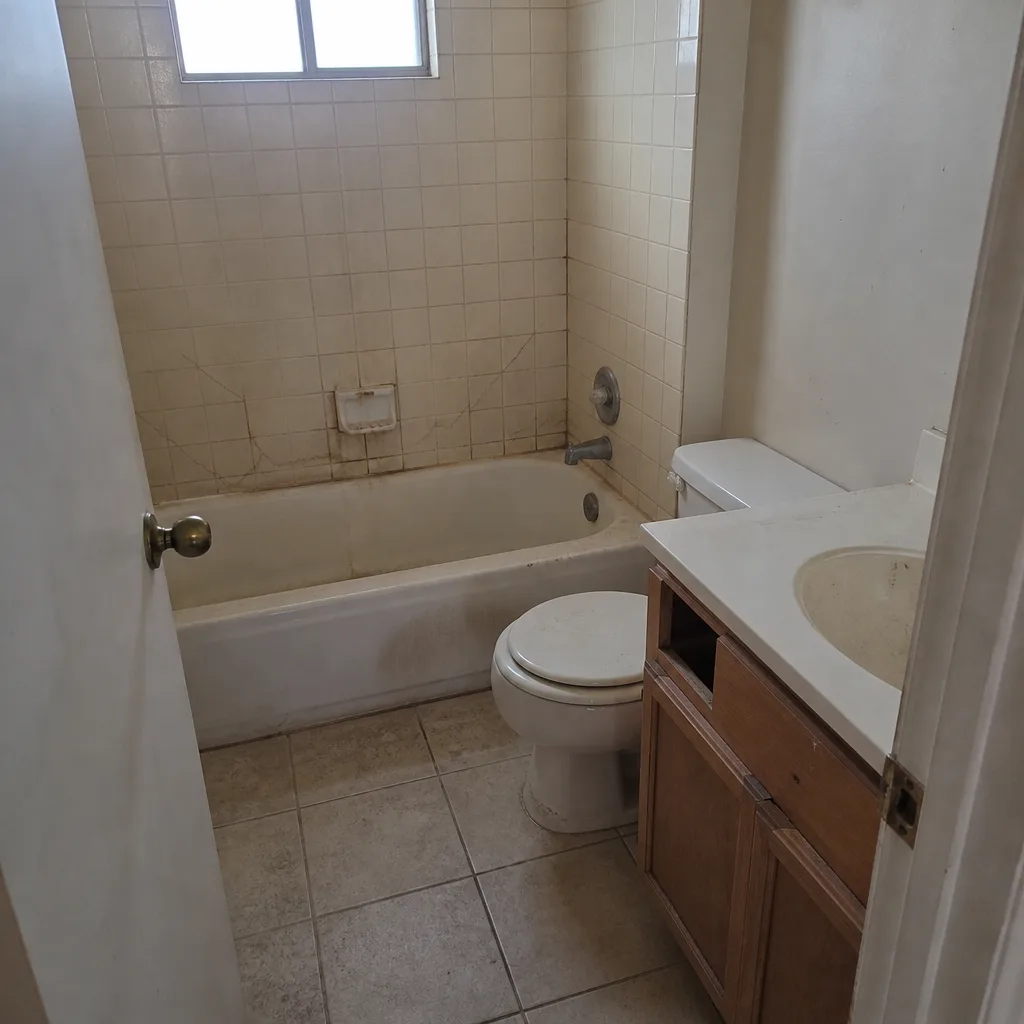 Before
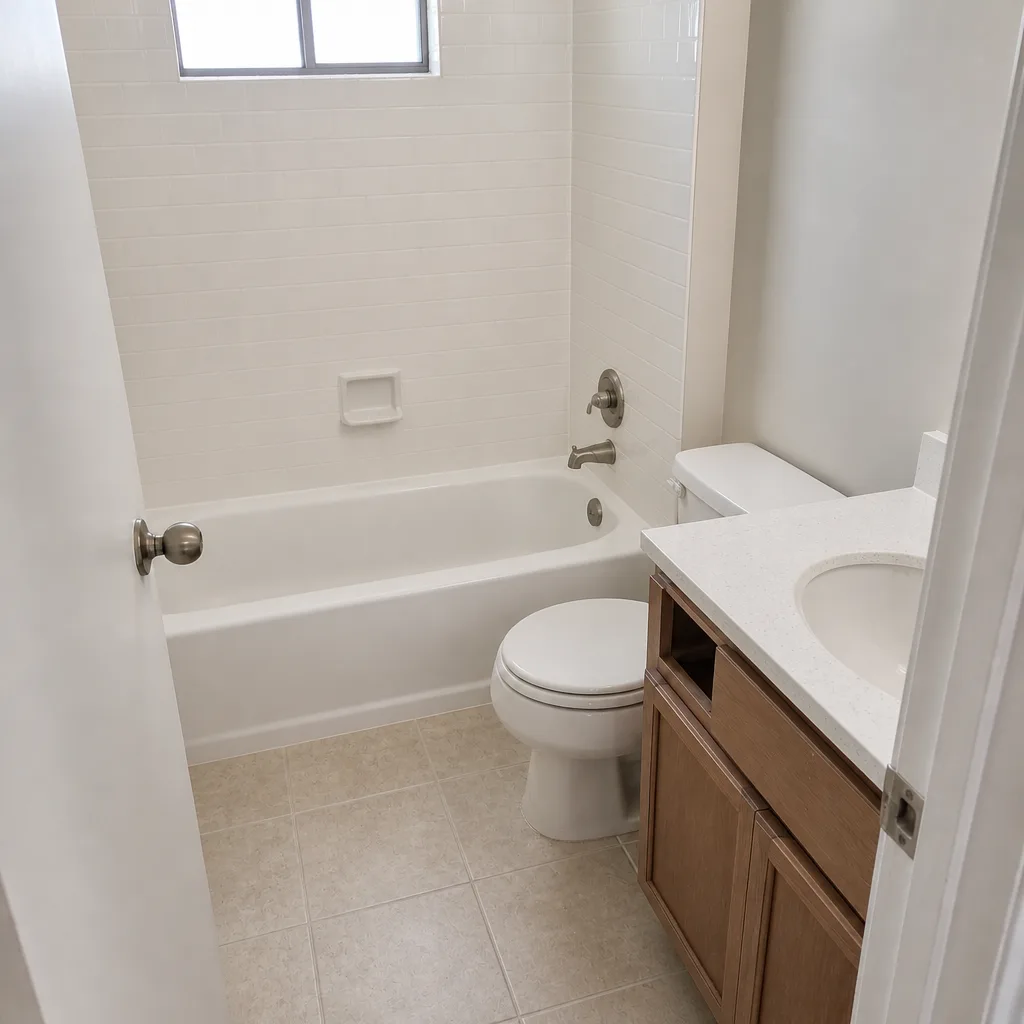 After
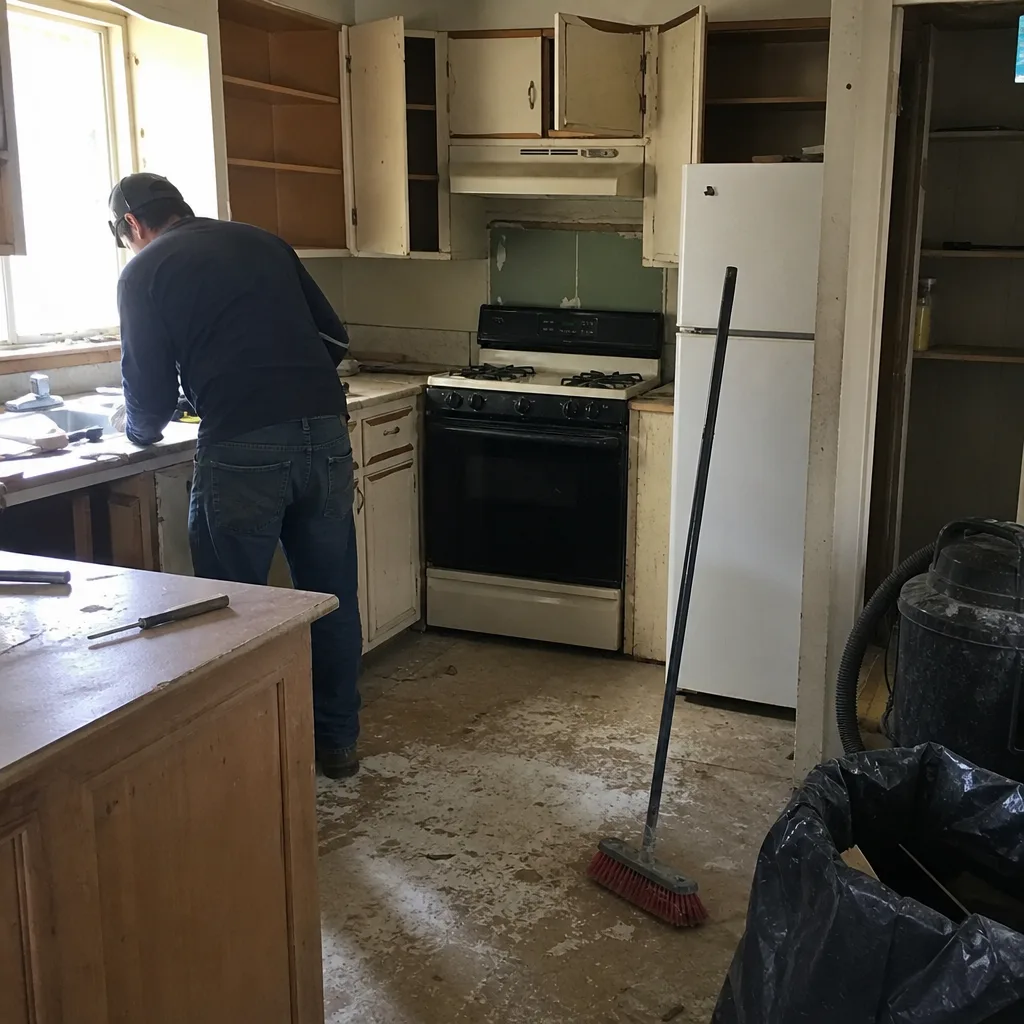 Before
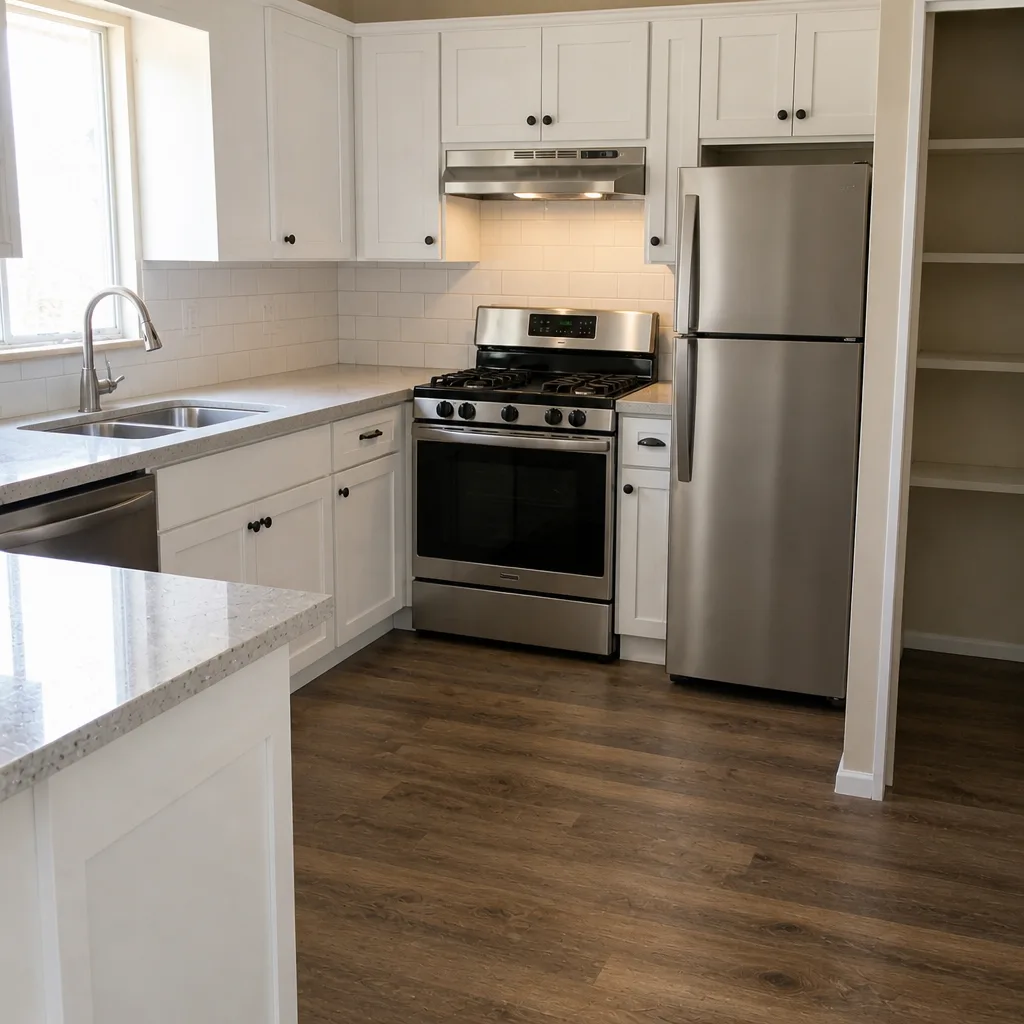 After
Frequently Asked Questions
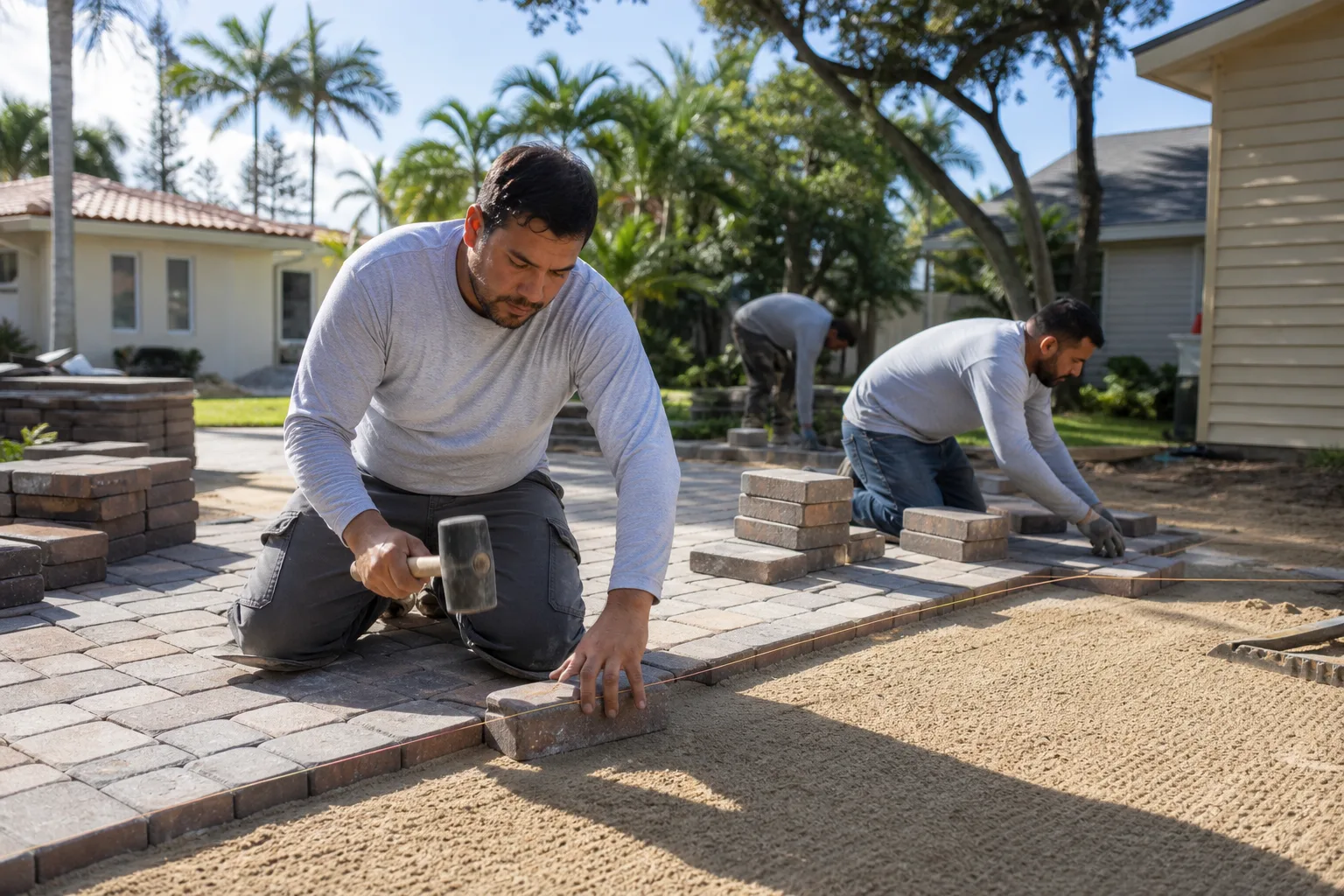
Uneven sinking is almost always base erosion, not faulty pavers. In Henderson, the common pattern is water getting under the joints, running along the base, and washing it out where it exits near the street, a planter, or a drain line. The depression traces the water path, so it looks like an uneven dip rather than a bowl. The fix is not resanding; it’s excavating the affected area, re-grading the subgrade, and re-compacting the base before the pavers go back down. Call (833) 954-5920 for a free estimate, and we’ll probe the drive and write the scope before any work starts.
Resanding open joints runs $0.80 to $1.20 per square foot. Base excavation and re-compaction runs $6 to $12 per square foot. A full base failure repair on a two-car Henderson drive is typically $2,000 to $6,000 depending on the area affected. The written quote we provide is a flat price with a written scope, and no work proceeds on a change until the change order is signed. Call (833) 954-5920 for an exact quote – the estimate is free.
Yes, if the base is sound and the pavers don’t move when you walk on them. Sweeping polymeric sand into open joints, misting it to activate, and letting it cure is a homeowner job that takes half a day for a typical Henderson drive. If the pavers rock, don’t resand; probe first. Sand in a failing drive washes out in the first monsoon. Call (833) 954-5920 and we’ll tell you which one you’re looking at.
Edge spread means the edge restraint has failed. In Henderson installs, the most common cause is a concrete curb that was poured against the pavers without a restraint spiked into the base. Once the ground beneath the curb settles, the edge pavers move outward and the joints widen. The fix is to remove the curb edge, expose the base, and install a plastic restraint such as Snap-Edge or Brickstop with spikes at proper spacing. Call (833) 954-5920 for a free assessment.
It depends on the scope. Swapping a single paver or resanding joints does not require a permit. Base excavation, edge restraint replacement, and structural changes such as widening the drive or changing the grade typically do. Rowan’s crews pull permits and pass inspections as part of the job, and the inspection paperwork is handed to the customer at the end. Call (833) 954-5920 and we’ll tell you whether your repair needs a permit before we quote it.
Rust from fertilizer, efflorescence, organic staining, and fresh oil respond well to the right cleaner: oxalic acid for rust, a pH-neutral efflorescence remover for the white bloom, a pH-neutral masonry cleaner for organic, and a poultice for oil. Acid etching and aged, deep-set oil are permanent. The right answer is replacement of the affected units. We test every cleaner on a spare paver before we touch the drive. Call (833) 954-5920 to schedule a free stain assessment.
The Bottom Line
Most driveway paver failures look alike and aren’t. The rock test, the edge pull test, and the base probe take under five minutes and tell you which of the three root causes you’re looking at. Base erosion gets excavation and re-compaction at $6 to $12 per square foot. Edge restraint failure gets a spiked Snap-Edge or Brickstop at $12 to $25 per linear foot. Polymeric sand washout gets a resand at $0.80 to $1.20 per square foot. Get the diagnosis right and the repair holds. Get it wrong and you’ll be back in the same spot within two years. For a free estimate on a paver repair anywhere in Henderson, call (833) 954-5920. We’ll probe the drive, show you what we found, and put the number in writing before anyone starts.
For the parent service page and local details, see Driveway & Pavers in Henderson. If your paver project touches fencing, gates, or an add-on, our related guides cover Fence Installation in Henderson and Home Additions & ADU in Henderson. Start at the Rowan Construction Group Henderson home for an overview of all seven trades.
Written by the team at Rowan Construction Group Henderson.