Last updated November 18, 2026




Free written scope consultation - allowances, timeline, and change-order rules on paper before a single trade is scheduled
Fence Installation Maintenance Schedule: What to Do and When
Vinyl fence is sold as maintenance-free, and in most of the country that’s close enough to true. In Henderson it isn’t. The same UV load that fades a car’s clear coat in five summers breaks down the surface layer of vinyl fencing until it goes brittle, and by the time the color looks wrong the impact resistance is already gone. We’ve seen panels that looked fine in a photo crack at the first hard knock from a wheelbarrow. This guide lays out a four-season fence maintenance schedule built around Henderson’s actual weather: the spring wind events that work post connections loose and the monsoon humidity that pushes rot and seal failure in a desert people assume is too dry for either.
Quick Answer
A Henderson fence needs four maintenance touchpoints a year: a post-connection and gate-hardware inspection in April after the spring wind season, wood preservative in May before peak UV, hardware lubrication in October after the monsoon, and a full structural inspection in November. Vinyl and CMU block fences skip the preservative but still need an annual UV-inhibitor wash (vinyl) or masonry sealer (block) to hold up under Henderson’s sun.
Styles & brands we work with
- Kitchen remodeling
- Bathroom remodeling
- Home additions & ADU
- Roofing
- Windows & doors
- Driveway & pavers
- Fence
Table of Contents
- Why Henderson Fences Age Differently
- The Month-by-Month Henderson Fence Calendar
- Wood Fence Preservative: What to Apply and When
- Vinyl Fence Care in Henderson’s UV
- CMU Block Fence Maintenance
- Gate Hardware: Lubricants and Torque Checks
- What to Document (and Why It Matters)
- What Fence Maintenance Costs in Henderson
Why Henderson Fences Age Differently
National fence maintenance advice is written for a temperate climate with steady rainfall. Henderson doesn’t work that way, and the mismatch is where fences fail early. Two forces do most of the damage here, and neither appears on a generic checklist.
The first is wind. Henderson’s March through May wind events routinely hit 60 to 70 mph. That’s not a gentle breeze nudging a fence; it’s enough to work a carriage bolt loose over a single season, and enough to push a post that was set correctly two years ago out of plumb enough that the gate starts dragging. The fastener doesn’t usually fail all at once. It backs out a quarter turn, then another, and by the time the homeowner notices the gate sagging the connection has been loose for months.
The second is monsoon moisture. July and August bring humidity spikes most people don’t associate with the desert, and that moisture does two things. It drives water into wood end-grain and check cracks, feeding rot from the inside of a post where you can’t see it. And it works at vinyl’s sealed edges and CMU’s mortar joints, where repeated wet-dry cycling opens hairline gaps. In our experience, a wood fence in Henderson that never sees preservative will show soft post bases within six to eight years, faster than the same fence in a drier, lower-humidity climate with less seasonal swing.
A four-task annual routine addresses both forces directly. It’s not complicated, but it has to be timed to the seasons, not done whenever someone remembers. Fences we install and maintain on schedule are the ones still passing inspection at year ten.
The Month-by-Month Henderson Fence Calendar
The single most useful thing you can do is put four maintenance dates on your phone and treat them like an appointment. Here’s the schedule ordered for Henderson specifically, not a generic annual round-up.
- April: post-connection inspection. After spring winds settle, walk the line and check every post-to-rail connection, gate hinge, and latch. This is when loose carriage bolts from the wind season get caught before summer.
- May: wood preservative application. Apply to wood fences before peak UV and before the monsoon, so the product cures fully during dry weather and is in place when the July humidity arrives.
- June: vinyl UV-inhibitor wash. Clean and treat vinyl surfaces ahead of the hottest stretch of summer, when UV degradation accelerates.
- October: hardware lubrication. After the monsoon, lubricate gate hardware and re-torque connections that have loosened over the wet season.
- November: full structural inspection. The annual deep-check: post plumb, panel integrity, CMU expansion joints, and a written record of everything found.
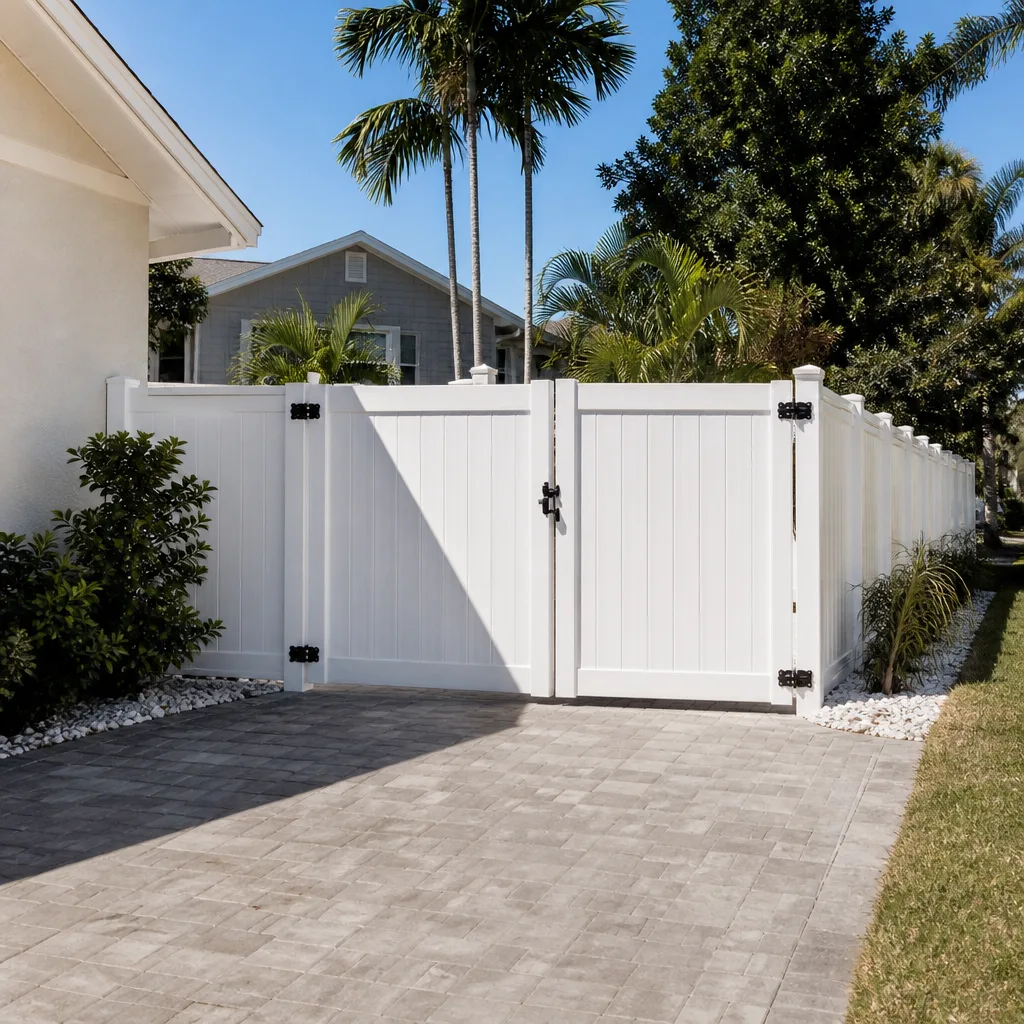
That’s the skeleton. The sections below break down the product choices, torque procedures, and documentation for each task, because the difference between a fence that lasts twelve years and one that lasts twenty is in the details, not the calendar. For homeowners planning a new fence rather than maintaining one, our Fence Installation in Henderson page covers material selection and post-setting for this climate.
Wood Fence Preservative: What to Apply and When
Wood preservative is the highest-leverage task on the list. In Henderson’s UV and monsoon swing, the right product applied in the right window can add years to a wood fence; the wrong product applied at the wrong time can trap moisture and speed rot. Two products come up repeatedly for this climate, and they behave differently.
- Ready Seal: a penetrating oil-based stain with a low-VOC formula. Coverage runs roughly 100 to 150 square feet per gallon depending on wood porosity, dry time is short even at 95°F ambient (often recoat-ready within a few hours and fully cured in 24 to 48), and it needs reapplication roughly every two years in Henderson’s UV load. It’s forgiving on older wood because it penetrates rather than film-forms.
- TWP 1500 Series: a semi-transparent penetrating stain with higher solids. Coverage is similar, but it holds color longer under intense sun and can stretch to three years between coats on vertical surfaces. Dry time is longer at high ambient temperature and it’s less forgiving of application over damp wood, so it demands a drier forecast window.
At 95°F ambient, both products cure faster than the label’s standard conditions assume, which means the practical rule is apply in the morning, work in shade, and never apply when rain or high humidity is within 24 hours. The March-May dry window before the monsoon is the right time; spraying during a July humidity spike is how trapping moisture happens. Fresh pressure-treated wood needs to dry six to twelve months before its first coat, so a newly installed fence waits until the following spring.
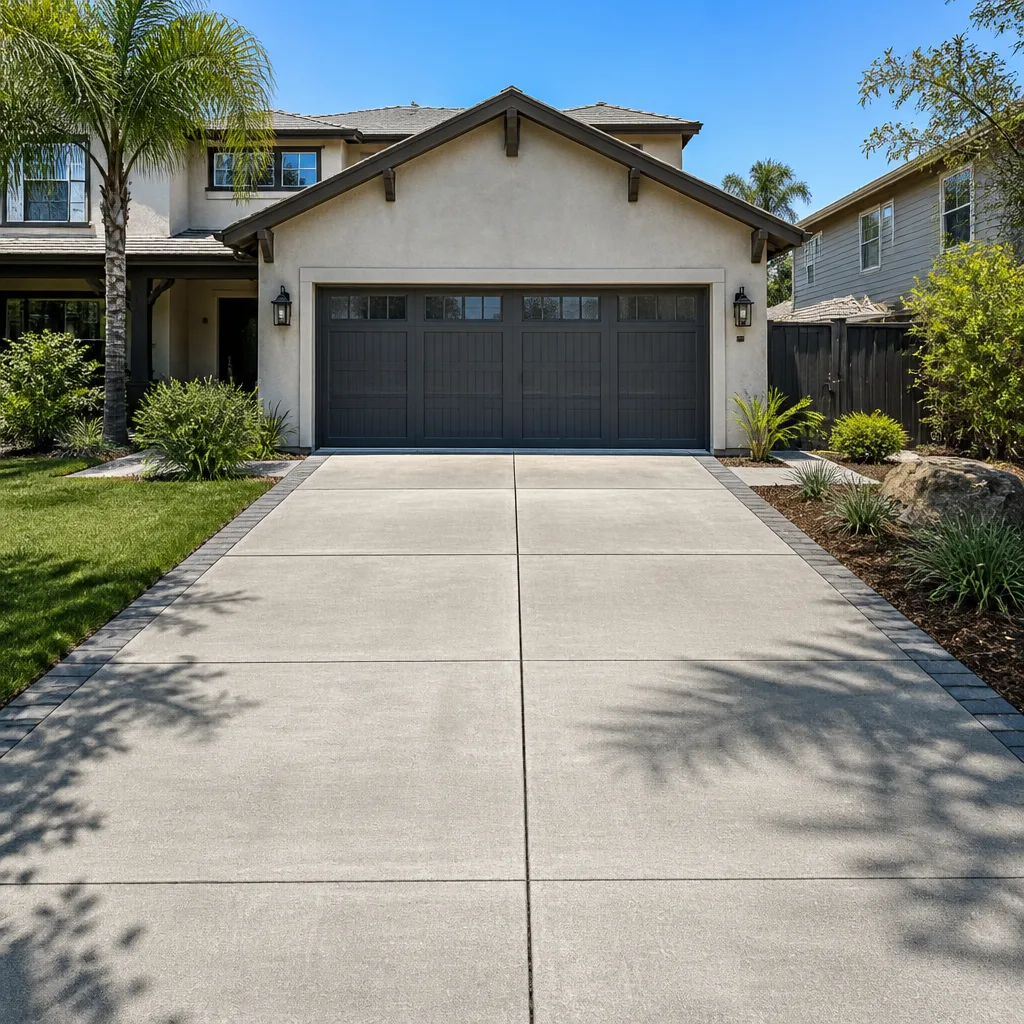
If the fence line borders a driveway or pavers, check that product overspray doesn’t hit the hardscape; our Driveway & Pavers in Henderson page has notes on sealing those surfaces separately.
Vinyl Fence Care in Henderson’s UV
Vinyl’s “no maintenance” label is the single most misleading thing about it in this market. It doesn’t rot and it doesn’t need stain, which is real. But Henderson’s sun load breaks down the surface plasticizers over roughly a decade, and the failure mode is brittleness, not just fading. An annual wash with a UV-inhibitor product is what keeps impact resistance intact.
- Wash the surface. Use a garden sprayer with a mild detergent and water, or a dedicated vinyl UV-inhibitor cleaner. Avoid abrasive pads, which micro-scratch the surface and give UV a head start.
- Rinse thoroughly, top to bottom. Residual cleaner film attracts dust, which holds heat and accelerates the surface breakdown you’re trying to prevent.
- Inspect for stress marks. Look at panel edges, post caps, and anywhere the fence takes direct sun for hairline whitening or chalky surface. Those are early brittleness signs, and they show up before any color loss.
- Check the wind zone. Vinyl panels rack and shift under 60-70 mph gusts more than wood; confirm post connections are snug after the spring wind season.
No vinyl fence should be pressure-washed at high setting. It drives water behind the panel and can crack an already-brittle edge. A gentle wash and inspection is the whole task, and it takes an afternoon.
CMU Block Fence Maintenance
CMU (concrete masonry unit) block fences are common in Henderson subdivisions and they’re durable, but “durable” is not “maintenance-free.” Two things need annual attention: the sealer and the expansion joints. A block fence that skips the sealer will start showing water staining and, eventually, surface spalling within a few winters of freeze-thaw cycling at the margins.
Masonry sealer. Apply a breathable, penetrating masonry sealer annually or at the label’s interval – Radon Seal and Foundation Armor SC-25 are both common in this market, and both need to go on clean, dry block and not on a humid day. Sealer that traps moisture behind it does more harm than good, so verify the block is dry and the forecast is clear.
Efflorescence removal. That white powdery bloom on block is efflorescence – water-soluble salts pushed to the surface by moisture. Remove it with a diluted mild acid wash (following the manufacturer’s dilution, never full strength) and a stiff brush, then rinse. Efflorescence that keeps returning in the same spot is a sign moisture is getting in somewhere, usually a failed joint or a missing sealer coat.
Expansion joints. Block fences are built with expansion joints at intervals to let the wall move with temperature swings. Inspect them every fall: a joint that has opened wider than about 3/8 inch, or one where the sealant has cracked or pulled away, needs to be re-packed before the next freeze cycle. That’s the checklist that keeps a block fence from developing a leaning section.
Gate Hardware: Lubricants and Torque Checks
Gates fail before fences do, and they fail at the hardware. In Henderson’s dust, the wrong lubricant is worse than none – a wet lubricant collects grit and turns the hinge into an abrasive paste. The right choice matters.
- Dry PTFE (Teflon) lubricant: the pick for this climate. It goes on as a liquid, dries to a thin film, and doesn’t attract or hold dust the way oils do. In high-particulate conditions it clearly outperforms WD-40 and other wet sprays.
- WD-40: fine as a short-term penetrant to free a seized hinge, but it attracts and holds dust and needs frequent reapplication. Not the year-round choice here.
- Carriage bolt torque: re-torque gate carriage bolts and hinge plates to the manufacturer’s spec (commonly around 15-25 ft-lb for standard 3/8-inch hardware, check your gate’s hardware spec) after the wind season in April and again in October. Over-torquing crushes the wood; under-torquing lets the wind work it loose.
The October lubrication pass doubles as the post-monsoon check: monsoon humidity and wet-dry cycling loosen connections, and a gate that swung freely in spring can bind by fall. Lubricate, torque, and test the swing before the November structural inspection.
What to Document (and Why It Matters)
Documentation is the step almost everyone skips, and it’s the one that pays off when a warranty claim or an HOA letter shows up. Write down what you did, when, and with what product – a simple three-item log.
- Post plumb readings: measure and record the vertical alignment of key posts each year. A post drifting a half-inch per year shows up in the numbers before it shows in the gate.
- Hardware torque dates and values: note the date you re-torqued and the value you used. If a gate hinge later fails, this record shows maintenance was performed to spec.
- Product application log: which preservative or sealer, what date, what coverage, what the ambient conditions were. This is also the record an HOA will ask for if there’s an exterior-appearance or upkeep inquiry.
The same format we use on every job – a documented photo record of what was found and what was done – is what supports a warranty claim or answers an HOA compliance question without a back-and-forth. If you’re adding a fence as part of a larger project, our Home Additions & ADU in Henderson page explains how the perimeter schedule folds into a bigger build, and our Rowan Construction Group Henderson home page shows the documentation standard across all seven of our trades.
What Fence Maintenance Costs in Henderson
Maintenance is cheap compared to replacement, and knowing the ranges helps you budget. These are typical Henderson figures for the tasks in this calendar.
- Wood fence preservative (DIY materials): roughly $30 to $60 per gallon; a typical residential line runs $150 to $400 in product depending on footage.
- Professional wood fence re-stain/apply: typically $1.50 to $3.00 per linear foot.
- Vinyl UV wash and inspection: usually $100 to $250 for a standard residential lot, often bundled.
- CMU sealer application: roughly $1.00 to $2.50 per square foot of wall surface.
- Gate hardware service (lube, torque, adjust): $75 to $200 depending on gate count and condition.
- Full annual structural inspection: $150 to $350, and it’s the least expensive way to avoid a post replacement in the thousands.
Every Rowan quote for this work is a flat written price with a written scope before anyone starts. If you have a competitor’s written estimate, we’ll review it line by line at no charge – a free second opinion – so you can compare apples to apples. Pricing for a full new fence, by contrast, starts around $40 to $65 per linear foot installed in Henderson depending on material.
Common Mistakes to Avoid
- Skipping the April post check. Spring winds at 60-70 mph loosen carriage bolts a quarter turn at a time; waiting until a gate drags means the connection has been loose for months and the post may already be out of plumb.
- Staining during monsoon humidity. Applying preservative when July humidity is high traps moisture under the film and feeds the rot you’re trying to prevent. Wait for the dry spring window.
- Using a wet lubricant on gate hinges in Henderson’s dust. WD-40 and oils collect grit and turn the hinge into an abrasive paste; a dry PTFE film is the right call in high-particulate conditions.
- Pressure-washing vinyl at high setting. It drives water behind panels and cracks already-brittle edges. Gentle wash and inspect.
- Ignoring efflorescence on CMU. White bloom that keeps returning means moisture is getting in somewhere; treat the cause, not just the surface.
- Not recording anything. Without a dated product and torque log, an HOA inquiry or warranty claim becomes a guessing game. The record is the proof.
- Assuming vinyl needs nothing. UV breakdown shows up as brittleness before it shows as color loss; an annual UV-inhibitor wash is what keeps impact resistance intact.
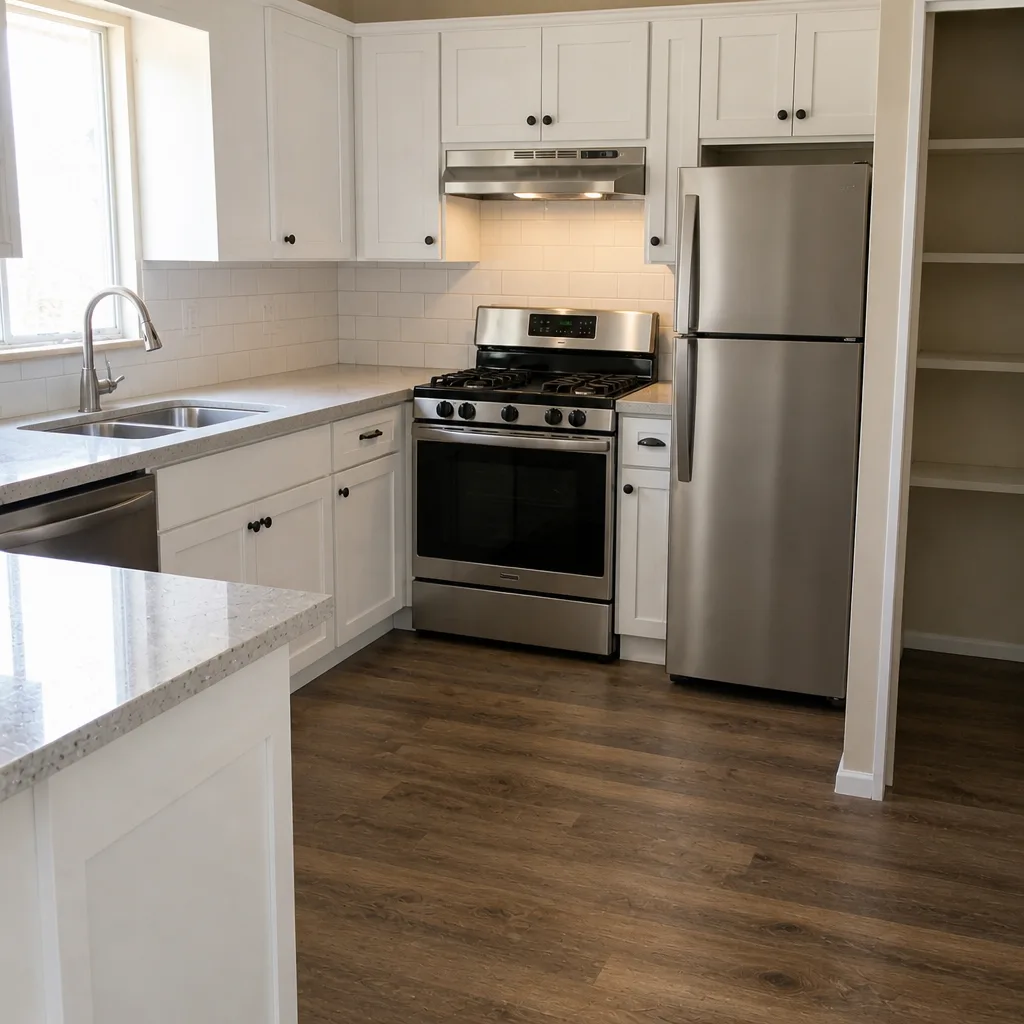
See the difference
 Before
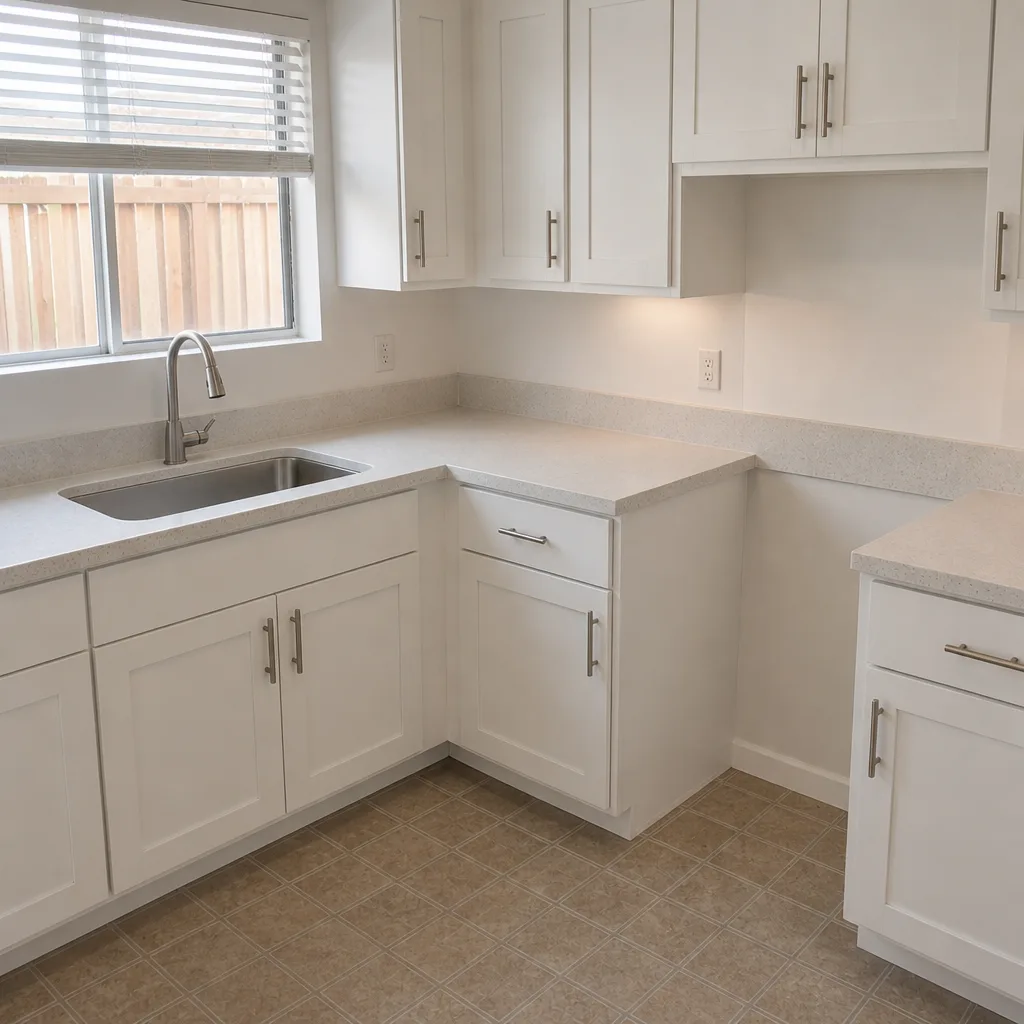 After
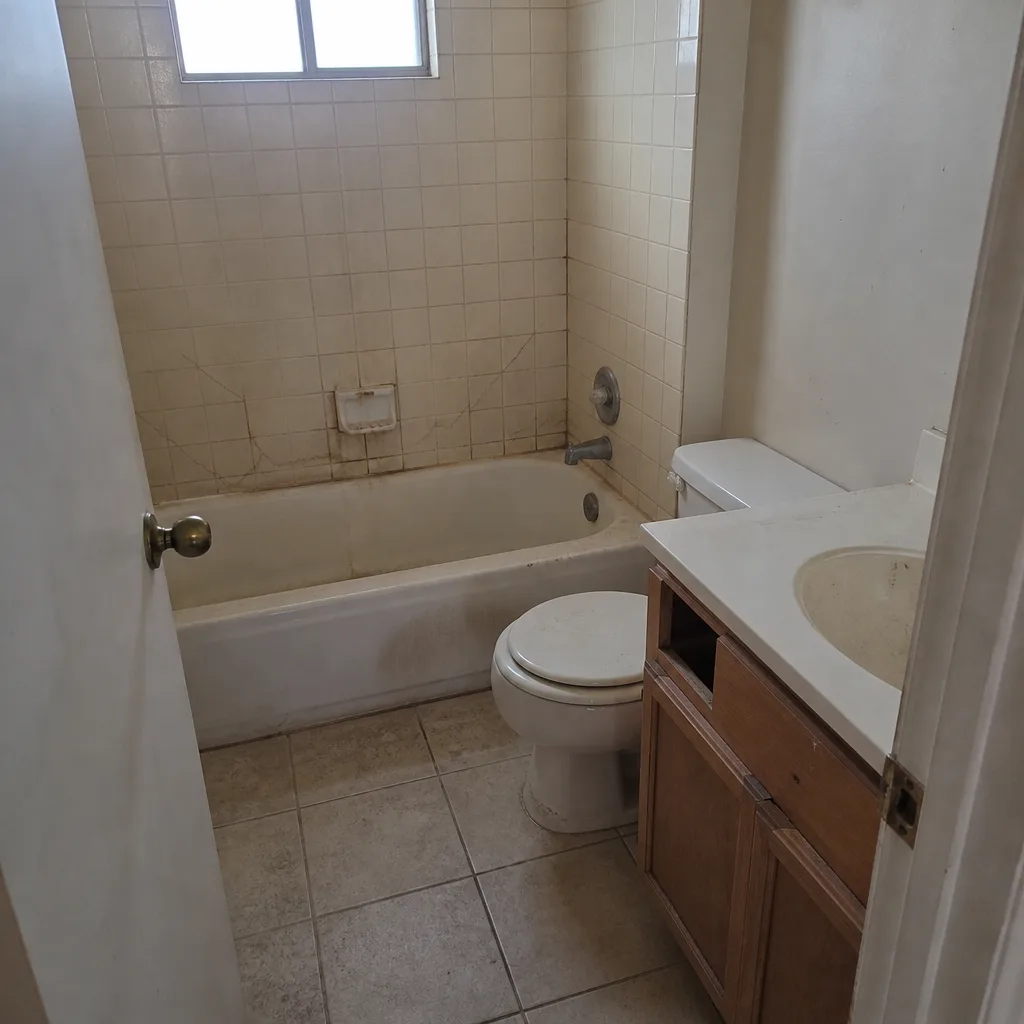 Before
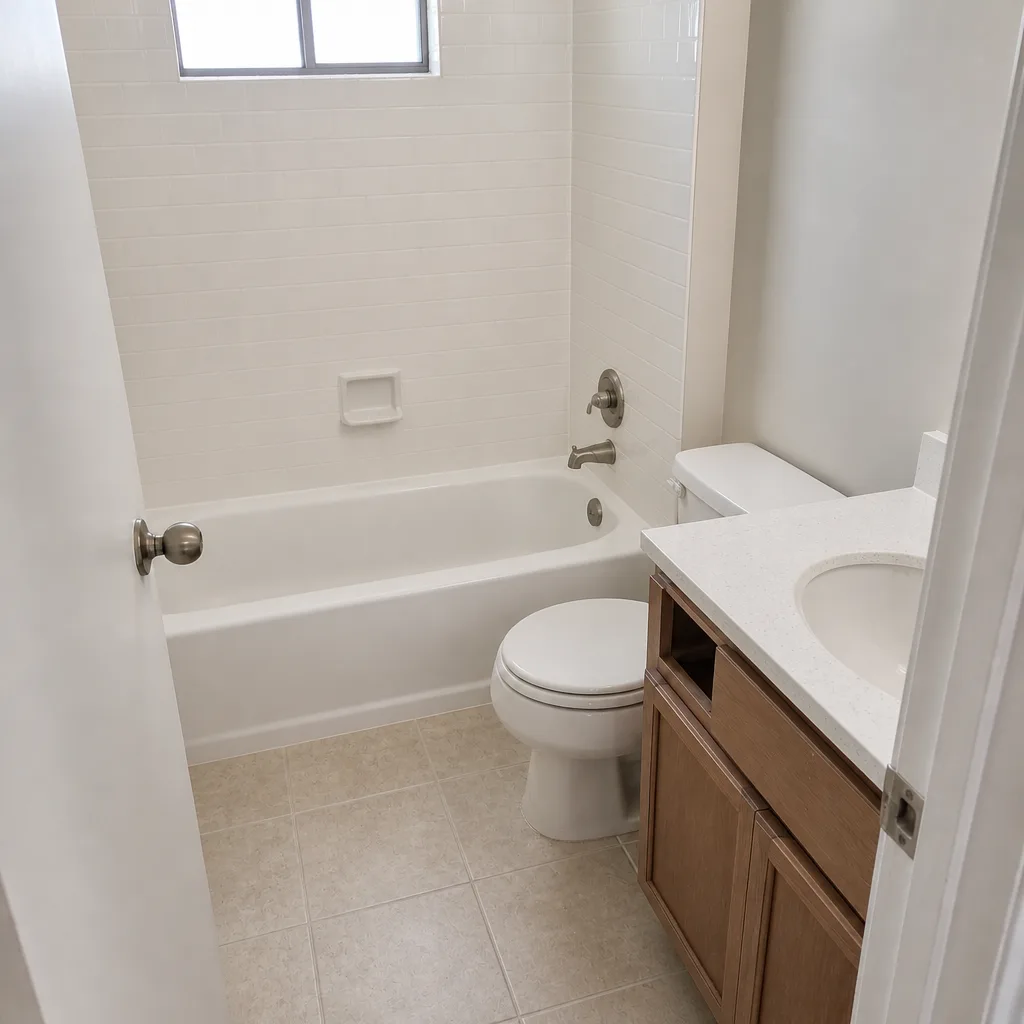 After
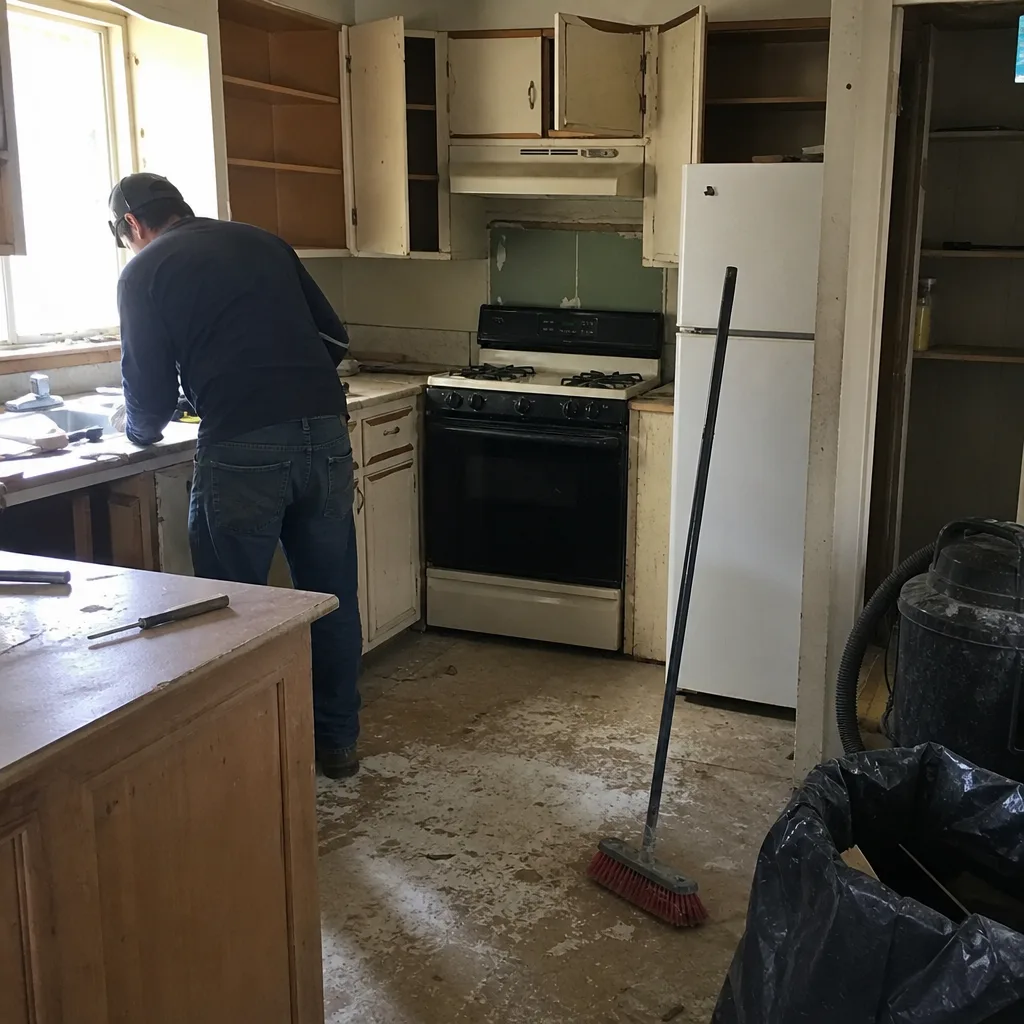 Before
 After
When to Call a Professional
Most of this calendar is homeowner-friendly, but some repairs are worth handing off. Call a pro if a post is leaning more than a couple of inches, if any wood post base is soft to the touch (rot that far in means replacement, not more stain), if a CMU expansion joint has opened wide enough that the wall section is shifting, or if a gate frame is racked out of square rather than just loose. Wind-damaged connections and post-setting are structural – a trained crew gets the plumb and the footing right the first time. Rowan Construction Group Henderson offers free estimates in Henderson with a written price and written scope before any work starts. Call (833) 954-5920 to schedule yours.
Frequently Asked Questions
Apply preservative every two years and inspect the post connections and gate hardware twice a year. Ready Seal in Henderson’s UV load typically needs reapplication around every two years, and TWP 1500 Series can stretch to three on vertical surfaces. Between applications, the April and October hardware checks are the highest-value tasks.
Yes. Vinyl doesn’t rot, but Henderson’s UV load breaks down the surface layer over roughly a decade, and the failure shows up as brittleness before it shows as color loss. An annual UV-inhibitor wash and inspection keeps impact resistance intact. Call (833) 954-5920 if you want an annual service plan – estimates are free.
Apply masonry sealer on clean, dry block once a year, ideally in the dry spring window before monsoon humidity arrives. Verify the block is dry and the forecast is clear, since trapping moisture behind sealer does more harm than good. Efflorescence that keeps returning means moisture is getting in somewhere and needs a closer look.
A dry PTFE lubricant. It dries to a thin film that doesn’t attract or hold dust, and in Henderson’s high-particulate conditions it outperforms WD-40 and other wet sprays. Use WD-40 only as a short-term penetrant to free a seized hinge, then follow with dry PTFE.
No. Pressure-washing at high setting drives water behind panels and can crack edges that are already UV-brittle. Use a gentle wash and rinse. Call (833) 954-5920 for an exact maintenance quote – estimates are free.
No. Every Rowan quote is a flat written price with a written scope, and no change proceeds without a signed change order. That’s the discipline that keeps projects within a few percent of the agreed number. We also offer a free second opinion on any competitor’s written estimate.
The Bottom Line
Henderson fences fail on two clocks national guides ignore: the spring wind season that works post connections loose and the monsoon humidity that drives rot and seal failure in a climate people assume is too dry for either. The fix is a four-task calendar – April post check, May preservative, October hardware, November structural inspection – plus annual UV care for vinyl and masonry sealer for CMU block. Get the timing and the products right and a fence holds up for years longer than one left to the elements. Write it down, keep the record, and call Rowan Construction Group Henderson at (833) 954-5920 for a free estimate whenever a task is beyond a homeowner’s reach.
Written by the team at Rowan Construction Group Henderson.