Last updated November 18, 2026


Free written scope consultation - allowances, timeline, and change-order rules on paper before a single trade is scheduled
Driveway & Pavers Maintenance Schedule: What to Do and When
The single most common paver maintenance mistake in the desert Southwest is sealing too early. We’ve walked Henderson driveways where a homeowner applied a Techniseal or SRW Products sealer six or seven days after a resand, before the polymeric sand had fully cured, and the joints turned chalky white within 60 days. Moisture trapped under the film is the culprit, and once it clouds, the only fix is stripping and starting over. This guide lays out a maintenance calendar built around Henderson’s actual climate cycles – the April-to-October UV load, the July-to-September monsoon, and the mild winter window – along with the sealer numbers, pressure washing limits and record-keeping that keep a paver surface alive for decades instead of a handful of years.
Quick Answer
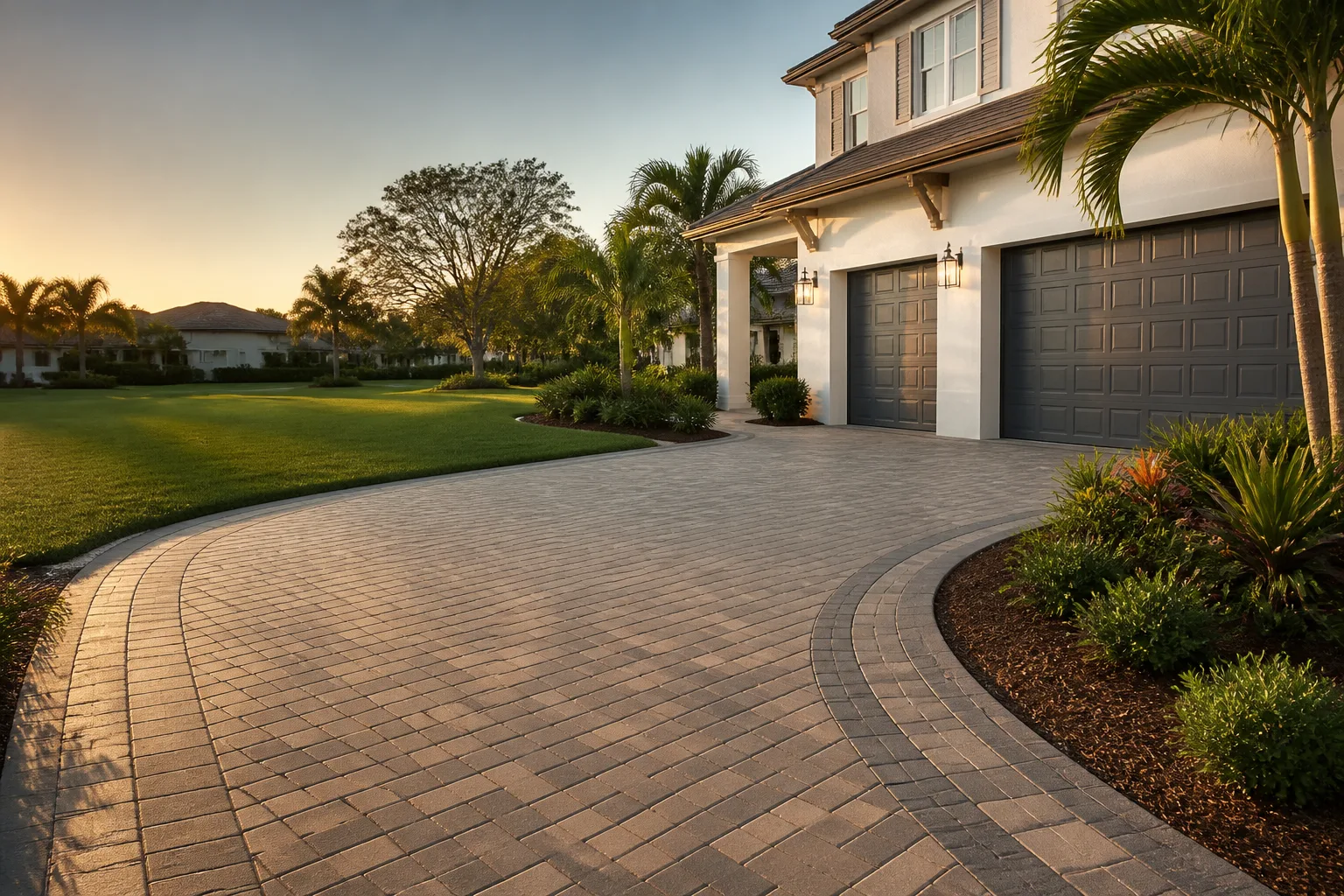
A Henderson paver driveway needs four tasks spread across the year: a pre-monsoon joint inspection in June, a post-monsoon resand evaluation in October, a sealer reapplication window from November through March, and a light mid-season washdown in late spring. Done on that calendar, with annual joint sand top-ups and a proper 1,500-PSI pressure wash ceiling, a correctly built system typically gains an estimated 8 to 12 years of service life. The mistake most homeowners make is a single spring cleaning with no follow-through into monsoon season.
Styles & brands we work with
- Kitchen remodeling
- Bathroom remodeling
- Home additions & ADU
- Roofing
- Windows & doors
- Driveway & pavers
- Fence
Table of Contents
- Why Henderson’s Climate Sets Its Own Paver Calendar
- The Month-by-Month Calendar for Henderson Driveways
- Sealer Product Comparison: Techniseal HP vs. Surebond SB-6300
- How to Spot Polymeric Sand Failure Before Weeds and Ants Move In
- Pressure Washing Parameters for Henderson Pavers
- The Maintenance Log That Protects Your Resale and Insurance Claim
- What You Can Do Yourself and What Needs a Crew
- Common Mistakes to Avoid
- When to Call a Professional
- Frequently Asked Questions
Why Henderson’s Climate Sets Its Own Paver Calendar
Most paver maintenance handouts are written for a four-season climate with a hard freeze and a wet spring. Henderson doesn’t have that weather. What it has is a long stretch of intense ultraviolet exposure from April through October, followed by a monsoon window in July, August and September when short, violent storms dump rain on ground that hasn’t seen moisture in weeks. That combination creates two distinct stressors that a generic calendar ignores.
The first is UV-accelerated joint sand breakdown. Polymeric sand isn’t inert. The binder that locks sand grains together degrades faster under sustained sun and high surface temperatures, and a Henderson driveway in July can hit 140 degrees at the paver face. That accelerates the surface crusting that eventually fails and lets grains wash away. The second is monsoon sand displacement. When a summer storm finally arrives, the runoff volume is high, the soil can’t absorb it fast, and water sheets across the joints, carrying away any sand that’s already loose.
A schedule built for Michigan or the Pacific Northwest doesn’t account for either. What works in Henderson is a calendar that front-loads the joint inspection before monsoon season and puts heavy maintenance in the cool months, when sealer cures evenly and crews can work a full day without melting into the pavers. Our crews work these cycles on every Driveway & Pavers in Henderson project, and the timing matters as much as the material spec.
The Month-by-Month Calendar for Henderson Driveways
Here is the four-task routine we recommend for any paver surface in the area, whether it’s a driveway, a courtyard, a pool deck or a walkway. The dates are working targets, not rules, but the sequence is what protects the investment.
- April – Light seasonal washdown. Knock back winter dust and loose grit with a low-pressure pass and a 25-degree or wider fan tip. Don’t seal in spring. The UV load is about to ramp up and the surface needs to breathe into the summer.
- June – Pre-monsoon joint inspection and top-up. This is the most important visit of the year. Walk every square foot looking for joints where the sand has dropped below the paver chamfer, low spots that pond, and any paver that rocks underfoot. Top up the joints with the same polymeric sand product the drive was originally built with, if you can identify it. If not, use a matched sand from a reputable supplier. Need more on the build itself? See Rowan Construction Group Henderson home for the trades we cover.
- October – Post-monsoon resand evaluation. Monsoon season is over. Inspect every joint and note where sand was displaced. Deep clean with a 1,500-PSI max machine, dry for at least 48 hours, then resand any depleted joints before the cool season.
- November through March – Sealer reapplication window. This is the only period to apply sealer in Henderson. Temperatures stay below 80 degrees on most days, humidity is manageable, and a full 24-hour cure won’t get interrupted by an unseasonal rainstorm. Wait until the resand has fully cured – typically 30 to 60 days – before sealing.
Between those milestones, a light sweep of the drivable surface once a week in summer is enough. The point of the calendar is that each heavy task falls in the season where its labor actually pays off. Skip the June inspection and you enter monsoon season with weak joints, which means October becomes a rebuild instead of a resand. Skip the November sealing window and a fresh resand may not survive the following summer.
Sealer Product Comparison: Techniseal HP vs. Surebond SB-6300
Two sealers cover the vast majority of residential paver work in Henderson, and they do different jobs. Techniseal HP High Gloss gives the wet-look finish that many homeowners on higher-end builds want. Surebond SB-6300 matte leaves a natural, non-reflective surface that’s a better fit if the original paver color was intended to be seen dry. Either one is a legitimate choice. The one that’s wrong for your project is whichever is chosen without the numbers.
- Techniseal HP High Gloss. Coverage runs roughly 200 to 250 square feet per gallon on a first coat, with a second coat typically applied at similar or slightly lower coverage. Reapplication interval in Henderson conditions is two to three years, sometimes less on full-sun driveways. At 2024 Nevada supplier pricing, expect to pay around $170 to $240 per five-gallon pail, or roughly $40 to $55 per single gallon.
- Surebond SB-6300 matte. Coverage is comparable, generally 200 to 250 square feet per gallon, sometimes better on textured pavers. Reapplication interval is similar – two to three years – but the matte finish fails more gracefully in high UV, so the driveway doesn’t show chalky patches mid-cycle. 2024 pricing runs around $150 to $210 per five-gallon pail, or about $38 to $50 per gallon.
Two things cost you money in either case. First, applying sealer with a sprayer at high pressure wastes product and can drive it into joints still curing. Second, sealing a surface that hasn’t fully dried after washing or resanding guarantees the white-haze outcome we opened with. Our background-checked, uniformed technicians apply either product on the November-to-March window with a documented photo record before and after – so if a warranty call ever comes in, there’s evidence of what was applied and when.
How to Spot Polymeric Sand Failure Before Weeds and Ants Move In
Polymeric sand failure is gradual. That’s actually good news, because it means the homeowner who checks on schedule catches it at the resand stage, not the rebuild stage. Here are the visual cues we look for at three checkpoints.
At 6 months. The joints should look tight and consistent. What to watch for: a slight sandy residue on the driveway surface after rain, joints that look chalky at the surface, or water running across rather than into the joints. If you can brush your hand across a joint and see it looked whiter after, that joint has started to lose its binder. Not an emergency, but note it in your log.
At 18 months. In Henderson, this is often when the first real sign shows up on full-sun driveways. Watch for joint depressions of more than a quarter inch, small weeds working up between pavers, and ants starting to move sand around the edges. Ants are a particularly clear indicator because they only colonize joints that have lost structural strength. If you’re seeing them at 18 months, you’re likely seeing early polymeric breakdown.
At 3 years. Any paver that rocks underfoot, joints that have cratered by a half inch or more, and weeds established along a full edge mean the joint system has failed structurally, not cosmetically. At this point the job isn’t a top-up, it’s a strip and full resand. Same work, three times the labor.
The good news: if you catch the failure at 6 months or 18 months, a targeted resand plus a fresh sealer coat in the winter window resets the clock. Same remedy as the preventative calendar, applied a step earlier.
Pressure Washing Parameters for Henderson Pavers
Pressure washing is where do-it-yourself driveways get wrecked. A rental machine with the wrong tip can blow joint sand out in a single pass, and re-sanding a full driveway is expensive. Stick to three numbers and a paver surface will take the cleaning without losing its bedding.
- PSI ceiling: 1,500. Above that, the water stream will start lifting sand out of joints and, on older pavers, etching the surface face.
- Fan tip minimum: 25 degrees. A 15-degree or zero-degree tip concentrates the stream too tightly. Use 25 or 40 degrees.
- Standoff minimum: 12 inches. Keep the wand at least a foot from the paver face. Closer than that and you’re doing damage on every pass, even at the correct pressure.
Work with the slope of the driveway, not against it, and give the surface at least 48 hours to dry before any resand or sealant. On Henderson driveways in particular, avoid pressure washing during the June pre-monsoon week if the joints are already dry and depleted – a hard wash on weakened joints will cost you a full resand rather than a top-up. Wait for the October window unless a specific stain demands earlier attention.
For a surface that’s had a hard life or is showing ponding after storms, washing won’t solve the underlying problem. That’s usually a base or drainage issue, not a surface cleaning issue. Our Fence Installation in Henderson crews see the same pattern on retaining walls and perimeter hardscape – poor drainage causes more damage than sun ever will.
The Maintenance Log That Protects Your Resale and Insurance Claim
Nobody photographs a maintenance visit unless someone tells them to. Then a driveway fails, an insurance adjuster asks for condition history, and there’s nothing to show. The fix is a simple log kept on a phone. Here’s what to record after each maintenance visit.
- Date and task. “June 2026 – pre-monsoon joint inspection and top-up.” One line.
- Product and quantity. Brand name, product name, and how much you used. “Techniseal polymeric sand, three 50-pound bags” is enough.
- Photos, before and after. Three angles minimum: the front edge of the driveway, the highest-traffic zone, and any area that showed a problem. Timestamp on.
- Weather notes. “Applied after 72 hours dry, 68 degrees, no rain in the following 48 hours.” This is what makes a sealer application defensible later.
- Anomalies. Note anything that looked wrong, even if you didn’t fix it. “Joint depression at the garage apron, monitored.” Future-you will remember it. Future buyer won’t.
- Crew and invoice. If a professional did the work, keep the invoice number and the contractor’s name. Written quotes and invoices are the paper trail a buyer’s inspector wants to see.
When you sell a Henderson house in this market, a documented maintenance record is worth actual money at the negotiating table. It’s evidence the hardscape has been looked after, which reads the same way a documented roof age reads. Under our Haven Standard, a documented photo record is included on every visit as a standard deliverable, not an upgrade – so a Rowan-serviced driveway arrives at resale with a condition history attached. If you’re planning a larger hardscape project and want to see where the driveway sits in context, our Home Additions & ADU in Henderson coverage talks through exterior sequencing on full-property projects.
What You Can Do Yourself and What Needs a Crew
Some of this calendar belongs in your own hands and some should be scheduled with someone who does it every week. The split is roughly: cosmetic work yourself, structural or pressure work with a crew.
Weekly sweeping, visual inspection, photographic logging, and hauling one or two bags of polymeric sand for a small joint top-up are all reasonable homeowner tasks. So is the light spring washdown with a properly sized machine and a 25-degree tip – nothing above 1,500 PSI and never closer than a foot.
What we recommend scheduling out is anything involving full resand with a fresh polymeric product, sealer application across the whole driveway, and any pressure wash on joints that are already depleted. Two reasons: the products are expensive to waste, and a sealer miscure in November can cost more to strip than it would have to apply properly. Both of those jobs also generate the photo record that becomes your resale documentation – which is the part homeowners most often skip when they do it themselves.
Common Mistakes to Avoid
- Sealing too soon after resand. Polymeric sand needs 30 to 60 days to fully cure before a sealer goes on. Sealing at day seven traps moisture and clouds joints white within 60 days, and stripping is the only fix.
- Sealing in June or July. Henderson surface temperatures in midsummer hit 140 degrees, which causes the sealer to flash-cure unevenly and leave a patchy, streaky finish. Wait for the November-to-March window.
- Pressure washing above 1,500 PSI. Above that, joint sand blows out and re-sanding becomes a full-driveway project rather than a top-up. Fan tip below 25 degrees has the same effect.
- Skipping the June inspection. Entering monsoon season with weak joints is where most Henderson driveway damage starts. The storm finishes what the UV started.
- Mixing polymeric sand brands mid-driveway. Different products cure differently. A joint done with one brand next to joints done with another is where the first failure shows up. Match the original spec where you can.
- Ignoring ants and small weeds in the first year. Both are early signals of joint failure, not separate pest problems. Treat the joint, not the ant.
- No documentation. A driveway that’s been looked after with no written record reads as a driveway that hasn’t been looked after. The log is what makes the work visible to a future buyer or adjuster. Our Rowan Construction Group Henderson home links to scheduling if you want the routine handled on a standing visit.
When to Call a Professional
Call us if the driveway is showing any structural symptom: pavers that rock underfoot when you walk them, ponding water that sits more than 24 hours after a storm, joint depressions of a half inch or more, or weeds established along a full edge. Those are signs the base has shifted or the joint system has failed, and a top-up won’t fix either. Call us too if you’re heading into a resale and want a documented maintenance record that a buyer’s inspector can read – we can review the existing drive, note its condition, and backfill a history with photos.
Rowan Construction Group Henderson offers free estimates in Henderson. Call (833) 954-5920 to schedule a visit. Every project comes with a flat written price before work starts, a written scope and warranty, and no change proceeds without a signed change order – the discipline that has kept our projects within a few percent of the agreed cost across more than 4,000 jobs. We also offer a Free Second Opinion on any written estimate: bring a competitor’s quote and we’ll review it line by line at no charge.
Frequently Asked Questions
Every two to three years, applied in the November-to-March window. Henderson’s UV load from April through October breaks down sealer films faster than in cooler climates, so three years is the outer edge – many full-sun driveways need the second coat at 24 months. Call (833) 954-5920 for an exact quote on sealing – estimates are free.
October, right after monsoon season ends. The June pre-monsoon visit is for inspection and small top-ups; the October visit is the full resand evaluation once seasonal storms are done moving sand around. If you catch failure at the 6- or 18-month checkpoint, a targeted winter resand resets the joint cycle without a full rebuild.
Not if you stay at or below 1,500 PSI, use a 25-degree or wider fan tip, and keep at least 12 inches between the wand and the paver face. Above any of those numbers, joint sand blows out and you’re into a full resand. We see this most often on rentals and DIY driveways in the area where a weekend rental machine was used above its setting.
The visual cues stack up over time. At 6 months: chalky joints and sandy runoff after rain. At 18 months: joint depressions over a quarter inch, ants moving sand, small weeds. At 3 years: joints cratered a half inch or more and pavers that rock underfoot. Any of the 18-month signals warrant a resand before the following monsoon.
We handle both. The crew that installs a paver driveway in Henderson also services it, which matters when it’s time to match a sand product or a sealer brand to the original spec. Every visit includes a documented photo record as standard, so your maintenance history builds a verifiable condition log over time.
For a typical two-car driveway, expect a range of roughly $600 to $1,200 depending on square footage, whether a strip-and-replace of the sealer is needed, and product choice. Techniseal HP High Gloss runs slightly higher per gallon than Surebond SB-6300, but both sit within that total range on a first-coat application. Call (833) 954-5920 for an exact written quote – it’s delivered before any work starts, and estimates are free.
The Bottom Line
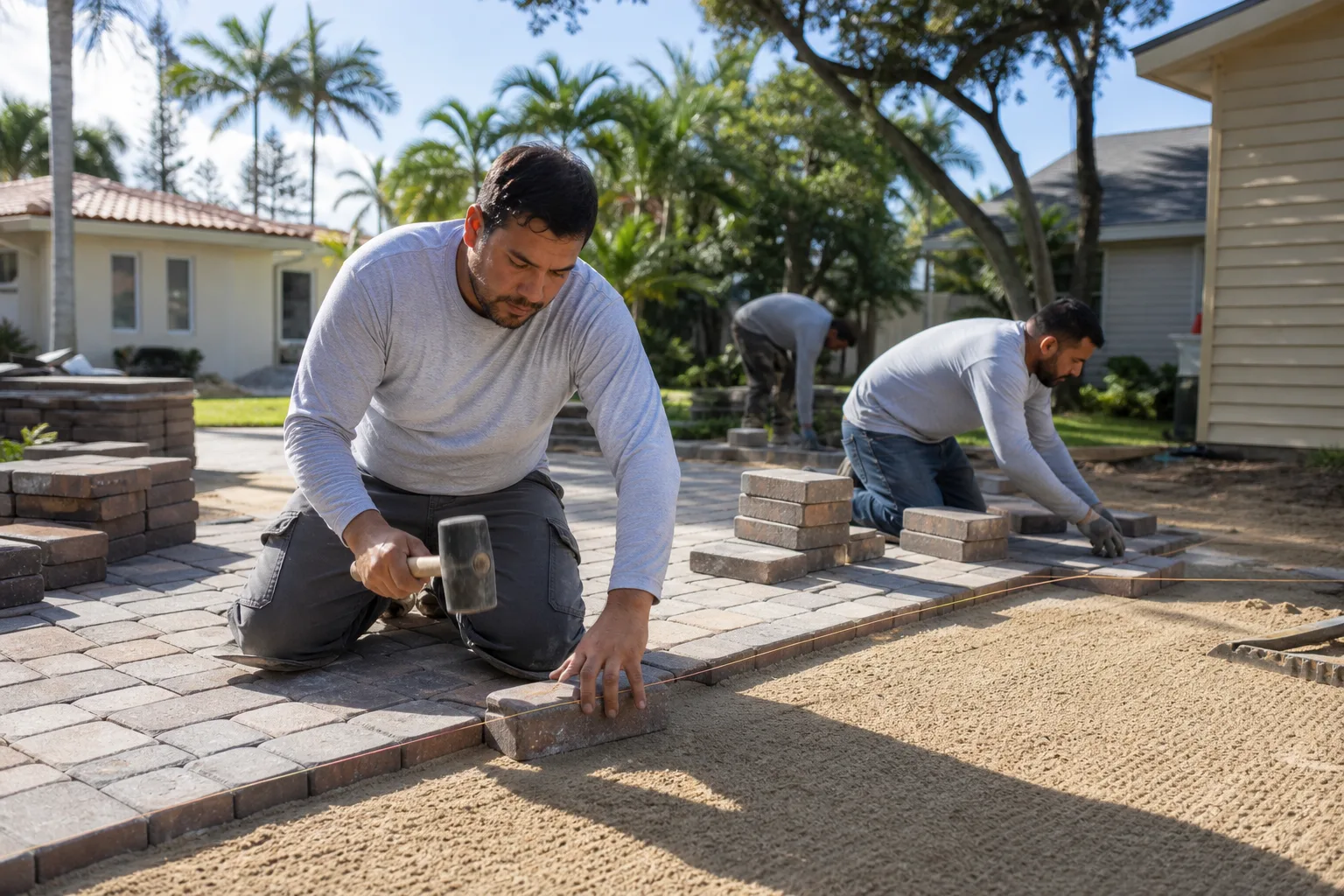
A Henderson paver driveway has a specific maintenance calendar because the local climate does two things at once: bakes the joints from April to October, then tests them with a monsoon in July through September. The four-task routine – June joint inspection, October resand evaluation, November-to-March sealing, spring washdown – is what protects the investment. The most expensive mistakes are sealing too early, pressure washing too aggressively, and skipping the June inspection. Done on schedule, with annual top-ups and a documented log, a properly built paver drive can expect an estimated 8 to 12 years of added service life. The calendar isn’t glamorous. It’s the whole reason the driveway still looks right a decade from now.
Written by the team at Rowan Construction Group Henderson.
See the difference
 Before
 After
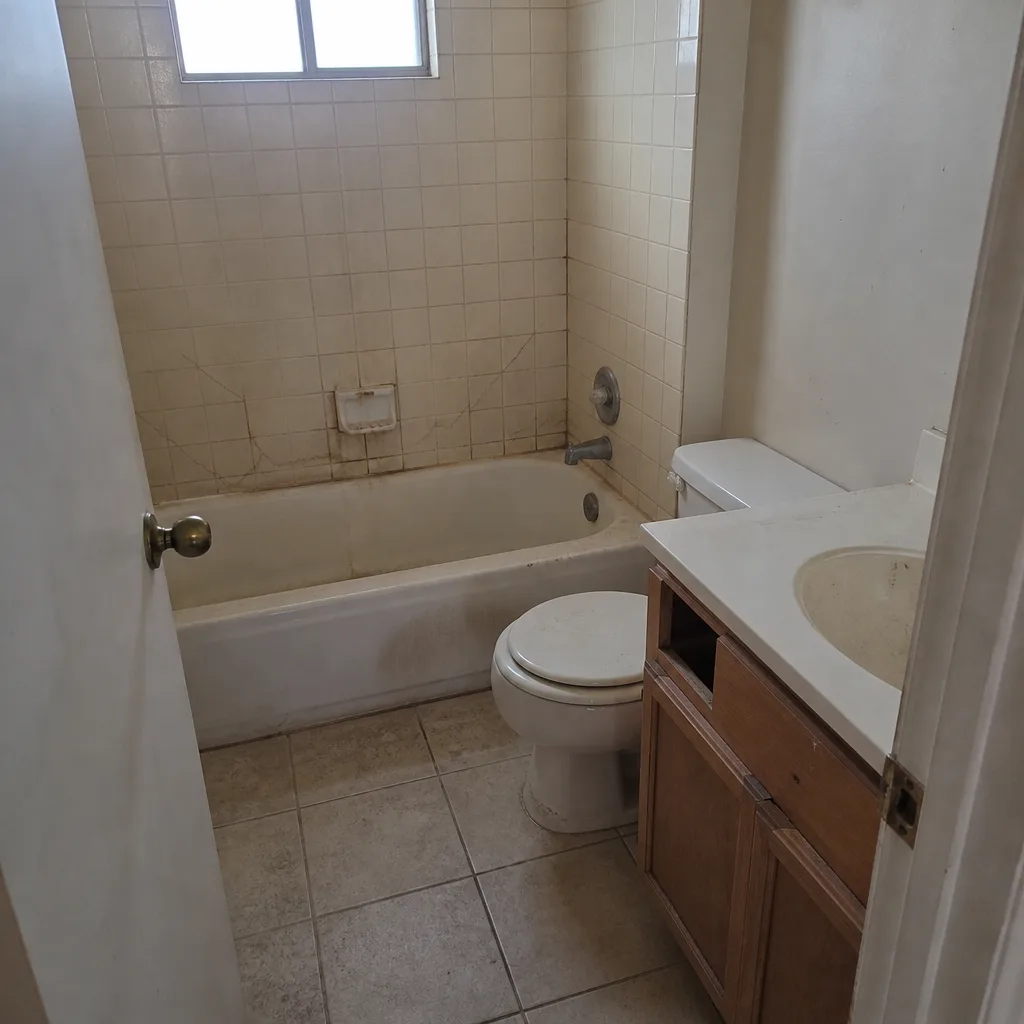 Before
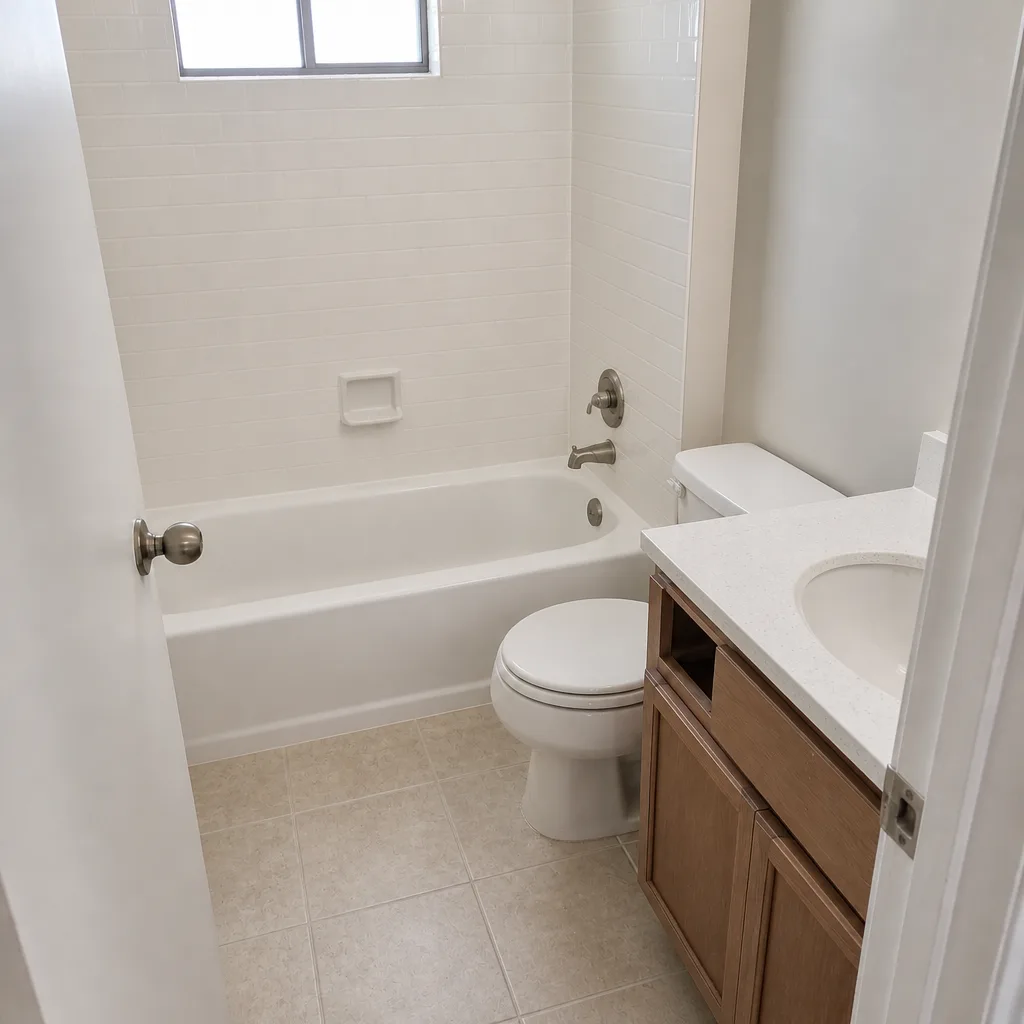 After
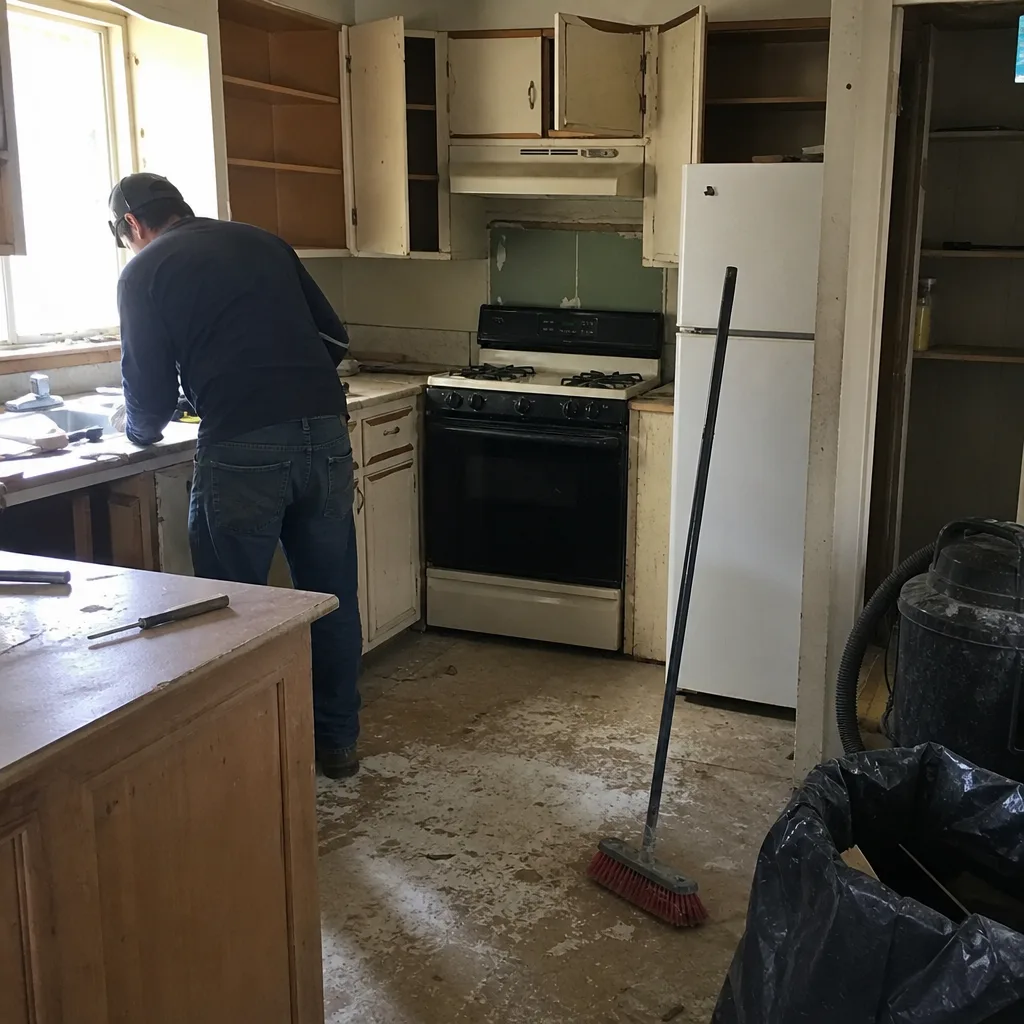 Before
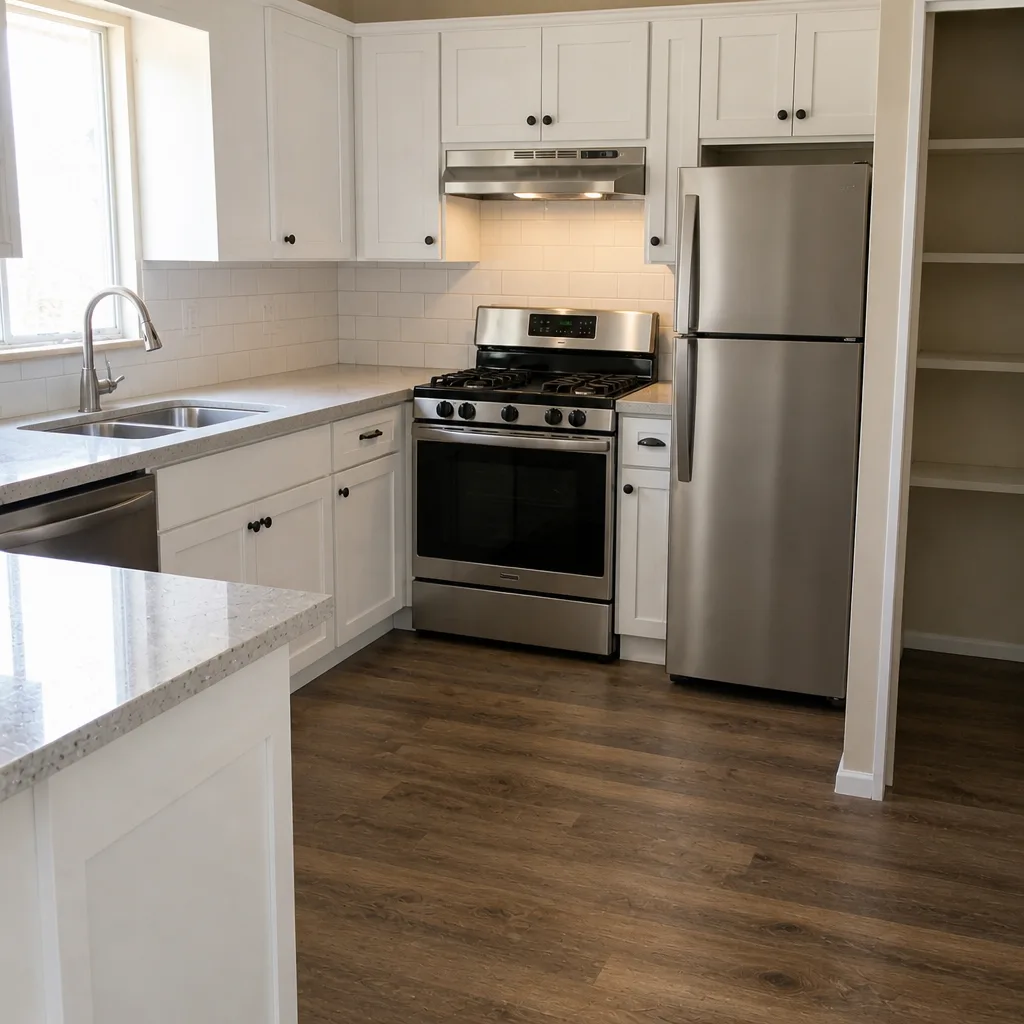 After