Last updated November 18, 2026
Free written scope consultation - allowances, timeline, and change-order rules on paper before a single trade is scheduled
DIY vs Professional Construction: The Henderson Homeowner’s Decision Guide
Nevada’s owner-builder exemption under NRS 624.031 lets a homeowner pull their own permit for work on a home they live in. Most people find that statute while standing in a big-box aisle with a cart full of framing lumber, not before. What the same statute quietly does is put every subcontractor’s work on your shoulders legally, put your homeowner’s policy in an awkward place during construction, and add a disclosure step when you sell. This guide draws that legal line in plain language, then weighs DIY against professional construction with real Henderson numbers.
Quick Answer
In Henderson, DIY makes sense for cosmetic work that needs no permit and touches no structural, electrical, gas, or roofing system. It stops making sense the moment a permit is required, because Nevada’s owner-builder route shifts liability onto you rather than a licensed contractor. For anything structural, electrical, roofing, pool, or HVAC, hiring a licensed professional usually costs less over the life of the home once resale and insurance consequences are counted.
Styles & brands we work with
- Kitchen remodeling
- Bathroom remodeling
- Home additions & ADU
- Roofing
- Windows & doors
- Driveway & pavers
- Fence
Table of Contents
- What Nevada’s Owner-Builder Statute Actually Allows
- Three Situations Where Even a Skilled Homeowner Shouldn’t DIY
- The True Cost of DIY in Henderson: A $15,000 Patio Worked Example
- Permit Inspection Outcomes in Clark County
- Five Projects Where Professional Execution Pays You Back
- The Hybrid Framework: What You Can Do Alongside a Contractor
- Common Mistakes to Avoid
- When to Call a Professional
What Nevada’s Owner-Builder Statute Actually Allows
NRS 624.031 is the section of Nevada law that exempts a homeowner from contractor licensing when they build or improve a structure on land they own and intend to occupy. In practice, it means the state will issue a building permit to you personally, and you become what’s called the owner-builder: the person legally responsible for the work meeting code.
What the statute permits is narrower than most people assume:
- You may pull permits for work on your primary residence, on land you own.
- You may perform the work yourself, or hire licensed subcontractors to do portions of it.
- You may act as your own general contractor, coordinating those subs and scheduling inspections.
What it prohibits or complicates matters fast. You can’t use the exemption on a home you plan to flip or rent, and Nevada restricts the frequency with which you can claim it on the same property. You also can’t use it to sidestep the licensed trades entirely: a licensed electrician still has to pull the electrical permit in most Clark County jurisdictions, and the same goes for plumbing and gas. The owner-builder exemption covers the general building permit, not the specialized trade permits nested inside it.
Henderson’s building department follows Clark County’s inspection schedule closely, and inspectors don’t grade on a curve for owner-builders. If a rough framing inspection fails, you’re the one rescheduling, and the delay is yours.
Three Situations Where Even a Skilled Homeowner Shouldn’t DIY
Plenty of Henderson homeowners are genuinely capable with tools. That capability doesn’t change the legal and financial picture in three specific scenarios, and these are the ones worth committing to memory.
- When you plan to sell within five years. Nevada’s owner-builder disclosure requirements mean you’ll likely have to disclose the work and any permits pulled under the exemption when you list. Buyers’ agents read that disclosure carefully, and it can discount your sale price or lengthen time on market. A licensed contractor’s permit record travels with the house as documentation, not as a flag.
- When your homeowner’s insurance is in play. Most standard policies contain language about construction performed by the insured or unlicensed parties. If a fire or water loss traces back to owner-builder work, the claim can be contested. That’s a risk that doesn’t show up until the worst day.
- When the work involves structural, gas, or high-voltage systems. Load-bearing walls, gas line runs, and electrical panel work are the three categories where an error doesn’t announce itself. It waits. A mis-sized beam or a poorly torqued gas fitting can pass a visual walkthrough and fail a year later, and the owner-builder absorbs that cost personally.
There’s a fourth, softer situation worth naming: any project where you’d be learning the trade on the job. That’s a fine approach for a garden bed. It’s a poor one for a roof replacement, where an improperly flashed valley in Henderson’s monsoon months can turn into interior water damage before the next inspection cycle.
The True Cost of DIY in Henderson: A $15,000 Patio Worked Example
Here’s where the DIY-versus-professional conversation usually goes wrong. Homeowners compare a contractor’s bid against retail material prices and conclude they’re saving thousands. The comparison isn’t apples to apples, because a licensed contractor’s material cost is not retail.
Take a 400-square-foot paver patio, a common Henderson backyard project. A contractor’s bid might come in around $15,000 for the finished job: excavation, base, compaction, pavers, edge restraint, and cleanup. Here’s what a homeowner replicating it actually spends:
- Pavers at retail: A contractor buying Belgard or Techo-Bloc through a distributor gets a trade price typically 12-18% below what you’ll pay at a home center. On a $6,000 paver line item, that gap alone is $720-$1,080 you don’t see in the bid.
- Base material and delivery minimums: Crushed aggregate and bedding sand are cheap by the ton but expensive by the delivery. A single pallet delivery of bulk base can run $150-$300 in delivery fees that a contractor amortizes across multiple jobs.
- Tool rental: A plate compactor rents for roughly $80-$120 a day in the Henderson area, a wet saw for $60-$90 a day, and a mini-excavator for $250-$400 a day if you’re not digging by hand. A three-day weekend project can rack up $500-$800 in rental before a single paver is set.
- Waste and error: Cut pavers break, base gets under-compacted and has to be redone, and the first-timer over-orders or under-orders material. Budget 10-15% for waste and rework on a first patio.
Add it up honestly and the DIY patio often lands within $1,500-$2,500 of the professional bid, without the compaction equipment, the warranty, or the documentation. Driveway and paver work in Henderson is a good example of a category where the materials math alone often closes the gap most homeowners expect to find.
Permit Inspection Outcomes in Clark County
Clark County publishes inspection records through its online permit portal, and the pattern is consistent year over year: owner-builder permits fail initial inspections at a noticeably higher rate than licensed contractor permits, particularly on framing, rough electrical, and final inspections. The gap isn’t about intelligence. It’s about repetition, and licensed contractors see the same inspector’s expectations dozens of times a year.
What the failure rate actually costs a homeowner is time. A failed rough framing inspection means a re-inspection fee (typically $50-$150), a delay of one to two weeks for rescheduling, and in many cases a correction cycle that stacks. A project that would take six weeks with a contractor can stretch to ten with an owner-builder learning the inspection sequence as they go. In Henderson’s summer heat, that delay on an exterior project has real material consequences: stucco and framing exposed to 110-degree afternoons for an extra month behave differently than they would on schedule.
We’ve also watched owner-builder roof projects stall on the final inspection because the underlayment wasn’t documented to the manufacturer’s spec, which then complicates the shingle warranty. GAF and Owens Corning both require installation to published standards for warranty coverage, and an inspector’s sign-off is not the same as a manufacturer’s.
Five Projects Where Professional Execution Pays You Back
Resale value and insurance standing are where the DIY calculus tips hardest toward professional execution. These five categories have a documented payback that outweighs the savings from doing it yourself:
- Structural additions. An addition or ADU permitted under a licensed contractor carries documented structural engineering and inspection records, which appraisers and buyers read as value. An owner-builder addition often appraises below what it cost because the paperwork doesn’t support the square footage. Home additions and ADUs in Henderson are worth understanding in detail before considering the owner-builder route.
- Electrical panel work. A panel upgrade is one of the most scrutinized items in a home inspection, and an undocumented panel change is a common sticking point in closings. Licensed documentation is essentially a resale asset.
- Roof replacement. Roofing is the single highest-variance item in insurance underwriting. A shingle install that can’t be traced to a licensed installer and manufacturer spec can complicate a claim or a policy renewal.
- Pool construction. Pools involve multiple nested permits (electrical, plumbing, gas, structural), and owner-builder pools are notoriously difficult to sell. A documented pool build is one of the few outdoor improvements that consistently returns at resale.
- HVAC installation. Equipment warranties on systems by major manufacturers are frequently void without a licensed installer’s documentation, and a voided warranty on a several-thousand-dollar system is not a savings.
The Hybrid Framework: What You Can Do Alongside a Contractor
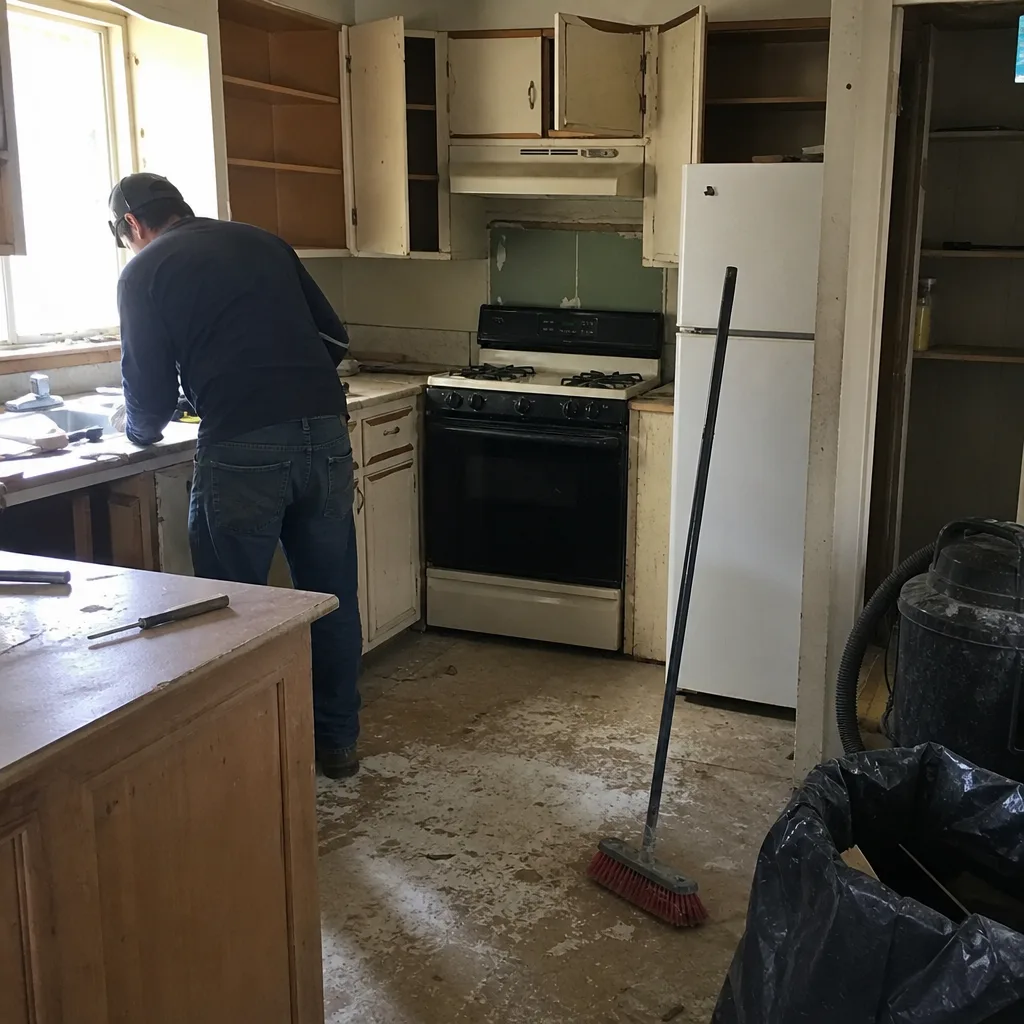
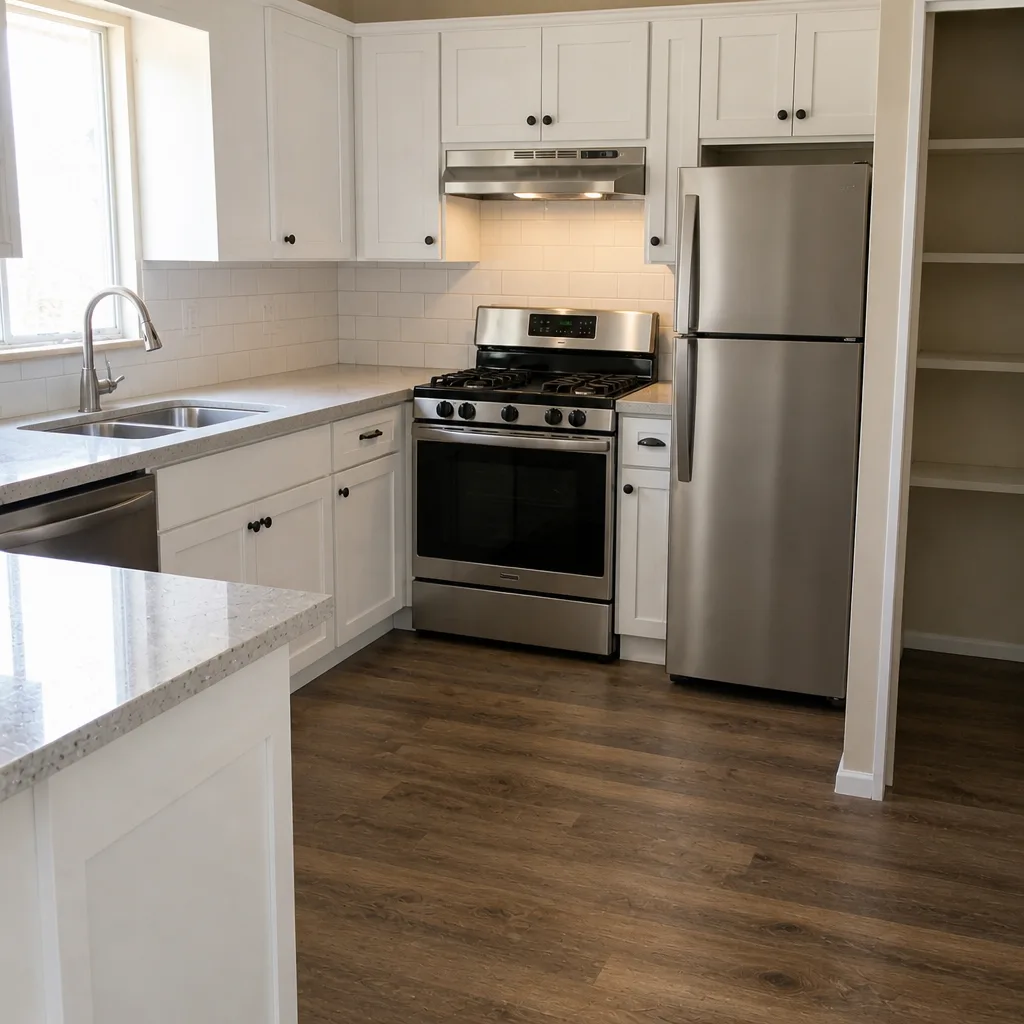
The productive answer to the DIY-versus-professional question is usually neither pure option. It’s a written scope that assigns labor in the right places. A licensed contractor handles the permitted, structural, and warranty-bearing work, and you handle the parts that don’t touch code or coverage.
On a kitchen remodel, for example, the hybrid looks like this:
- Contractor scope: Demolition of load-bearing elements, rough plumbing and electrical, cabinet installation, countertop templating and install, and final inspection coordination. Cabinets from KraftMaid or Wellborn and countertops from Cambria or Caesarstone arrive under a documented, warrantied install.
- Homeowner scope, pre-agreed: Interior painting after final inspection, backsplash tile if you’re comfortable with it, appliance delivery and hookup for plug-in units, and landscaping clean-up post-project.
- What stays off-limits: Anything behind the wall, anything that requires a permit, and anything that would void a material warranty.
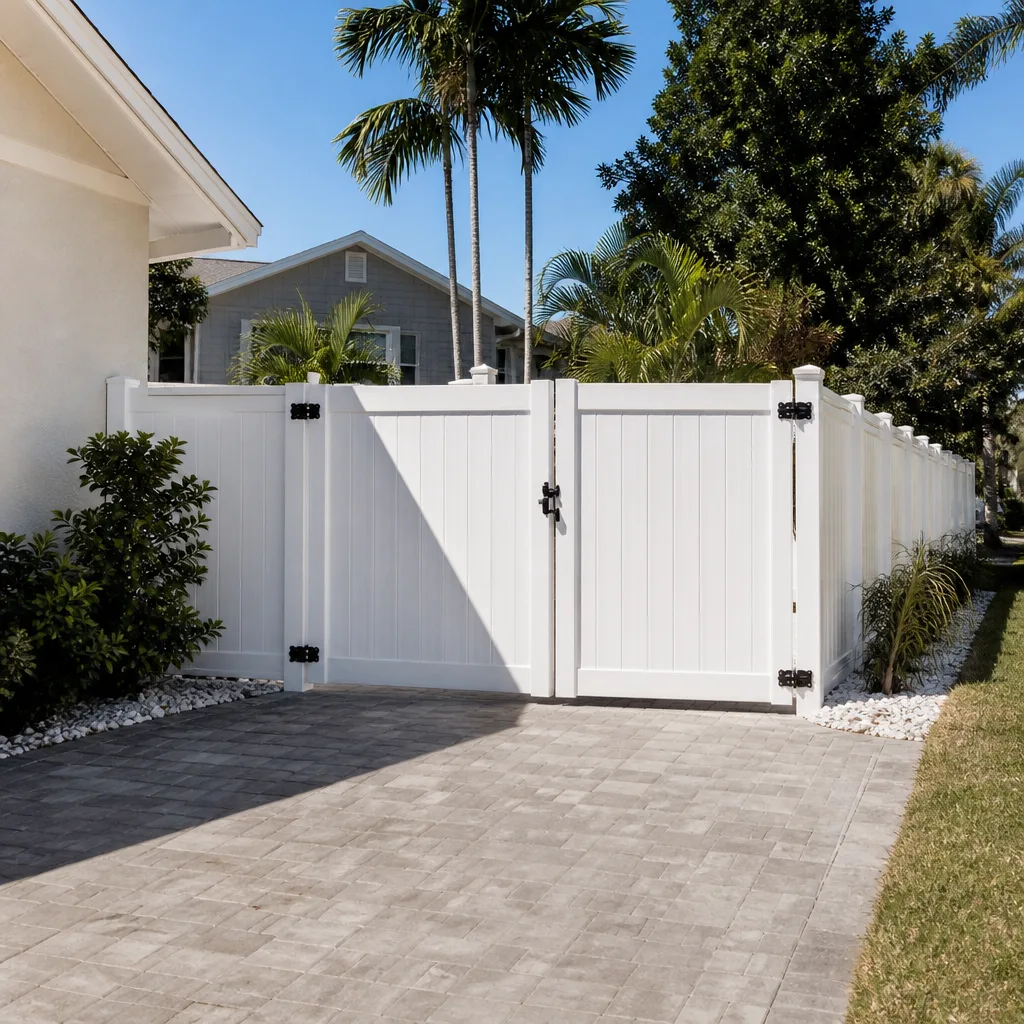
The key is that the split is written into the scope before anyone starts, with the homeowner’s portions documented so no one is surprised at the final walkthrough. On a fence installation in Henderson, the honest hybrid looks similar: the contractor sets posts, panels, and hardware from brands like Barrette or a vinyl system to spec, and the homeowner handles stain, landscaping at the base, and gate hardware adjustments after the fact. Doing the finish work yourself saves real labor hours. Digging the post holes yourself saves nothing and risks the whole fence line.
Windows and doors are a category where the hybrid is genuinely popular: a homeowner sourcing doors from Therma-Tru or a similar line, then having a licensed crew do the install and flashing, is a legitimate division of labor that preserves manufacturer warranty on the install. We’d caution against doing the flashing and rough opening yourself on any window job, because a leak behind a finished wall in Henderson’s heat-and-monsoon cycle doesn’t surface for months.
Common Mistakes to Avoid
- Pulling an owner-builder permit and then hiring unlicensed subs. The permit doesn’t shelter you from liability for unlicensed subcontractor work, and it does complicate your insurance if something goes wrong. Every sub should be licensed and documented.
- Comparing retail material prices to a contractor’s bid. The contractor’s trade pricing is 12-18% below retail in most categories, which shifts the real savings on any DIY project meaningfully. Do the comparison against trade pricing, not a home center receipt.
- Under-estimating tool rental on a weekend project. A compactor, wet saw, and excavator rental over three days can run $500-$800 in the Henderson area. That’s often the exact amount a homeowner thought they were saving.
- Starting without checking whether the work needs a permit. Even minor electrical and plumbing additions in Henderson trigger permits more often than homeowners expect. Calling the building department before buying materials is free and saves real money.
- Assuming inspections are a formality. Clark County inspection records show owner-builder initial failures at a higher rate than licensed submissions, and each failure adds one to two weeks to the schedule. Build that into your timeline.
- Doing the roof, the panel, or the pool gas line yourself. These are the three categories where a mistake can be invisible and financially severe, and where resale documentation carries real value. Treat them as non-negotiable.
- Forgetting the manufacturer warranty angle. GAF, Owens Corning, and major HVAC manufacturers write warranty terms around licensed installation. A saved $3,000 on an unlicensed install can void a warranty worth more than the savings.
When to Call a Professional
Call a professional the moment any of these are true: the work needs a permit, touches a load-bearing wall, involves gas or high-voltage electrical, sits under a roof assembly or over a pool, or has to be documented for insurance or resale. Those five triggers cover the vast majority of Henderson projects where the DIY math stops working. The remaining categories (cosmetic updates, finish work, landscaping) are genuinely fair game for a careful homeowner.
For everything that requires a permit or a warranty, a free written estimate is the cheapest next step you can take. Rowan Construction Group Henderson offers free estimates in Henderson and a free second opinion on any written estimate you already have, line by line, at no charge. Call (833) 954-5920 to schedule yours.
Frequently Asked Questions
Yes, for most work beyond cosmetic finishes. Henderson’s building department requires permits for structural changes, electrical work beyond swapping fixtures, plumbing beyond simple fixture replacement, roofing, pools, and any addition. You can pull the permit yourself under Nevada’s owner-builder exemption, but doing so shifts liability onto you for the duration.
Usually not, once trade pricing, tool rental, and rework are counted. A contractor buying pavers, roofing, or cabinets at trade pricing saves 12-18% on materials alone, and tool rental on a three-day project can add $500-$800. On most jobs above $5,000, the real difference between DIY and professional is smaller than the homeowner expects, and it comes with warranty and insurance differences that matter at resale.
It can. Most standard homeowner’s policies contain language about construction performed by the insured or by unlicensed parties, and a claim tracing to owner-builder work may be contested. Nevada also restricts how often you can claim the exemption on the same property, so it’s not a renewable strategy. Confirm with your carrier before you pull a permit yourself.
Owner-builder permits fail initial inspections at a higher rate than licensed contractor permits, especially on framing, rough electrical, and final inspections. The gap is about repetition: an experienced contractor knows what inspectors expect. Each failure adds a re-inspection fee and typically one to two weeks of delay.
Yes, and it’s usually the smartest approach. The hybrid works when the contractor handles permitted, structural, and warranty-bearing work, and you handle finish work, post-inspection painting, and landscaping. The split needs to be written into the scope before work starts so nothing is ambiguous at the walkthrough.
Yes. Rowan delivers a written flat price with a written scope before any work starts, on every trade, and offers a free second opinion on any written estimate you already have. Call (833) 954-5920 for a free estimate in Henderson. Our technicians have up to 19 years of experience, and every crew is background-checked and uniformed.
The Bottom Line
The DIY-versus-professional decision in Henderson is really a legal decision dressed as a skills decision. Nevada’s owner-builder exemption exists, and it lets you pull a permit, but it also puts liability, insurance exposure, and resale disclosure squarely on you. The projects where DIY genuinely pays are the ones that need no permit and touch no structural, gas, or high-voltage system. Everything else (roofs, panels, additions, pools, HVAC) is where professional execution returns more than it costs. For anything on that second list, a written estimate is the cheapest first move. Rowan Construction Group Henderson is reachable at (833) 954-5920 for a free estimate. Start with the Rowan Construction Group Henderson home page if you want to see how the seven trades fit together.
Written by the team at Rowan Construction Group Henderson.
See the difference
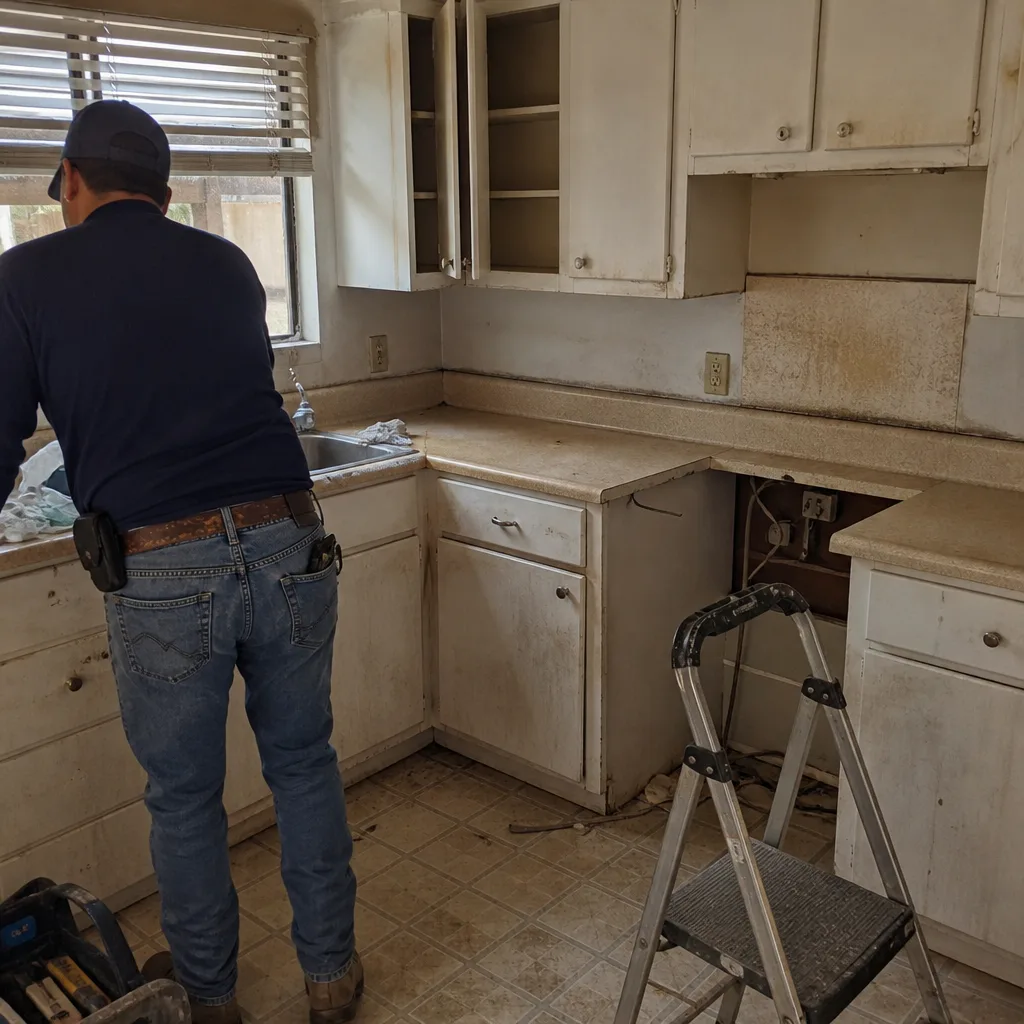 Before
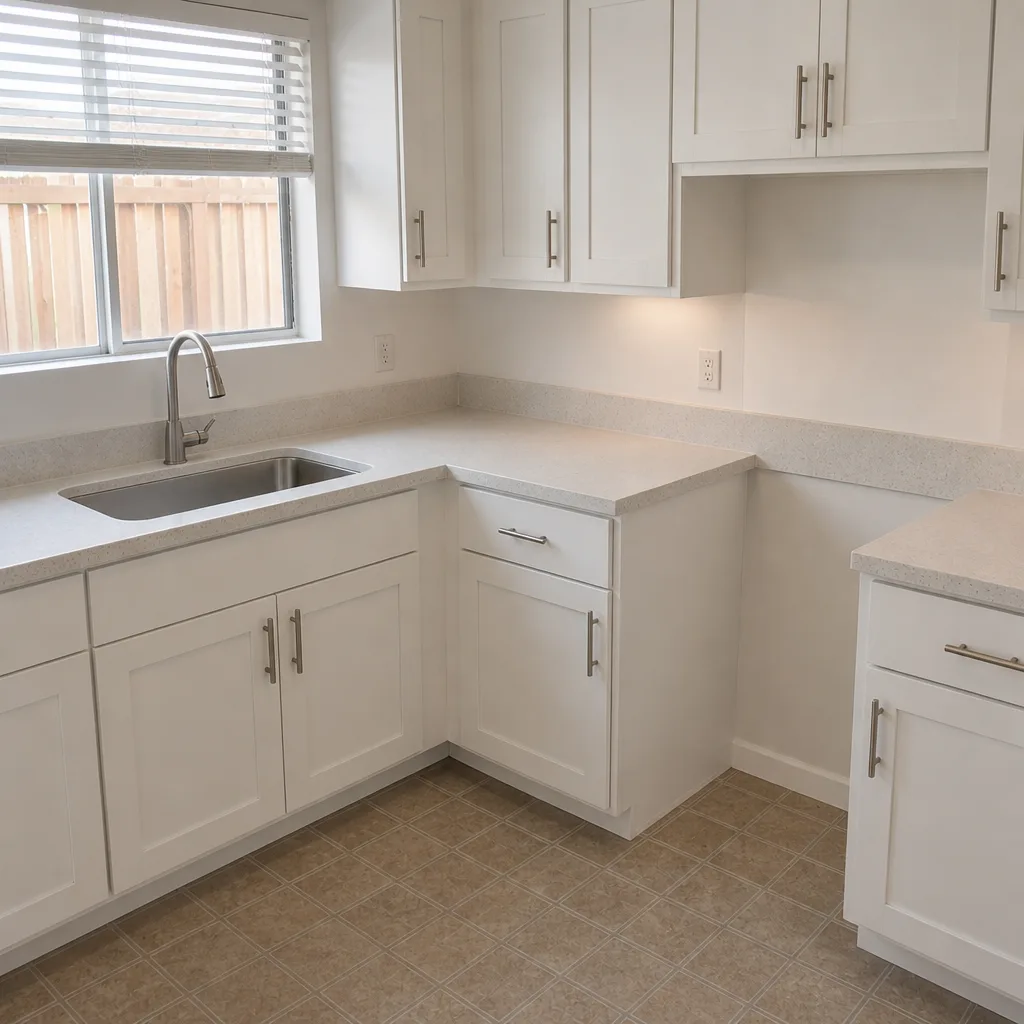 After
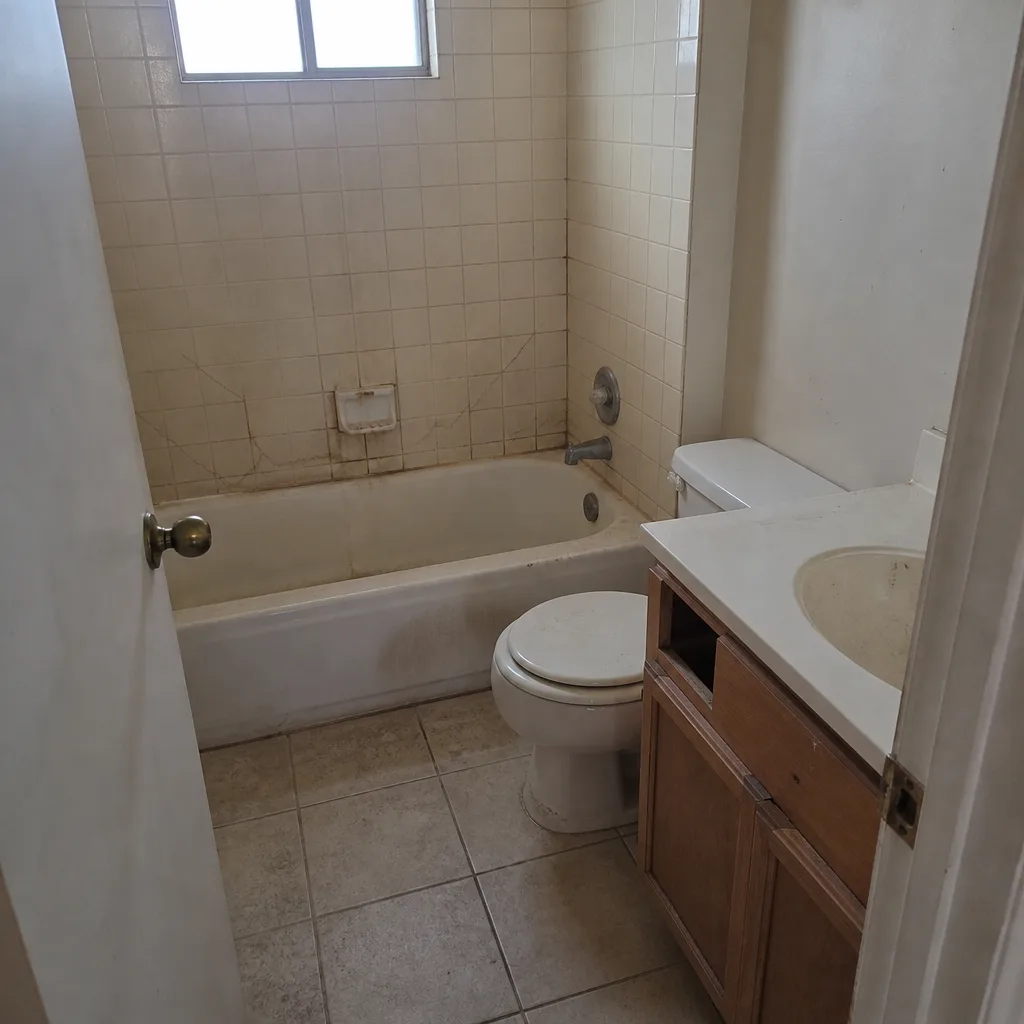 Before
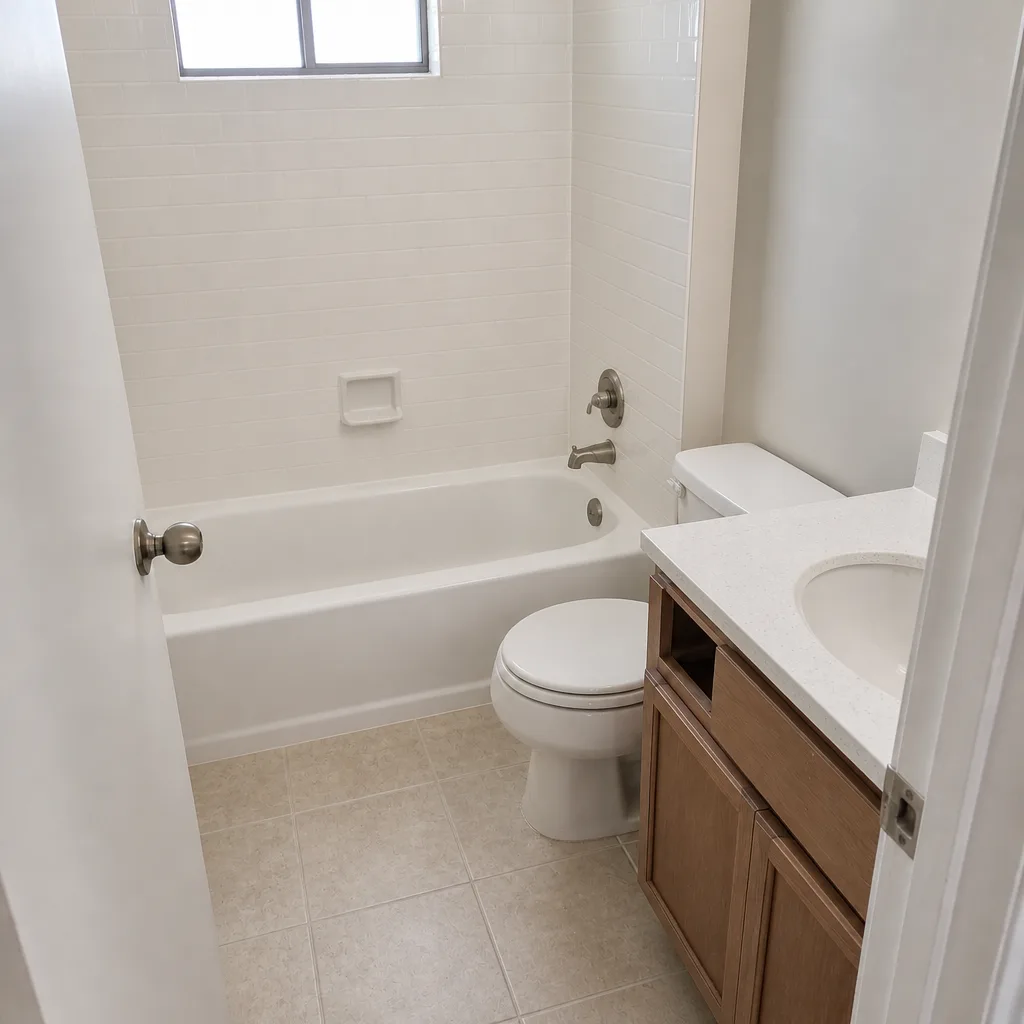 After
 Before
 After