Last updated November 18, 2026
Free written scope consultation - allowances, timeline, and change-order rules on paper before a single trade is scheduled
DIY vs Professional Home Additions & ADU: What’s Safe to Do Yourself
Most homeowners who ask us about DIY additions are focused on the wrong question. They want to know if they can frame a wall or run a circuit. The question that actually decides the project is simpler and harsher: what will Henderson Building and Safety legally accept? Under Nevada law, structural, electrical, plumbing, and gas work on a permitted addition or ADU has to be performed by a licensed contractor and inspected. That isn’t a recommendation. It’s the line between a legal rental unit and a structure a title company may flag when you sell. This guide separates the work you genuinely can do yourself after the licensed rough-in passes from the work that carries real penalties, and we put dollar figures on each.
Quick Answer
On a permitted home addition or ADU in Henderson, foundation, structural framing, electrical, plumbing, mechanical (HVAC), and gas work must be done by a Nevada-licensed contractor and inspected – full stop. Homeowners can legally and practically self-perform finish work after rough-in sign-off: interior painting, non-structural flooring, cabinet installation, landscaping, and fence work. Done yourself, that finish scope typically saves $4,000-$9,000 on a 400 sq ft ADU but can add 4 – 8 weeks to the schedule.
Styles & brands we work with
- Kitchen remodeling
- Bathroom remodeling
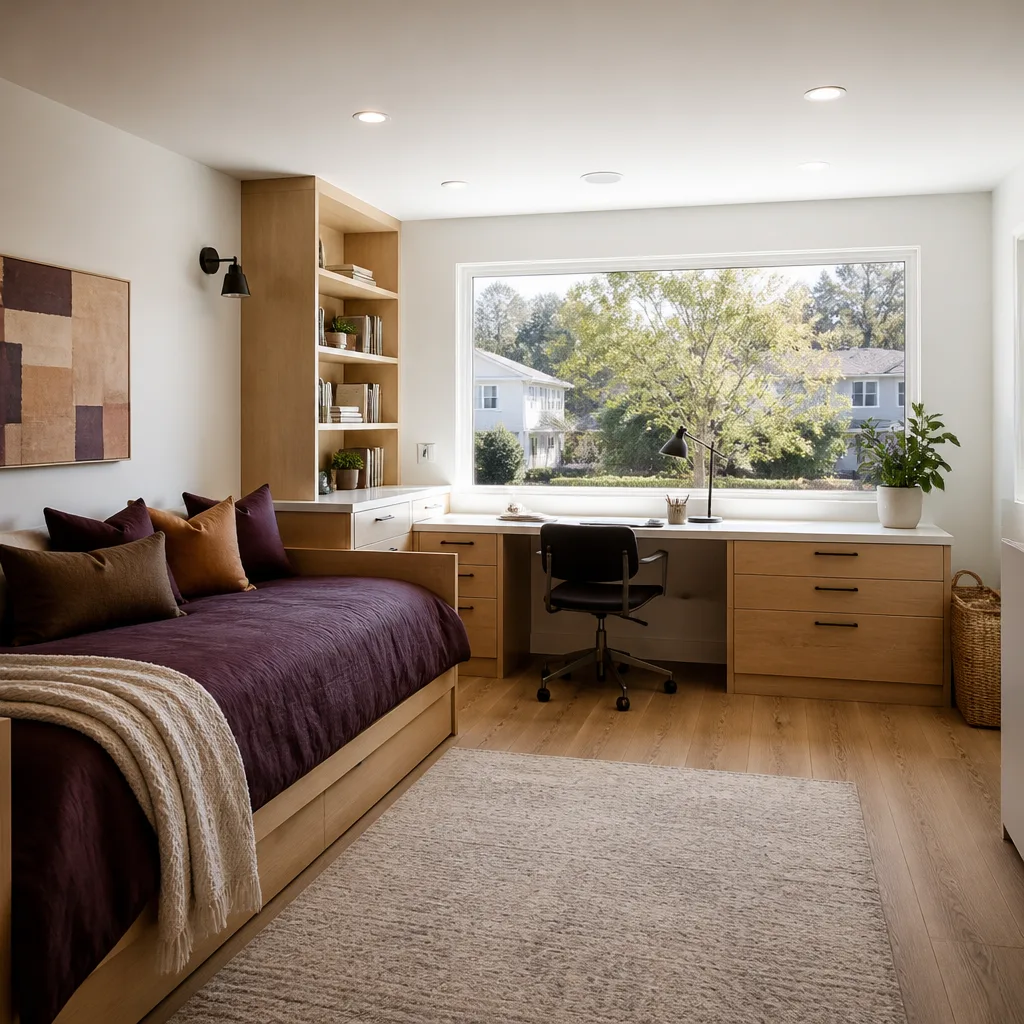
- Home additions & ADU
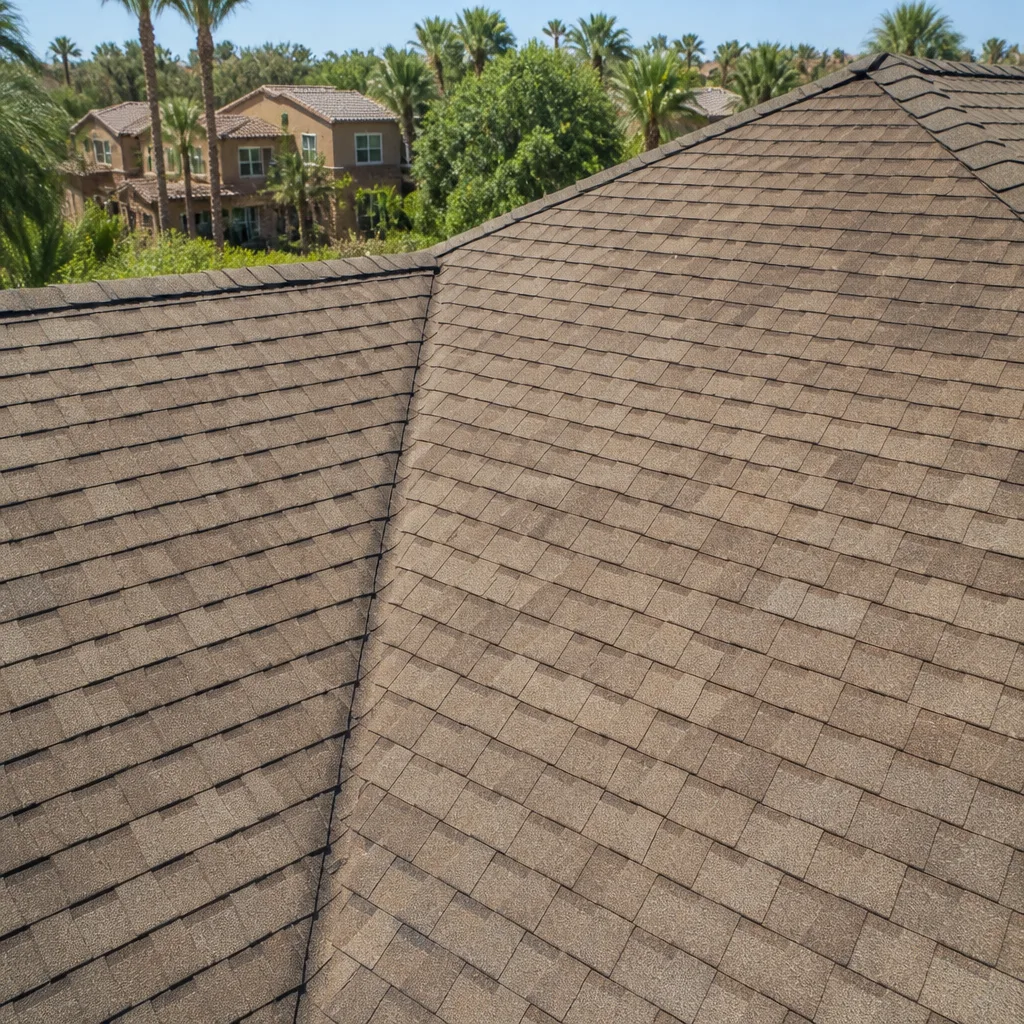
- Roofing
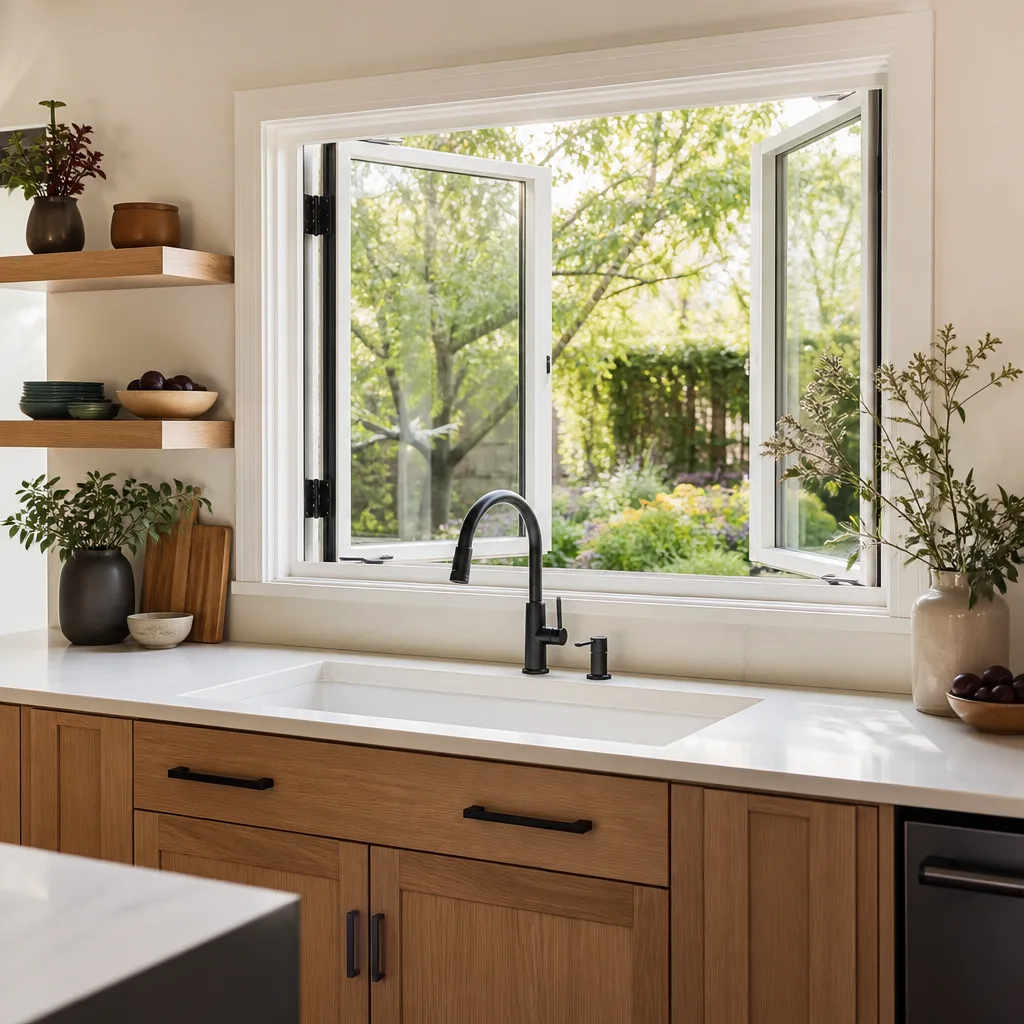
- Windows & doors
- Driveway & pavers
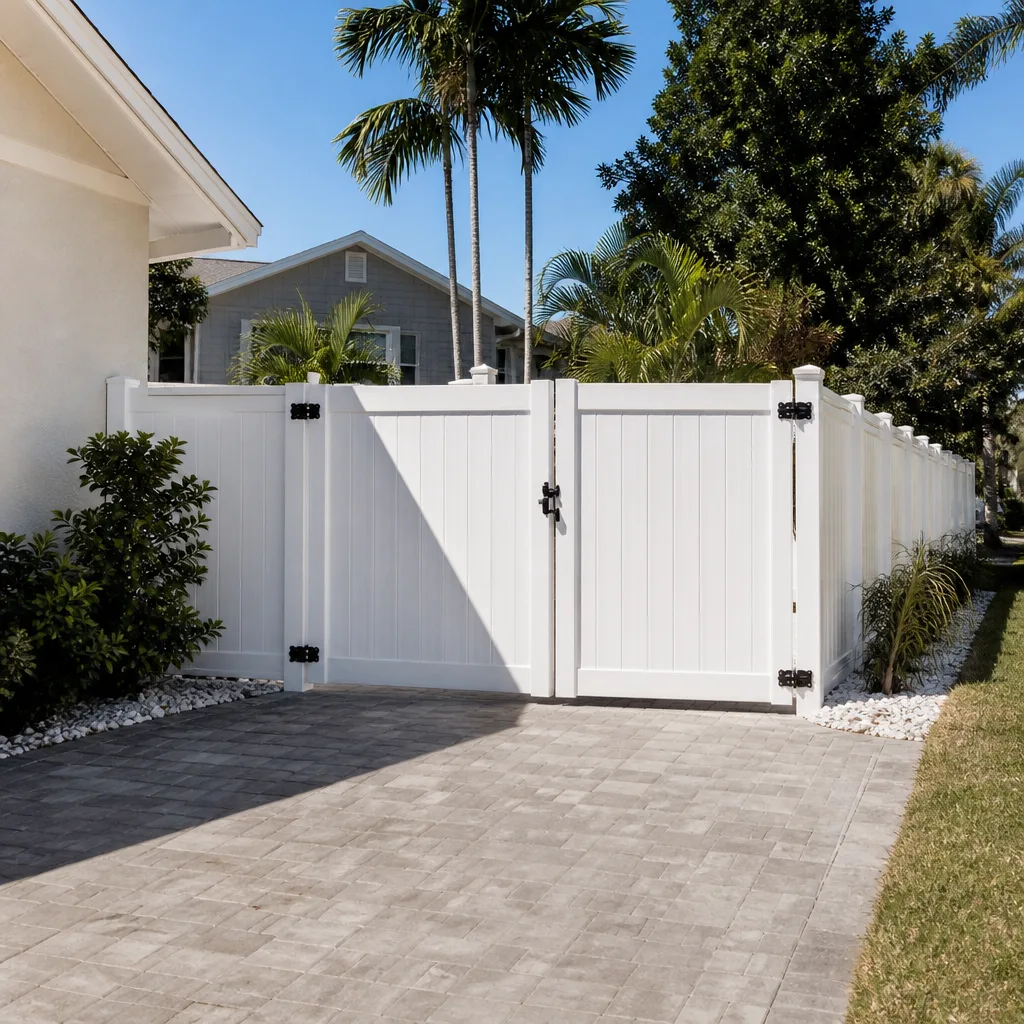
- Fence
Table of Contents
- What Nevada Law Actually Looks At
- Which Scopes Require a Nevada-Licensed Contractor
- Owner-Builder Permits: What They Allow and What They Break
- What You Can Legally Do Yourself
- The Real Dollar Math on DIY Finish Work
- Schedule Risk and the Rental Clock
- The Insurance Gap Most Homeowners Never Hear About
- Henderson Climate, Soils, and Inspection Realities
What Nevada Law Actually Looks At
NRS 624 makes it a misdemeanor to perform construction work valued over $1,000 without a contractor’s license on a property you don’t personally occupy. Read that again, because it’s the sentence most DIY blogs skip. The law doesn’t care how capable you are. It cares whether you’re getting paid, and whether the property is your residence.
There’s a second layer on top of it. Even if you’re building an ADU on your own primary residence and intend to occupy it yourself, you cannot pull electrical, plumbing, or mechanical permits for work you intend to later rent out. So the moment your plan is “build an ADU and rent it,” the owner-builder path narrows significantly. In Henderson, this matters more than in many cities because the ADU rental market along the Green Valley and Inspirada corridors is exactly why most people build them.
A permitted ADU isn’t a shed or a converted garage in the eyes of a building department. It’s a dwelling unit. It gets its own address, its own utility meter, its own inspection sequence, and its own requirements for egress, smoke and carbon monoxide detection, and energy compliance. Every one of those items is inspected, and every one of those inspections requires a licensed professional’s name on the permit.
Which Scopes Require a Nevada-Licensed Contractor
Nevada’s contractor licensing breaks along trade lines rather than a single general license. For an ADU or addition, four license classes cover the permitted scope of work. A general contractor may hold all of them in-house or subcontract each trade to a separately licensed firm – either arrangement is legal, but the license numbers have to be real and verifiable on the Nevada State Contractors Board lookup.
- B-2 General Building Contractor – the license that holds and coordinates the overall permit, encompassing structural, framing, foundation, and the general scope of the addition.
- C-2 Electrical Contractor – service panel work, branch circuits, subpanel installation, and the utility interconnection for a detached ADU.
- C-1 Plumbing Contractor – water supply, drain-waste-vent, gas piping, and the sewer or septic connection.
- C-21 HVAC Contractor – the split system, ductwork, and refrigerant line set for a new conditioned space.
Here’s a detail that catches people. In Henderson, a detached ADU often requires a new electrical service or a subpanel upgrade to the main house, because the existing 200-amp service in older homes near Downtown Henderson and Water Street may not carry an additional dwelling unit with its own HVAC and range. That upgrade alone is C-2 electrical work, permitted and inspected. It cannot be owner-performed even if you’ve watched a hundred videos and own every tool in the aisle.
On top of the four trade licenses, structural work interacts with Henderson’s soils. The expansive clay common across parts of the valley means foundation design and reinforcement must be engineered, not guessed. That’s the domain of the B-2 contractor and their engineer of record, and it’s where the highest risk of failure lives.
Owner-Builder Permits: What They Allow and What They Break
The owner-builder permit exists so a person can improve their own primary residence without hiring a general contractor. That’s its real, legitimate use. It allows the owner of record to pull permits on their own residence for their own occupancy. It does not allow the owner to pull electrical, plumbing, or mechanical permits for a structure they intend to rent.
That last clause is where the trouble begins. If you pull an owner-builder permit, finish the ADU yourself, and then rent it, you’ve effectively built an unpermitted structure in the eyes of a title company, an insurer, and potentially a court. Specific consequences we’ve seen play out:
- Title insurance flags. Some title companies note owner-built structures in the file, which can raise questions or slow a sale years later.
- Resale disclosure. Nevada requires sellers to disclose permitted and unpermitted work. An owner-built ADU used as a rental must be disclosed as such.
- Lender hesitation. A buyer’s lender may refuse to count the ADU as income-generating square footage on the appraisal, killing the sale.
- Liability. If a tenant is injured because of a code defect in owner-performed work, the homeowner owns that exposure personally.
The owner-builder route is legitimate for a homeowner improving their own occupied home. The moment the ADU becomes a rental, the calculus changes and the licensed path is the only clean one. If you’re weighing the two, our Home Additions & ADU in Henderson page walks through the licensed sequence from permit to inspection.
What You Can Legally Do Yourself
After the licensed rough-in passes inspection and the drywall is installed and signed off, a real, defensible window opens for owner-performed finish work. Here’s the list we hand to clients who want to save money the honest way. These tasks are legal for a homeowner to perform on their own residence, don’t require a permit, and won’t invalidate the inspections already passed.
- Interior painting – 60 – 100 labor hours for a 400 sq ft ADU including trim and two coats.
- Non-structural flooring – 30 – 50 hours for LVP, laminate, or engineered hardwood over a finished subfloor; tile typically runs 60 – 90 hours.
- Cabinet installation – 20 – 40 hours for a small kitchen or kitchenette; hanging cabinets is a two-person job and worth enlisting a friend.
- Landscaping and hardscape finishing – mulch, plantings, and finishing borders; paver base prep is best left to a paver crew.
- Fence installation – 20 – 40 hours for a standard side-yard run; material brands like Jerith, Bufftech, and ActiveYards publish spec sheets that make the process straightforward.
For the fence and landscaping piece, our Fence Installation in Henderson page covers the setbacks and HOA quirks in neighborhoods like Anthem and Southern Highlands, and the paver finishing details sit on the Driveway & Pavers in Henderson page if you’re extending hardscape to the ADU entry.
The Real Dollar Math on DIY Finish Work
Here’s the number that actually answers the question. Take a 400 sq ft ADU. A licensed framing and drywall contractor charges roughly $18,000 for the shell – framing, sheathing, drywall hung and finished, primed. That’s the rough-in. Now a motivated homeowner wants to paint and floor it themselves.
Market rate for painting and flooring the same 400 sq ft is around $6,000 – $8,000 installed. Doing the work yourself, you spend $2,000 – $3,500 in materials and 90 – 150 labor hours. The dollar savings land somewhere between $4,000 and $5,500.
Is it worth it? Not on paper if you’re paid hourly and grading the trade-off. Yes if the ADU is a rental and the finish scope is the difference between starting the lease in month five or month seven. The number to put against the $4,500 saved is the two extra months of rental income you didn’t collect while you were painting at night after work. At $1,600/month for the rental, the delay costs $3,200 – which eats most of the savings.
Here’s the honest framing we give clients:
- Owner performs finish work on schedule: net savings $4,000 – $5,500; project timeline extends 4 – 8 weeks.
- Owner performs finish work late: net savings near zero once lost rent is counted; timeline extends 8 – 12 weeks.
- Finish work hired out to licensed trades: contractor dollars higher; rental income starts 4 – 8 weeks sooner.
The line that matters isn’t “can I do this?” It’s “is the delay cheaper than the difference?” For owner-occupied ADUs and additions, doing the finish work yourself is almost always the right call. For rental ADUs on a schedule, it depends on the schedule.
Schedule Risk and the Rental Clock
The 4 – 8 week delay estimate is real, not padding. We’ve watched enough homeowner-finished ADUs to see where the calendar slips. Painting takes longer than the can says. Flooring deliveries slip. Cabinets waiting on a backorder push the whole sequence. And the homeowner is doing this after work and on weekends, at half the pace of a crew.
There’s a schedule risk almost nobody mentions: inspections don’t fail because the licensed work was bad – they fail because the homeowner’s finish work creates inspection conflicts. Nail pops in a freshly painted wall over a slightly rough drywall finish don’t fail an inspection, but a homeowner who installed cabinets without blocking behind them can cause the final inspection to fail when the cabinet needs anchoring for code-required hardware. We’ve seen it happen twice in the same year in Green Valley.
The rule we give clients: owner finish work should follow every rough-in inspection. Not overlap it. Once the electrical, plumbing, and mechanical rough-in inspections are signed off, the finish window opens and the project has a real chance of staying on the calendar.
The Insurance Gap Most Homeowners Never Hear About
Here’s the part of the DIY question that keeps insurers awake at night. A homeowner who performs unlicensed structural, electrical, plumbing, or mechanical work on an ADU later used as a rental may void a portion of their homeowner’s policy – or create an uninsured liability if a tenant is injured by a defect in that work.
Standard homeowner policies typically exclude coverage for damage arising from work performed by an unlicensed individual when that work required a license. There’s no exclusion checkbox at renewal. It just exists in the fine print, and it surfaces when a claim lands. If a tenant trips on a poorly installed floor transition you installed, or is injured by an improperly wired outlet, the insurer can deny the claim on the grounds that the work required a licensed contractor.
The mitigation is straightforward and cheap: get the licensed work documented. Every Rowan project ends with a documented photo record of rough-in conditions and a written warranty on the work. That file is exactly what an insurer wants to see when a claim lands. If you’re doing finish work yourself, photograph the rough-in yourself and keep the file. The documentation matters more than the finish.
Henderson Climate, Soils, and Inspection Realities
Henderson’s building environment has its own fingerprints on an ADU project. The soil is the first one. Expansive clay in parts of the valley interacts badly with shallow foundations, and the design has to account for it. Our engineers specify a reinforced slab and a moisture barrier as standard, and inspections in Henderson expect to see both.
The heat is the second. July and August afternoons routinely top 110°F, and concrete pours are scheduled early morning for cure integrity. Wood framing expands and contracts dramatically across the seasons, which is why drywall finish and paint on an ADU finished in summer can look noticeably different by February. HVAC sizing on a Henderson ADU runs higher than national guidance because cooling load dominates. A 400 sq ft ADU typically lands around a 1.5-ton split system; a national calculator might suggest 1 ton, and homeowners who sized on the national number and installed it themselves end up calling us in July.
The third is which neighborhood you’re building in. Anthem, Southern Highlands, and Inspirada each have their own HOA design-review committees with material and setback requirements no building department will tell you about. Skipping HOA approval is legal but usually results in a stop-work order from the association – which nobody wants at the framing stage. If you want the full picture of the licensed sequence, our Rowan Construction Group Henderson home page is the place to start.
Common Mistakes to Avoid
- Believing “I’ll just do it myself” applies to the panel. The C-2 electrical license is not optional for the service and subpanel work on a detached ADU, even if you’re an electrician in another state.
- Pulling an owner-builder permit for a rental ADU. This is the single most common mistake we see in Henderson, and it surfaces at resale or at a tenant injury claim.
- Sizing HVAC to national guidance. Henderson cooling loads run higher than the national average, and undersized systems cost more to operate and repair than a correctly sized one.
- Assuming the HOA doesn’t matter. Anthem and Inspirada design review committees can stop an ADU at framing if materials and setbacks weren’t pre-approved.
- Skipping the moisture barrier under the slab. Expansive clay plus a desert monsoon season is a moisture problem waiting to happen; the engineer of record will specify it, and inspectors expect it.
- Doing finish work before rough-in inspection. Paint and drywall before the electrical rough-in is signed off means tearing it out if the inspection fails.
- No photo record. Even if you do all the finish work yourself, photograph the rough-in. Insurers and future buyers want the file.
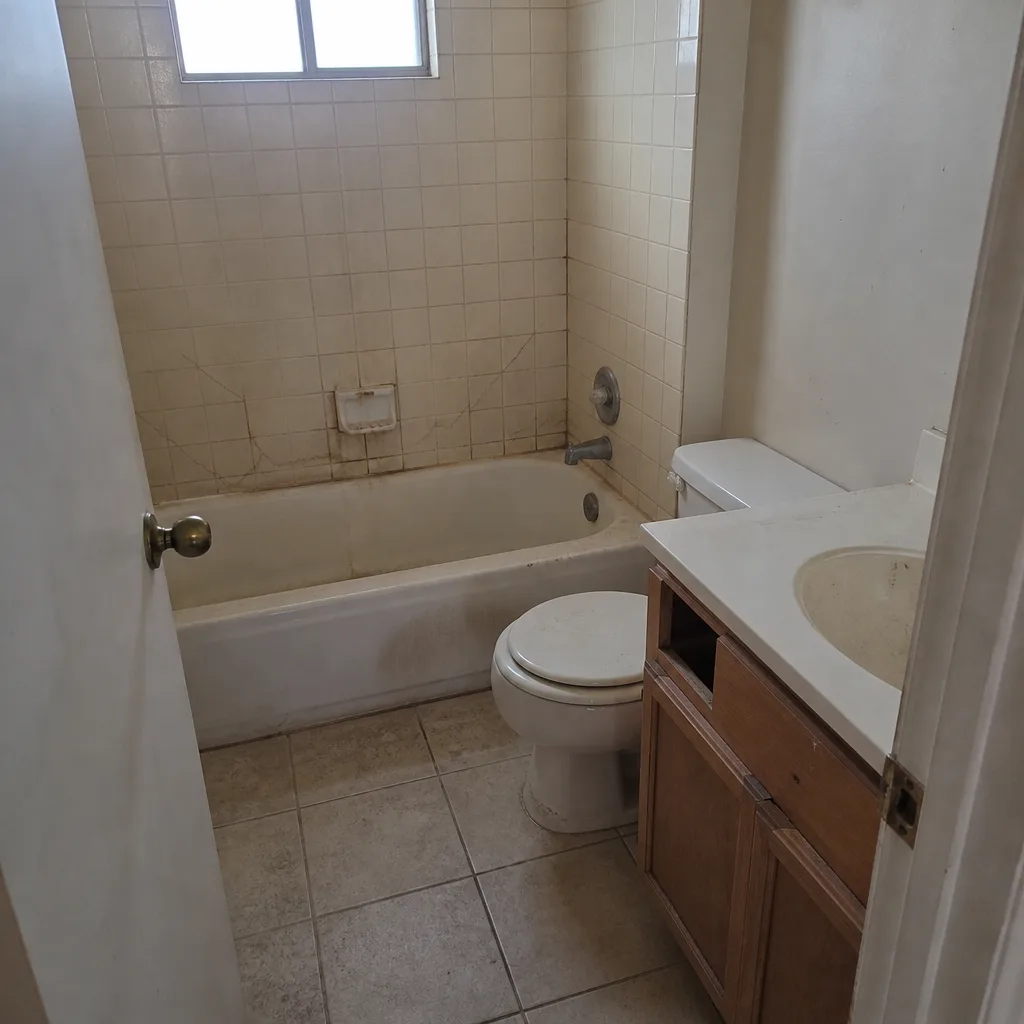
See the difference
 Before
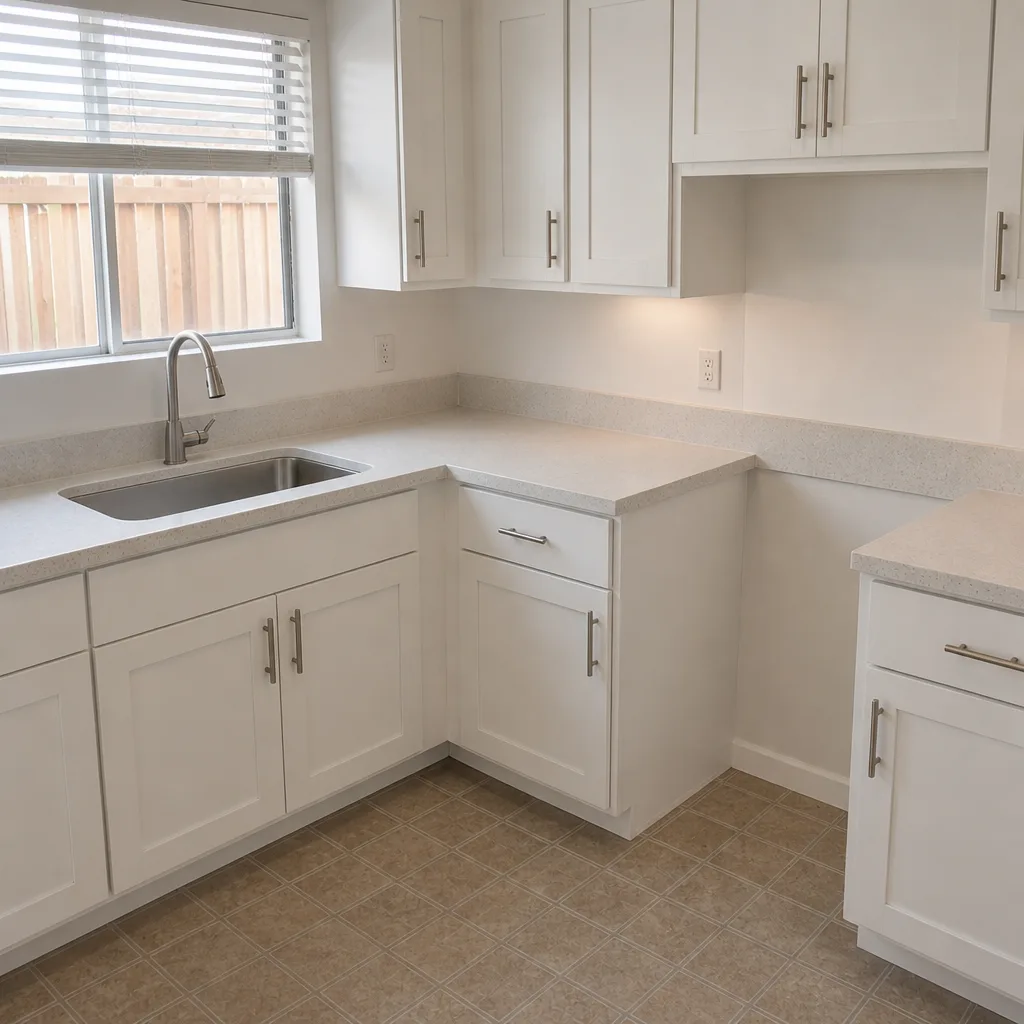 After
 Before
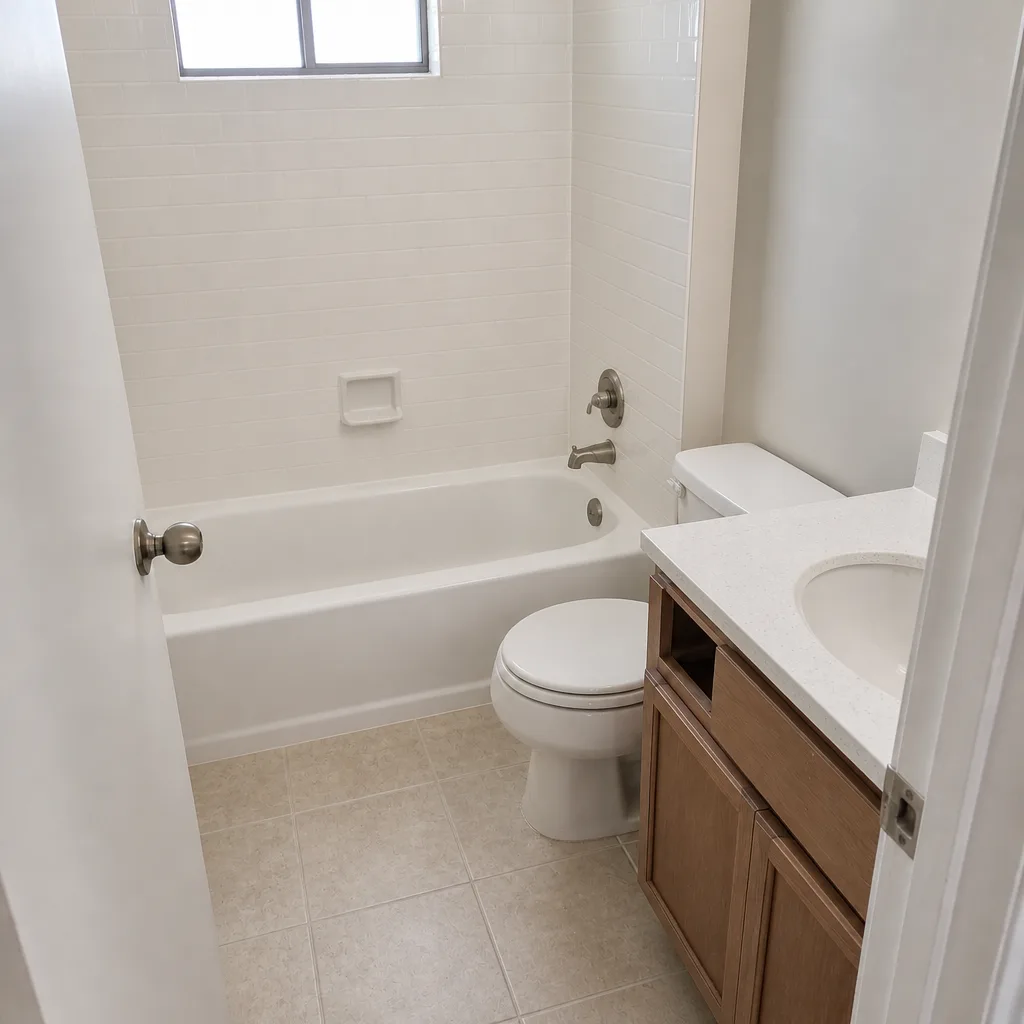 After
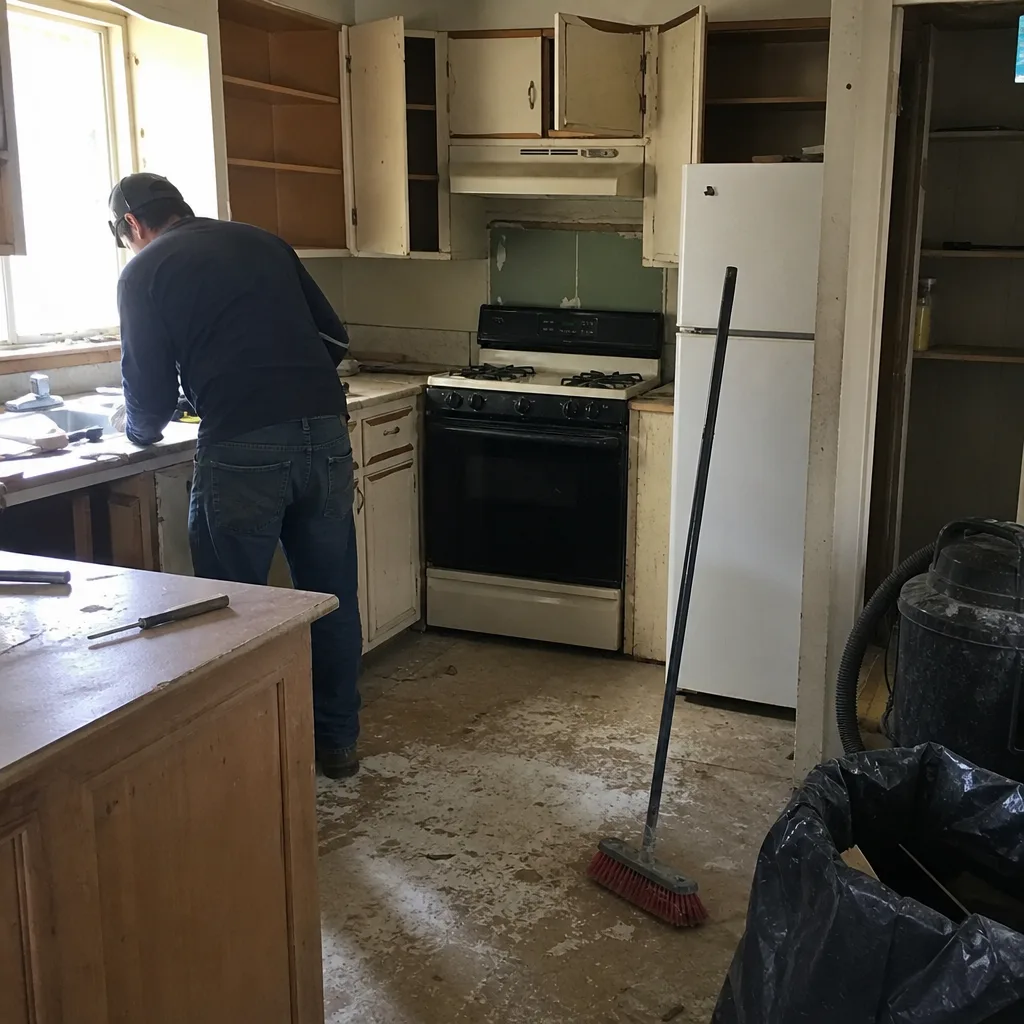 Before
 After
When to Call a Professional
Call a licensed professional the moment the scope touches foundation, structural framing, electrical panel or branch circuits, gas lines, plumbing lines, or HVAC. That’s not a judgment about your ability. It’s the legal boundary, and crossing it costs money that dwarfs what you saved. Call for the HOA design review approval, the engineer-of-record foundation design on Henderson’s expansive clay, and the rough-in sequence that must pass before finish work begins. And call for the finish work if the schedule matters more than the savings – a rental ADU collecting $1,600/month two months sooner is worth more than the $4,000 you saved painting at night. Rowan Construction Group Henderson offers free estimates in Henderson – call (833) 954-5920. Every project gets a written price before work starts, and every change order gets signed before a tool moves.
Frequently Asked Questions
Yes. Nevada law allows a homeowner to self-perform finish work on their own primary residence after licensed rough-ins pass inspection – painting, non-structural flooring, cabinet installation, landscaping, and fence work. Structural, electrical, plumbing, mechanical, and gas work require a Nevada-licensed contractor. Call (833) 954-5920 if you want the licensed scope quoted line by line.
An owner-builder permit allows the owner of record to pull permits on their own primary residence for their own occupancy. It does not allow electrical, plumbing, or mechanical permits for work intended for a structure that will be rented, and the structure can be flagged at resale or by an insurer. Call (833) 954-5920 for a free second opinion on any written estimate you’ve received.
On a 400 sq ft ADU, doing your own painting and non-structural flooring saves roughly $4,000 – $5,500 after material costs. The catch is schedule – the work adds 4 – 8 weeks to a typical Henderson ADU timeline, which at $1,600/month in rental income can eat most of the savings. Call (833) 954-5920 for a written price that separates finish work from rough-in.
Possibly not. Most homeowner policies exclude claims arising from unlicensed work on a structure used as a rental if that work required a license. The mitigation is keeping documentation: photo records of rough-in and written warranties from licensed trades. Call (833) 954-5920 for a written scope and documented photo record on every visit.
Often yes. Anthem, Southern Highlands, and Inspirada each have design review committees with material and setback requirements that don’t appear on the building permit. Skipping HOA approval usually results in a stop-work order at framing, which costs weeks. Call (833) 954-5920 for a pre-construction walk of your HOA requirements.
No. Nevada licensing is state-specific, and the electrical permit on a Henderson ADU requires a Nevada-licensed C-2 contractor regardless of out-of-state credentials. Henderson Building and Safety checks the license number against the Nevada State Contractors Board lookup. Call (833) 954-5920 for a free second opinion on any existing estimate.
The Bottom Line
The productive DIY question on an ADU or addition in Henderson isn’t about skill. It’s about the legal line at the foundation, framing, electrical panel, plumbing, and gas line – and the finish scope that’s yours to perform after rough-in passes. Painting, non-structural flooring, cabinet installation, landscaping, and fence work are legal, practical, and save real money. Just run the math against the schedule delay. If the ADU is a rental, a 4 – 8 week slippage costs most of what you saved. Keep the photo record regardless, and pull the HOA approval before framing. The rest is a decision about dollars, not ability.
Written by the team at Rowan Construction Group Henderson.