Last updated November 18, 2026
Free written scope consultation - allowances, timeline, and change-order rules on paper before a single trade is scheduled
DIY vs Professional Driveway & Pavers: What’s Safe to Do Yourself
A homeowner who hand-tamps a 400-square-foot driveway base is putting roughly 800 pounds of compaction force into the ground. A plate compactor puts down 4,500. That gap is the whole story. It explains why DIY paver patios survive for years while DIY paver driveways in Henderson start rocking and settling by the second summer. This guide draws the line at equipment, not confidence. You’ll see exactly which steps a careful homeowner can own, which steps void a paver manufacturer’s warranty without the right machine, and what a 400-square-foot driveway actually costs each way, in dollars. We’ll also cover the Henderson permit threshold that catches most first-time driveway projects off guard.
Quick Answer
Paver selection, pattern layout, edge cutting with a rented saw, and polymeric sand application are all safe for a careful DIYer. Base preparation is not, unless you rent a plate compactor and a laser level and use them correctly. In Henderson, any driveway project over 500 square feet or within 5 feet of a property line also triggers a grading permit, and pulling that permit requires professional documentation most homeowners can’t produce on their own. Below 500 square feet and outside the setback, a DIY patio or walkway is realistic. A full driveway generally isn’t.
Styles & brands we work with
- Kitchen remodeling
- Bathroom remodeling
- Home additions & ADU
- Roofing
- Windows & doors
- Driveway & pavers
- Fence
Table of Contents
- The Equipment Threshold: Why Compaction Decides Everything
- The Rental Math at Three Project Sizes
- What’s Genuinely Safe to Do Yourself
- The Base Prep Steps That Void Manufacturer Warranties
- Henderson Permit Triggers You Need to Know
- DIY vs Professional Cost on a 400 Sq Ft Driveway
- Common Mistakes to Avoid
- When to Call a Professional
The Equipment Threshold: Why Compaction Decides Everything
Compaction is measured in pounds of force delivered per pass. Hand tamping a 4-inch base in 2-inch lifts gets you somewhere near 800 pounds per lift if you’re diligent and the soil is dry. A plate compactor delivers 4,000 to 5,000 pounds per pass, and a vibratory roller goes higher still. That difference compounds. A base compacted at 95% of its maximum dry density will hold a driveway for 20 years. A base compacted at 85% will start to settle within two or three seasons, and once pavers shift, no amount of polymeric sand will fix it.
Henderson’s soil makes this worse than most places. Much of the valley sits on caliche, a calcium carbonate layer that behaves like soft concrete when dry and turns slick when wet. Caliche doesn’t compact the way ordinary soil does. It needs to be broken up, moisture-conditioned, and re-compacted in lifts, and if you skip that, the base moves underneath the pavers regardless of how level your sand screed looked on install day. We’ve seen this play out in neighborhoods from Green Valley to Anthem, where the same paver brands that hold up on a proper base fail on a hand-tamped one.
The equipment list that defines the line:
- Plate compactor (4,000-5,000 lbs force): required for any base over 1 inch thick.
- Laser level or rotary laser: required to check slope, which must fall 1-2% away from the house for drainage.
- Masonry saw or wet saw: required for clean edge cuts against the garage apron and property-line borders.
- Hand tamper: fine for small patio borders, edging, and resetting a single paver. Not fine for a driveway base.
If you don’t have access to the first three items, you don’t have a driveway project. You have a patio project. That’s the threshold, and it doesn’t move based on how careful you are.
The Rental Math at Three Project Sizes
Rental costs in the Henderson and Las Vegas valley run roughly $180 to $240 per day for a plate compactor, $45 per day for a laser level, and $110 to $130 per day for a masonry saw. A full driveway job needs the compactor for multiple days because you’re compacting in lifts, not one pass. Here’s what that looks like against the labor savings:
| Project size | Typical DIY labor savings | Realistic rental days needed | Equipment rental total | Net equipment advantage |
|---|---|---|---|---|
| 150 sq ft (walkway) | $300-$600 | 1 day | $335-$415 | Roughly break-even |
| 400 sq ft (small driveway or large patio) | $800-$1,600 | 2-3 days | $670-$1,245 | $0-$930 in favor of DIY |
| 800 sq ft (full two-car driveway) | $1,600-$3,200 | 4-6 days | $1,340-$2,490 | $0-$1,860 in favor of DIY |
Two things that table doesn’t show. First, rental days are calendar days, not hours of work, so a rain day or a mistake that forces a re-excavation costs you another full-day rental. Second, your own labor hours aren’t free even if they don’t show up on a receipt. A 400-square-foot driveway is realistically 30 to 40 hours of homeowner time across a long weekend or two. At three common sizes, the savings only justify the effort on the larger end, and only if the schedule holds. This is where we see most DIY driveways in Henderson stall out: the homeowner doesn’t finish the base and compaction before a rental deadline, or they give up on renting a second time when the first pass looks uneven. For a look at how a professional install is scoped and priced, see our page on Driveway & Pavers in Henderson.
What’s Genuinely Safe to Do Yourself
Several parts of a paver project are well within reach of a careful homeowner and don’t need specialized equipment. If you take these on and hire out the base and compaction, you’ll save real money without risking the structural part of the job.
- Paver selection. Choose the brand and line yourself. Belgard, Techo-Bloc, and Unilock all publish spec sheets listing compressive strength (typically 8,000+ psi for driveway-rated pavers) and freeze-thaw ratings. Pick a paver rated for vehicular traffic, not a patio paver. Patio pavers fail fast under a car or truck, and Henderson’s summer heat accelerates surface wear on the wrong product.
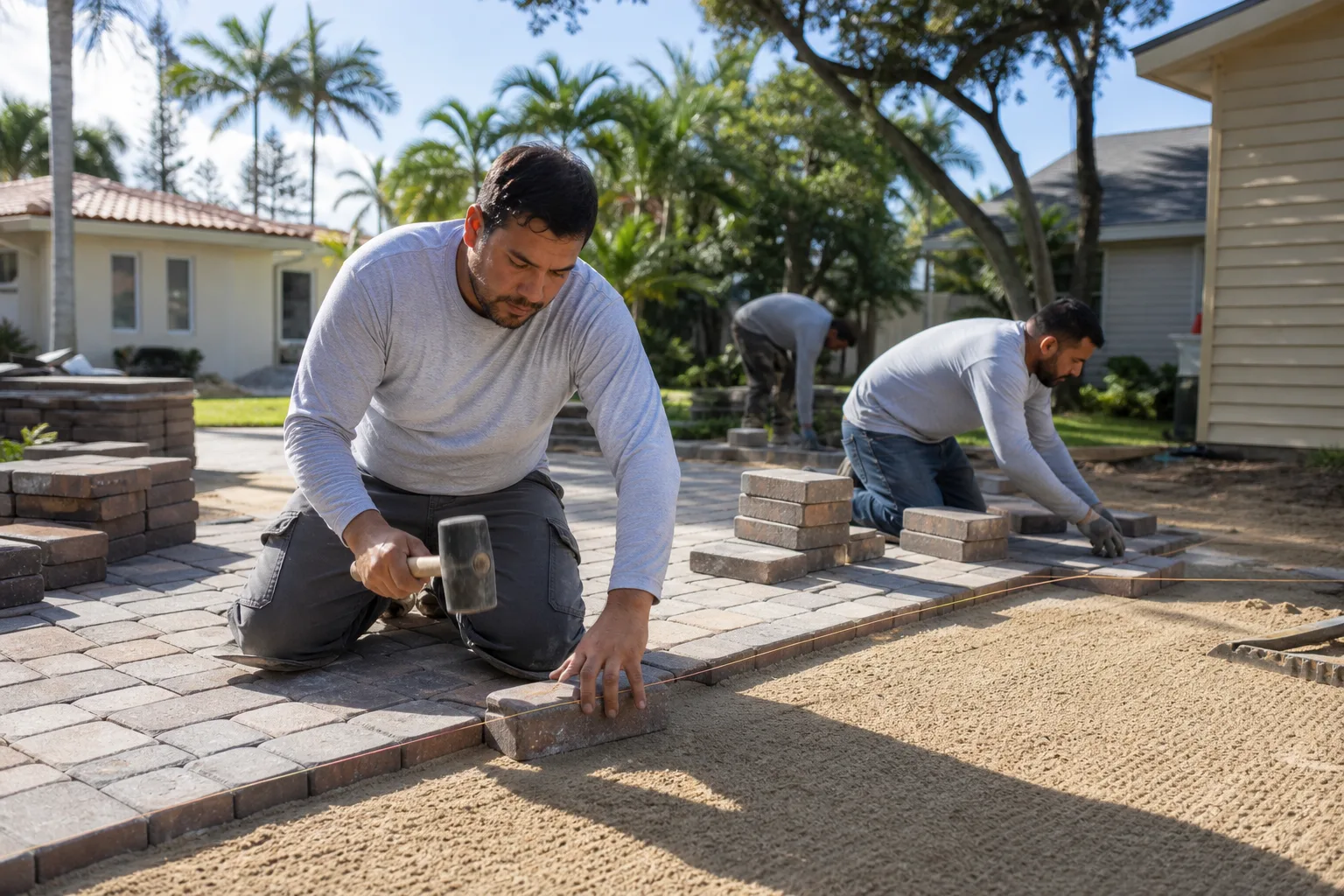
- Pattern layout. Herringbone and running bond distribute load better than a stack bond. Sketch the layout to scale before ordering and add 10% for cuts and breakage. Getting the pattern right on paper is free and it’s the difference between a clean install and visible seams against the garage apron.
- Paver cutting. If you rent the masonry saw, you can handle edge cuts against borders, the house wall, and the apron. Cut outdoor, wear eye protection and a respirator, and do it dry in short bursts with the blade cooled, or use a wet saw with a hose feed.
- Polymeric sand application. After the pavers are set and swept with a layer of bedding sand, polymeric sand fills the joints and locks them together. Sweep it in, vibrate it into the joints with a plate compactor fitted with a urethane mat, mist it to activate, and stay off it for 24 hours. Done right, it holds for years. Done in wet weather or overfilled, it hazes the paver surface.
- Sealing. A penetrating sealer applied after the polymeric sand cures reduces staining and extends the life of the paver surface. Skip it on natural stone, and don’t use a film-forming sealer on any paver rated for traffic.
The tasks that stay off this list are the ones below the sand bed: excavation, grading, sub-base installation, and compaction. Those are where equipment access matters and where a manufacturer’s warranty turns on whether the base was properly prepared.
The Base Prep Steps That Void Manufacturer Warranties
Belgard, Unilock, and EP Henry all publish installation requirements that function as warranty conditions. The one that catches DIY installs is compaction. All three specify a properly compacted base installed in lifts and compacted with mechanical equipment to a stated density. A hand-tamped base can meet the spec on paper and still fail the density test in practice. When a warranty claim is filed, the manufacturer asks for documentation of the base installation, and a hand-tamped driveway usually can’t provide it. The warranty may survive a patio and lapse on a driveway, and it’s a common source of frustration for homeowners who bought premium pavers and assume the product warranty covers settlement.
The base steps that matter, in order:
- Excavate to the correct depth: paver thickness plus bedding sand plus 4 to 6 inches of compacted base, which puts total excavation at 8 to 10 inches for a driveway.
- Break up and moisture-condition the caliche, if present. This step is specific to Henderson and Southern Nevada and is the one most likely to be skipped by a homeowner who bought a house built on graded fill.
- Lay the base aggregate in 2-inch lifts. A 6-inch base goes down in three lifts, each compacted separately. Spreading 6 inches and compacting once delivers about half the density of a properly lifted install.
- Compact each lift with a plate compactor or vibratory roller set to deliver 4,000+ pounds of force. Check density if you’re renting equipment that supports it.
- Check slope with a laser level. A 1-2% fall away from the house is the target. Flat means water pools, which accelerates settlement and turns the base into mud over a wet season.
- Set edge restraints on the perimeter. Without them, a driveway spreads outward under vehicle load and the pavers open up along the edges within a season.
Every one of these steps is documented on our Rowan Construction Group Henderson home page and included in the written scope of a Rowan driveway quote. They’re also why the base is the most expensive line item on a professional install and the least visible once the pavers go down. Under Clause 1 of the Haven Standard, we write the base depth, the compaction method, and the edge restraint into the price before any work starts, so the customer can see what they’re paying for and compare it against a competitor’s quote line by line.
Henderson Permit Triggers You Need to Know
Two triggers matter in Henderson: any paver project over 500 square feet, or any project within 5 feet of a property line, requires a grading permit through the City of Henderson. The permit itself isn’t the difficulty. The documentation is. A grading permit application needs a site plan, a grading plan, drainage calculations, and a description of the finished surface and its slope. That’s professional documentation, and most homeowners who try to assemble it spend more on a civil engineer’s time than they were hoping to save on labor.
The second issue is HOA review. A large share of Henderson neighborhoods, particularly in Green Valley, Anthem, and the Inspirada and Cadence master-planned communities, require architectural approval before a driveway surface change. Approval involves submittal of the paver spec sheet, color, pattern, and layout to the HOA’s architectural review committee. A driveway that’s installed without that approval can be ordered removed, and the cost of redoing it is entirely on the homeowner.
Pull the property’s HOA documents before you order pavers. If the subdivision has an architectural review requirement, budget six to eight weeks for approval and plan the project around it. If the driveway exceeds 500 square feet, budget for the grading permit and the documentation that supports it. Both are routine for a licensed contractor and rarely routine for a homeowner. Our Driveway & Pavers in Henderson page walks through how we handle permits and HOA approval on a typical install.
DIY vs Professional Cost on a 400 Sq Ft Driveway
Here’s a realistic line-by-line on a 400-square-foot concrete paver driveway in Henderson, priced with current valley market figures. The comparison isn’t close on materials. It’s closer than most people expect on total cost.
DIY line items
- Pavers (Belgard or Techo-Bloc, driveway-rated): $5-$9 per sq ft installed material cost, so $2,000-$3,600 for 400 sq ft with 10% waste.
- Base aggregate, bedding sand, polymeric sand: $400-$650.
- Edge restraints and stakes: $90-$150.
- Plate compactor rental, 2-3 days: $360-$720.
- Laser level rental, 1 day: $45.
- Masonry saw rental, 1 day: $110-$130.
- Landscape fabric and hand tools: $60-$100.
- Dumpster for spoil: $350-$500.
DIY materials and rentals total roughly $3,400-$5,900, plus 30-40 hours of your own time. Don’t forget a second rental round if a step gets derailed by weather or a compaction problem discovered mid-job.
Professional installed cost
A professionally installed 400-square-foot concrete paver driveway in Henderson runs roughly $12,000-$18,000, which is $30-$45 per square foot installed. That covers excavation, a properly compacted 6-inch base, edge restraints, bedding sand, pavers, polymeric sand, cutting, cleanup, and haul-off. The labor savings a DIY approach represents is the $2-$4 per sq ft figure most people cite, applied to installation labor only, not to the full install price. That $2-$4 per square foot works out to $800-$1,600 on a 400 sq ft driveway, which the equipment rental alone consumes 40-100% of.
The full picture: on a 400-square-foot driveway, a DIY install saves somewhere between zero and $1,000 net, and gives up the base warranty, the permit documentation, and the documented photo record of what went under the pavers. On a 150-square-foot walkway, DIY saves the full labor amount because the equipment list collapses to a single rental day. That’s the honest answer to the Henderson “worth it” question: it depends on whether the project is driveway-sized or walkway-sized.
Common Mistakes to Avoid
- Skipping the lift-and-compact step. Spreading all the base aggregate at once and compacting the top only gets you roughly half the density of a properly lifted install. It’s the single most common DIY compaction error we see in Henderson driveway calls.
- Buying patio pavers for a driveway. Patio pavers aren’t rated for vehicular traffic. They crack under a pickup’s rear axle and the failure isn’t covered by warranty because the product wasn’t rated for the use.
- Ignoring the caliche layer. Henderson lots sit on caliche over wide areas. If it isn’t broken up and moisture-conditioned before base installation, the base moves underneath and pavers rock within a year.
- Forgetting edge restraints. Without restraints, a driveway spreads laterally under load. The pavers open along all four edges and no amount of polymeric sand will close the gaps.
- Installing over a slab without drainage. A driveway over an existing slab needs a slope and a drain, or water pools against the house and the base turns to mud.
- Installing before HOA approval. A significant number of Henderson communities require architectural review. Removing and redoing a driveway after a compliance letter is the single most expensive DIY mistake in the category.
- Applying polymeric sand in windy or wet conditions. Polymeric sand needs dry pavers and about 24 hours of dry weather after activation. Henderson’s spring wind events will blanket an installation in dust and ruin the joint fill.
See the difference
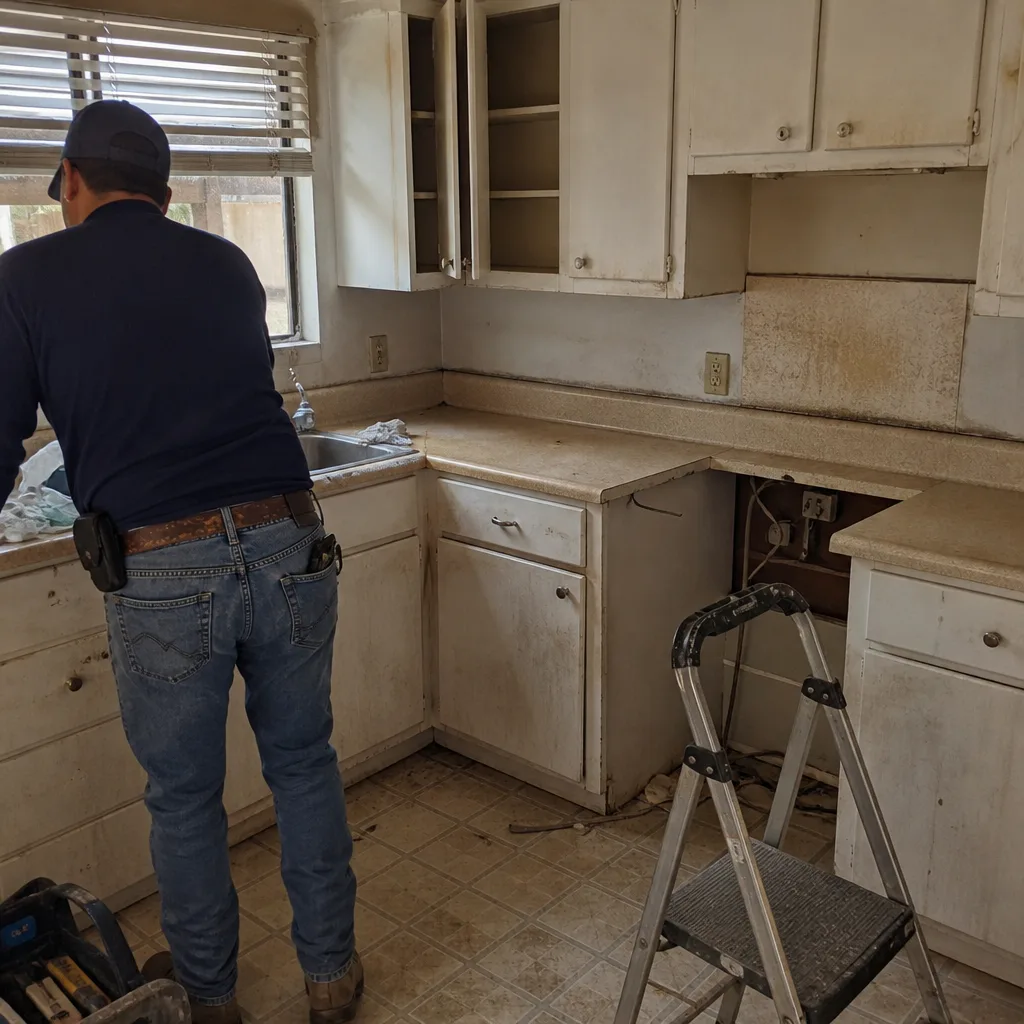 Before
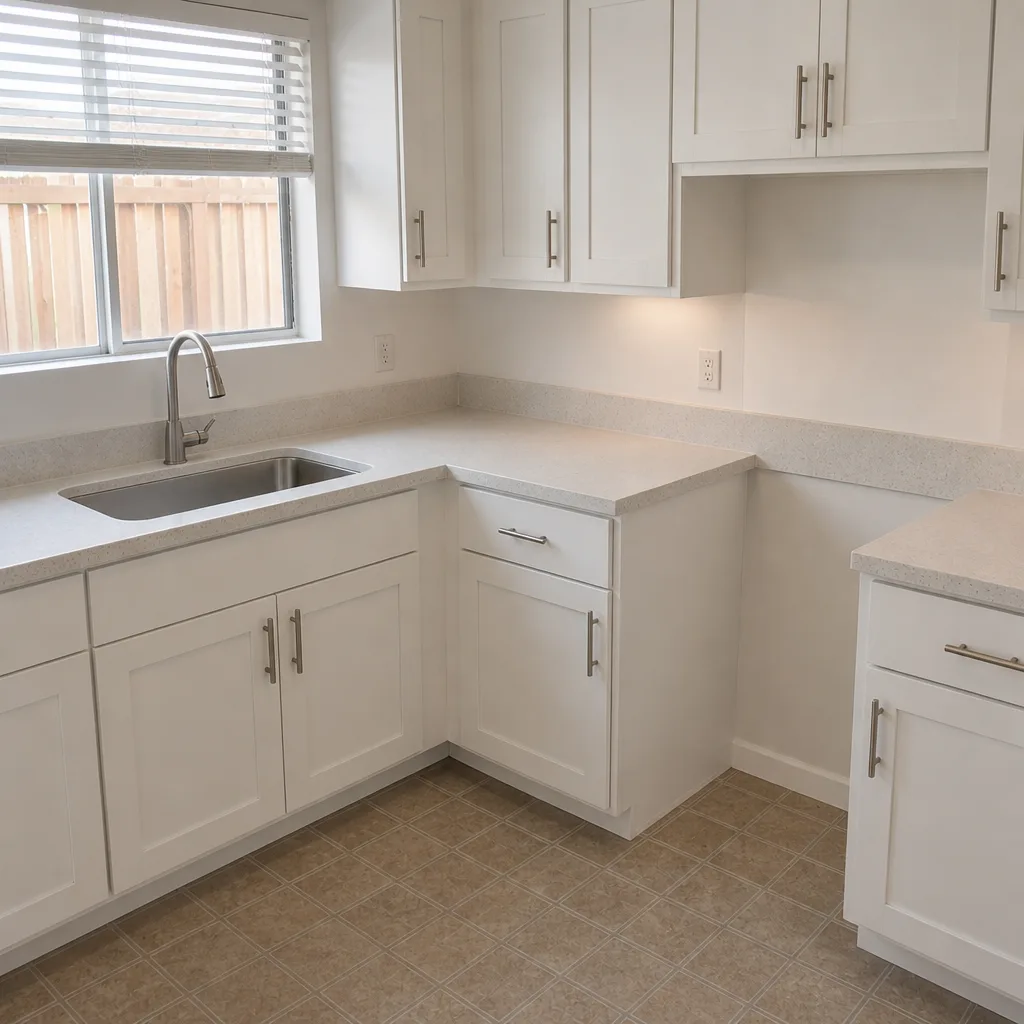 After
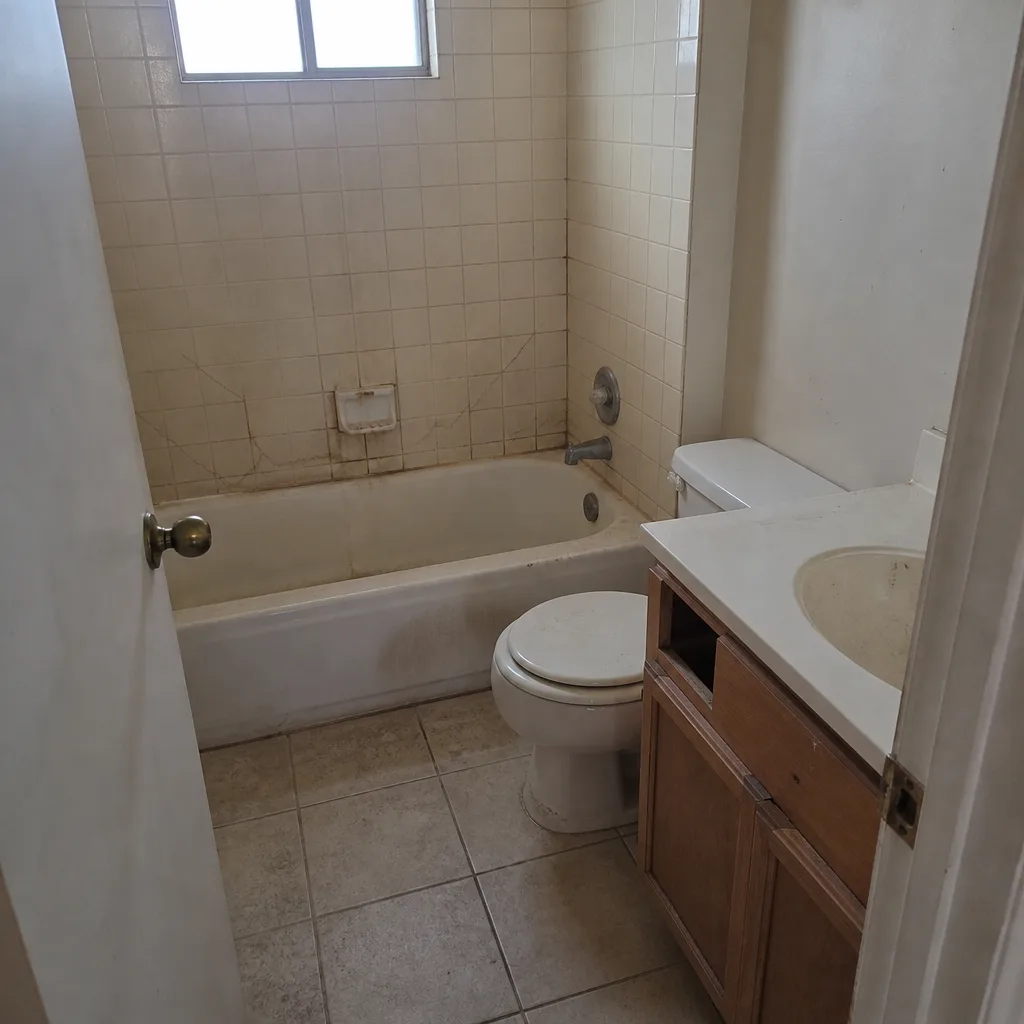 Before
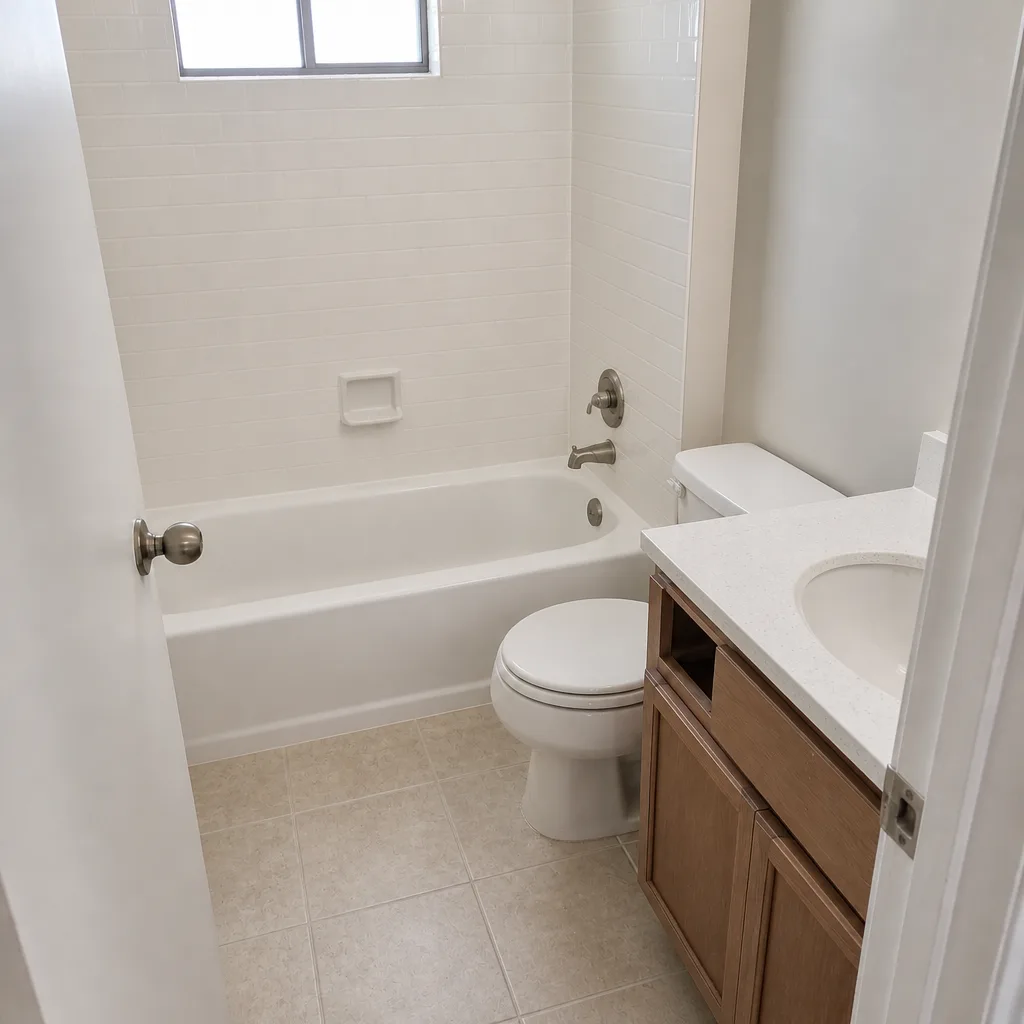 After
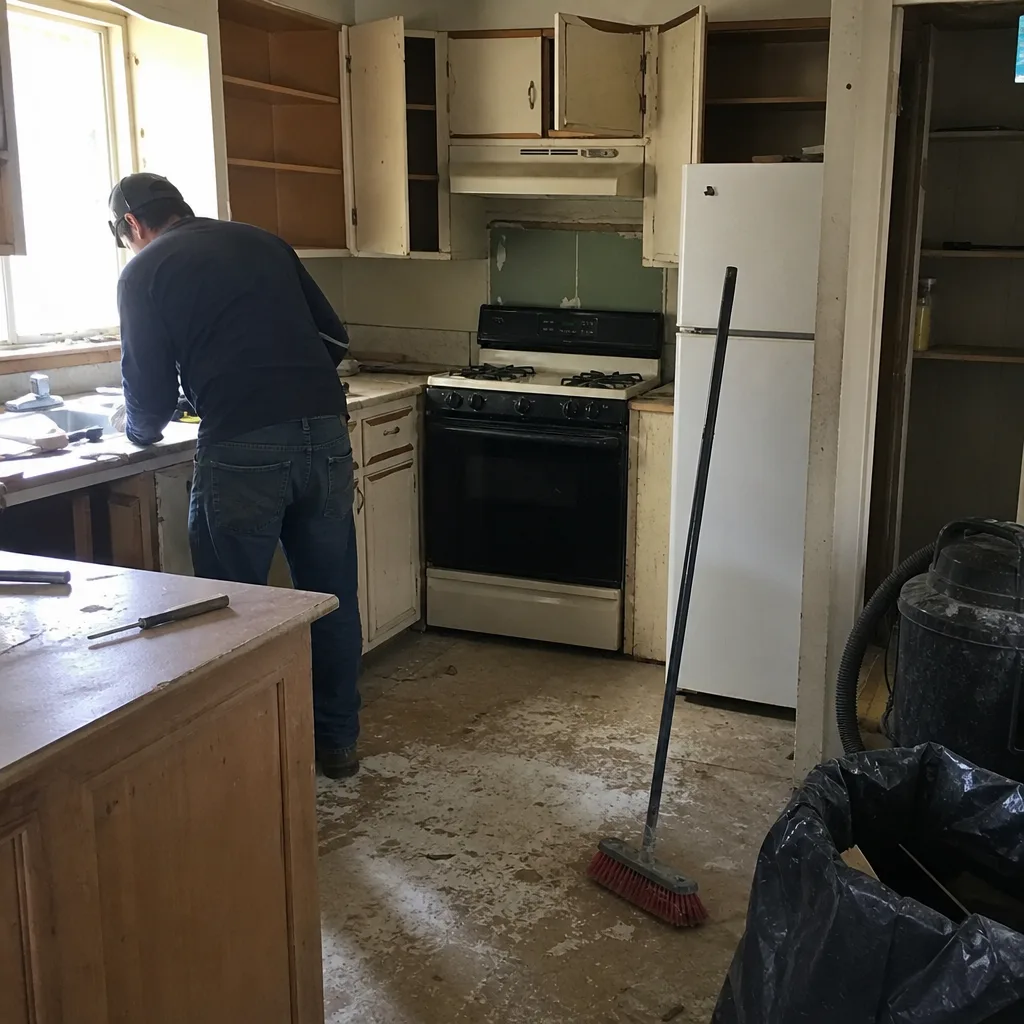 Before
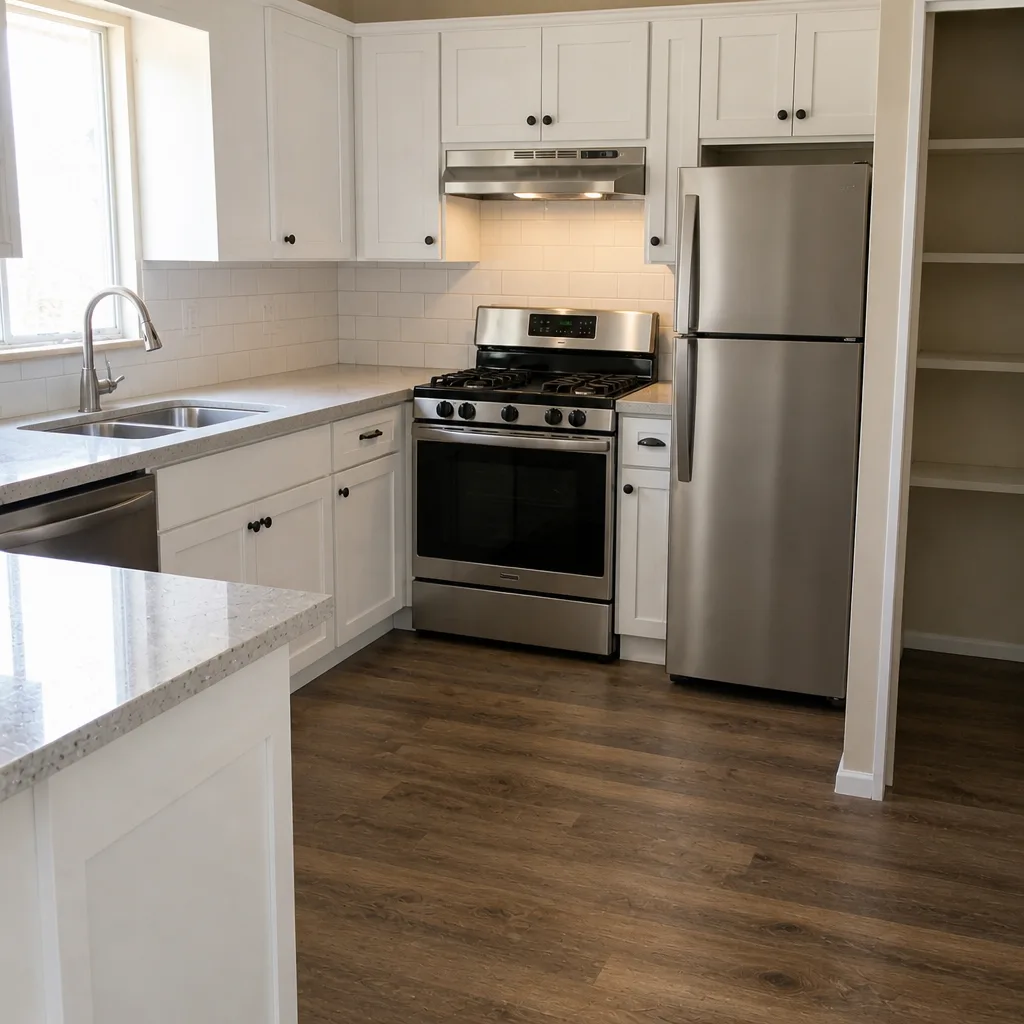 After
When to Call a Professional
Call a professional if any of these applies: the project is over 500 square feet, the driveway is within 5 feet of a property line, your HOA requires architectural review, the subgrade has caliche or unverified fill, or you don’t plan to rent a plate compactor and laser level and use them correctly. Those are not skill questions. They’re equipment-and-documentation questions, and they’re where DIY driveways in Henderson fail. On smaller walkways, front patios, and pool-surround repairs, a careful homeowner can do well and we’ll gladly say so. If you’re anywhere in Henderson and want a written second opinion on a DIY plan or a competitor’s quote before you commit, Rowan Construction Group Henderson offers free estimates. Call (833) 954-5920. The second opinion is free, the price is written before any work starts, and the quote is line-itemed so you can see exactly what a properly prepared base costs versus what you’d be doing yourself. Under the 365-Day Done Right Promise, if the job isn’t right, we make it right.
Frequently Asked Questions
For driveways over 500 square feet, no. The equipment rental math ($335-$2,490 depending on size), the grading permit trigger, and the compaction requirement together erase the $2-$4 per sq ft labor savings. For walkways and small patios under 200 square feet, DIY is often worth it, and the equipment list drops to a single rental day.
Installed paver driveways in Henderson run roughly $30-$45 per square foot in the current valley market, or about $12,000-$18,000 for a 400-square-foot driveway. That includes excavation, compacted 6-inch base, pavers, edge restraints, polymeric sand, and haul-off. Call (833) 954-5920 for a line-item written quote on your specific square footage.
Only if you correct drainage first. Pavers over a slab sit slightly higher than the surrounding grade, so water needs a slope away from the house and often a channel drain or similar. Without it, the base under the pavers becomes a reservoir and the pavers settle unevenly within a season. A professional install will scope the drainage fix into the written price, and that fix usually adds $1,000-$3,000 to the project.
No. Hand tamping delivers roughly 800 pounds of force per pass; a plate compactor delivers 4,000-5,000. On a driveway with vehicle traffic, that gap shows up as settlement within two to three years, and it usually voids the manufacturer’s installation warranty because the warranty specifies mechanical compaction. Hand tamping is fine for resetting a single paver or compacting a walkway border, not a driveway base.
You need a grading permit in Henderson if the project exceeds 500 square feet or if any part is within 5 feet of a property line. The application requires documentation that includes a grading plan and drainage calculations, which is usually produced by a licensed professional. Call (833) 954-5920 if you’d like us to walk through whether your specific project crosses the threshold.
A properly installed paver driveway on a compacted, edge-restrained base lasts 20-30 years in the Henderson climate. Pavers rated for vehicular traffic (8,000+ psi compressive strength) plus a correctly compacted 6-inch base plus edge restraints is the combination that gets you there. Failed installs usually failed at the base, not at the paver surface.
The Bottom Line
The DIY-or-hire question comes down to equipment, not confidence. Paver selection, pattern layout, edge cutting, polymeric sand, and sealing are all within reach for a careful homeowner. Excavation, sub-base installation, and compaction are not, because a hand tamper delivers 800 pounds of force and the base needs 4,000-5,000. In Henderson, add the grading permit trigger at 500 square feet and the HOA review requirement in most master-planned communities, and the honest answer is: DIY a walkway or a patio, hire a driveway. If you want a line-item written quote on a Henderson driveway or a free second opinion on a competitor’s quote, Rowan Construction Group Henderson is one call away.
If you’re planning a fence to screen the new driveway or an ADU at the end of it, our Fence Installation in Henderson and Home Additions & ADU in Henderson pages cover those projects with the same written-price-first approach.
Call (833) 954-5920 to schedule your free estimate. Every Rowan quote arrives as a flat written price with a written scope, a signed change order on any change, and a documented photo record when the crew leaves.
Written by the team at Rowan Construction Group Henderson.