Last updated November 18, 2026
Free written scope consultation - allowances, timeline, and change-order rules on paper before a single trade is scheduled
Fence Installation Troubleshooting: Common Problems and How to Fix Them
A fence that leans two inches after a wind event is not always a footing failure. In our experience across Henderson, roughly 40% of the lean calls we diagnose turn out to be bracket or cap failure at the post top, a fix in the $60 range that gets misdiagnosed as a $400 footing reset. That gap between what a fence looks like from ten feet away and what’s actually happening below grade is where most repair budgets go wrong. This guide walks through the diagnostic protocol we use to tell post-top failure from post-base failure, how to read vinyl rail sag and CMU block cracks, why Gate sag has three distinct causes, and when a heaving post means a full re-bore in Henderson’s caliche soil.
Quick Answer
Most fence problems in Henderson come down to one question: did the post move at the surface or at the footing? A leaning fence with a rotated post top needs a $60 bracket or cap repair, while the same lean from a shifted footing needs a $300 to $600 reset. Vinyl rail sag, CMU block cracks, and gate sag each have their own diagnostic measurements, and caliche-related post heave is the one failure that only a full post pull and re-bore will fix permanently.
Styles & brands we work with
- Kitchen remodeling
- Bathroom remodeling
- Home additions & ADU
- Roofing
- Windows & doors
- Driveway & pavers
- Fence
Table of Contents
- The String-Line Lean Test
- Post-Top Failure vs. Post-Base Failure
- Vinyl Fence Rail Sag and Henderson’s Heat
- CMU Block Fence Crack Classification
- Gate Sag Diagnosis
- Caliche-Related Post Heave
- Repair Cost Ranges in Henderson
- Common Mistakes to Avoid
The String-Line Lean Test: A Ten-Minute Diagnostic
Before any money gets spent, run this test. It uses a mason’s string, a tape measure, and ten minutes of your morning. It tells you whether the post moved at the surface or at the footing, and that single answer separates a $60 fix from a $600 one.
- Set your reference line. Tie a mason’s string between two fence posts you know are plumb, pulling it taut at about chest height. If you have two good posts, anchor the string there. If not, run it between two stakes set 12 inches outside the fence line.
- Measure at the top. Hold the tape at the string and measure perpendicular to the top of the suspect post. Write the number down.
- Measure at the bottom. Do the same at the base, four inches off the ground. Write it down.
- Compare the two numbers. If the top is out of square but the bottom reads close to the string, the post has moved at the top. If the bottom is out and the top follows, the footing is the problem.
- Walk the run. Repeat at every post. A lean that only touches one or two posts is usually top-side. A lean that touches five or six in a row points to a soil or footing issue.
In Henderson, we run this test on every lean call before quoting anything. The string line doesn’t lie, and it saves clients from paying for a footing reset they don’t need. Our crews carry a string and tape on every visit because this diagnostic takes less time than a phone call.
Post-Top Failure vs. Post-Base Failure: What the Difference Looks Like
The two failure modes look nearly identical from the sidewalk, and that’s the trap. A post can lean because the bracket or cap that ties the top of the post to the rail has failed, or because the concrete footing has shifted. The repair paths are opposite, and mixing them wastes money.
Post-top failure shows these signs:
- The post leans but the ground line stays intact and unbroken
- The rail appears to pull away from the post at the top of the rail run
- The lean shows up within days of a wind event, and it’s confined to the post tops
- The post wiggles when you push it at the top, but holds firm at the base
- You can rock the post back toward plumb with moderate pressure
Post-base failure reads differently:
- The ground line around the post shows separation, cracking, or a sunken hollow
- The lean has developed gradually over months, not overnight
- The post refuses to move when you push it, because the footing has rotated in the soil
- Neighboring posts near the failure show the same lean, suggesting a soil wash or footing issue
- The concrete collar at grade is cracked or displaced
The repair difference matters. A post-top repair (new bracket, cap, or wedge) runs $60 to $120 per post. A post-base repair, meaning a footing reset with the concrete pulled and re-poured, runs $300 to $600 per post. The string-line test above is the fastest way to sort them. When a repair is needed, our Fence Installation in Henderson team quotes both paths with a written line item for each, so you know exactly which one you’re paying for.
Vinyl Fence Rail Sag: Three Causes and How Each Looks
Vinyl rail sag shows up on Henderson fences for three reasons, and each one has a different tell at the rail midpoint. Telling them apart requires a level, a straightedge, and a look at the rail material itself.
Improper span
Rails set more than 8 feet apart on unsupported runs always sag, regardless of heat. Check the rail length between posts. If it’s over 8 feet and the midpoint dips more than 1 inch, the span is the problem. The fix is a mid-span support post or a switch to a heavier reinforced rail, which runs $120 to $250 per span.
Bracket failure
When the bracket inside the post has cracked or pulled, the rail dips at one end while the midpoint stays plumb. Run a level along the rail’s bottom edge. If one end sits higher than the other by more than ½ inch, the bracket is the issue. Replacement brackets run $15 to $35 each, but the real cost is the labor to pull the rail, replace the connector, and re-seat the rail.
Thermal expansion
Henderson summers hit 115°F, and vinyl expands roughly 1/16 inch per 10 feet of rail for every 40-degree swing. That expansion pushes against the post and bows the rail at the midpoint. The bow, unlike a bracket failure, appears on the middle of the rail rather than at an end. The fix is to trim the rail’s expansion gap or retrofit a floating sleeve at one end. Brands like ActiveYards and Tremron build expansion gaps into their rail profiles, which is one reason we quote their material on Henderson installs. If a sag appears after a July heat wave along the Green Valley corridor, thermal expansion is the first culprit we check.
When the sag is more than 2 inches at the midpoint, or when several rails are involved, the run often needs a full re-seat. Our crew documents every span with a photo record so you can see which rails failed and why before the repair.
CMU Block Fence Crack Classification
Block fences are common in Henderson’s older neighborhoods, and not every crack is the same. Telling a hairline settlement crack from a structural shear crack is the difference between a $100 mortar repair and a full wall rebuild.
Hairline settlement cracks
These run 1/16 inch wide or less, often zigzag through mortar joints, and appear within the first year of a block fence’s life. They’re usually caused by soil settling under the footing. The fix is a mortar repoint with a Type N mix, running $150 to $400 for a typical Henderson block run. Hydraulic cement works for quick patching on hairline cracks, but it shouldn’t be used on load-bearing joints because it sets too hard and can crack the adjacent block.
Structural shear cracks
Shear cracks run through the block itself, not just the mortar joint, and typically angle at 30 to 45 degrees. They open and close with temperature swings and widen after a monsoon. These indicate the footing has shifted or the wall is being pushed by soil movement. Epoxy injection is the standard repair for structural cracks, running $400 to $900 per crack depending on depth. If the crack is wider than ¼ inch or the wall has moved more than 1 inch at the top, the wall needs a full rebuild rather than an injection repair.
Any crack that’s grown over a season in a block wall on a Henderson property is worth a second look. We photograph every crack we inspect and give you a written classification with the repair spec, which is the documentation standard under The Haven Standard.
Gate Sag Diagnosis: Hinge, Post Rotation, or Frame Racking
A sagging gate has three distinct causes, and the wrong fix wastes money and leaves the gate dragging a month later. Here’s how to tell them apart with a tape measure and a level.
Hinge failure
Open the gate 90 degrees and let go. If it drops sharply and won’t hold its position, the hinge is worn or loose. Check the gap between the gate stile and the hinge post at the top and bottom. A gap variance over ⅛ inch points to hinge wear. Hinge replacement runs $40 to $120 per gate.
Post rotation
Set a level on the hinge-side post. If the post is out of plumb by more than ½ inch over its height, the post has rotated in the footing, usually after soil movement from a monsoon or from a footing poured too shallow. The fix is a post reset or a full re-bore, running $300 to $600. This is common on fence runs along streets in Henderson where the gate-side post takes the wind load from the double gate.
Frame racking
Racking is when the gate’s internal frame has shifted so the rectangle has become a parallelogram. Measure the two diagonals from corner to corner. If they differ by more than ¼ inch, the frame is racked. The fix is a diagonal brace or a full frame rebuild, running $150 to $400. Racking most often appears on gates wider than 5 feet where the frame wasn’t braced at install.
When a gate starts catching the ground or refusing to latch, don’t just adjust the latch. Adjusting the latch on a sagging gate hides the problem for a few weeks and then it comes back. Our crews photograph the hinge, post, and frame on every gate visit so you have a record of what caused the sag.
Caliche-Related Post Heave: When the Post Rises
Henderson sits on caliche, a calcium-carbonate hardpan that behaves like a rock layer under the topsoil. When a fence post rises after a heavy monsoon rather than sinking, it’s a sign that the footing was poured above the caliche layer, not through it. The water can’t drain past the hardpan, saturates the soil above it, and the saturated soil freezes and thaws (rare in Henderson) or swells and lifts the concrete collar. A heaving post is the one failure that no surface repair will fix permanently, because the waterproofing failure is under the footing.
The only permanent fix is a full post pull and re-bore. That means:
- Pull the post and dig out the existing concrete footing
- Bore through the caliche layer to at least 24 inches below the hardpan surface
- Set the new footing with a gravel base for drainage and pour a fresh collar that sits below the caliche line
- Refill around the footing with a compactable base material, not native soil, so water drains away from the post rather than pooling against it
This runs $400 to $700 per post because the caliche has to be drilled rather than dug. If we’re quoting a fence run in Henderson’s older neighborhoods like Green Valley or the eastern foothills, we check the caliche depth first and specify the bore depth in the written scope. Where the caliche sits deeper than 30 inches, we’ll usually recommend a full post and footing replacement spec from the start rather than a surface repair that will heave again next monsoon season.
Repair Cost Ranges in Henderson
Here’s what the repair paths cost in Henderson, with the range we quote. Every one of these is a flat written price with a scope and warranty before any work starts. We don’t quote ranges by phone and we don’t adjust them after the crew is on site.
- Post-top bracket or cap repair: $60 to $120 per post
- Post-base footing reset: $300 to $600 per post
- Vinyl rail re-seat (single rail): $120 to $250 per span
- Vinyl bracket replacement: $15 to $35 per bracket, plus labor
- Mortar repoint on block wall: $150 to $400 per run
- Epoxy injection on structural crack: $400 to $900 per crack
- Gate hinge replacement: $40 to $120 per gate
- Gate frame brace or rebuild: $150 to $400
- Caliche post pull and re-bore: $400 to $700 per post
If a contractor quotes a number without seeing the string-line test or checking the caliche depth, the quote is a guess. Our free estimate includes a written diagnostic with the string-line measurements, the crack classification, and the bore depth we’ll use. You can bring a competing written estimate and we’ll review it line by line at no charge under our Free Second Opinion offer.
Common Mistakes to Avoid
- Treating a top-side lean as a footing failure. This wastes $300 to $600 per post on a repair that doesn’t address the actual problem. Run the string-line test first.
- Using hydraulic cement on structural cracks. Hydraulic cement sets to a hard, brittle surface and doesn’t flex with temperature. It’s fine for hairline patching, but structural cracks need epoxy injection, which bonds with the block and moves with the wall.
- Adjusting the gate latch instead of diagnosing the sag. A sagging gate that catches or drags needs a hinge, post, or frame fix, not a latch adjustment. The latch will work for a few weeks and then fail again.
- Setting a post in native soil. Caliche prevents drainage, and a post set in native soil with no gravel base will heave within a season in Henderson. Specify a drained footing through the caliche line.
- Ignoring a ¼-inch crack in a block wall. Structural shear cracks start small and widen after a monsoon. A ¼-inch crack is the threshold where we recommend a full inspection rather than a skim patch.
- Replacing a failed bracket without checking the span. If the rail span is over 8 feet, the new bracket will fail again. Add a mid-span support or switch to a heavier rail, as ActiveYards and Tremron profiles allow.
- Quoting a repair without a written price and scope. A verbal quote leaves the door open for change orders and a final bill that doesn’t match what was discussed. Insist on a written number before anyone starts.
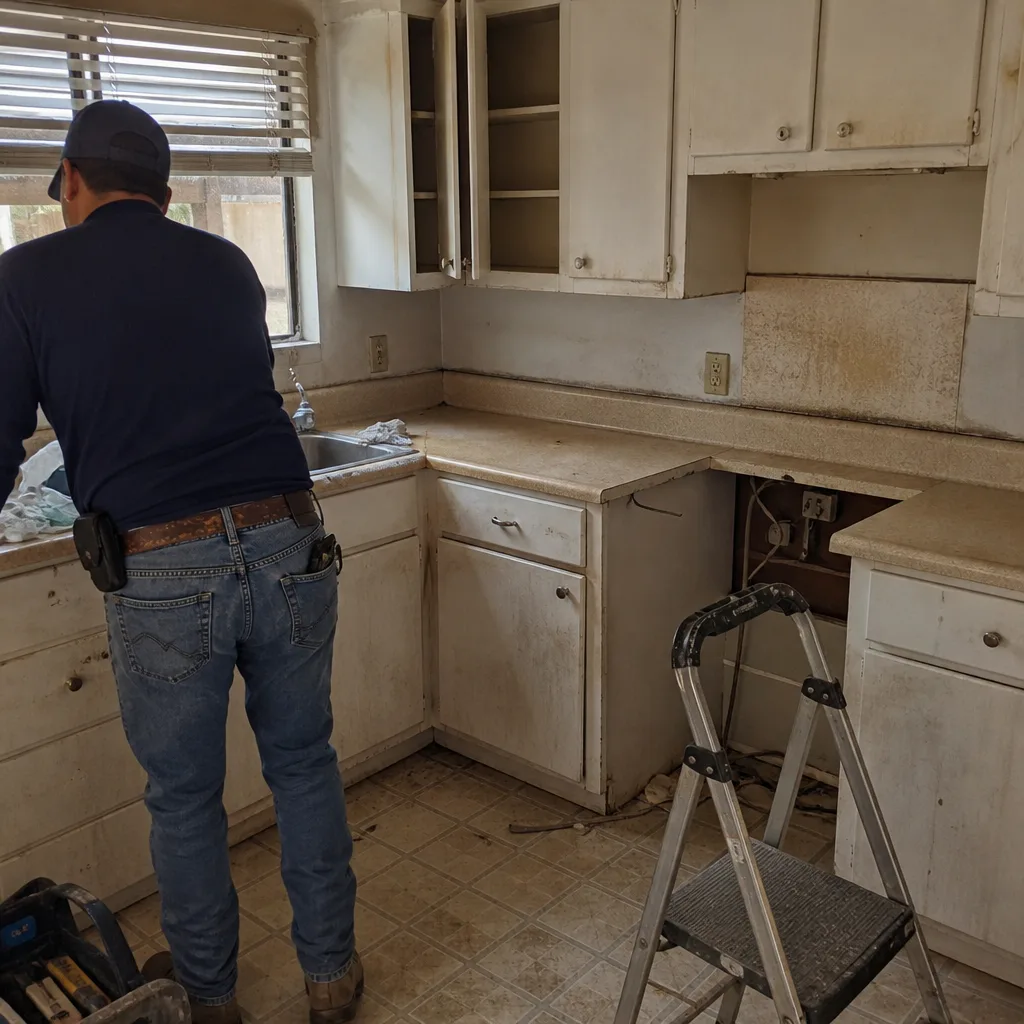
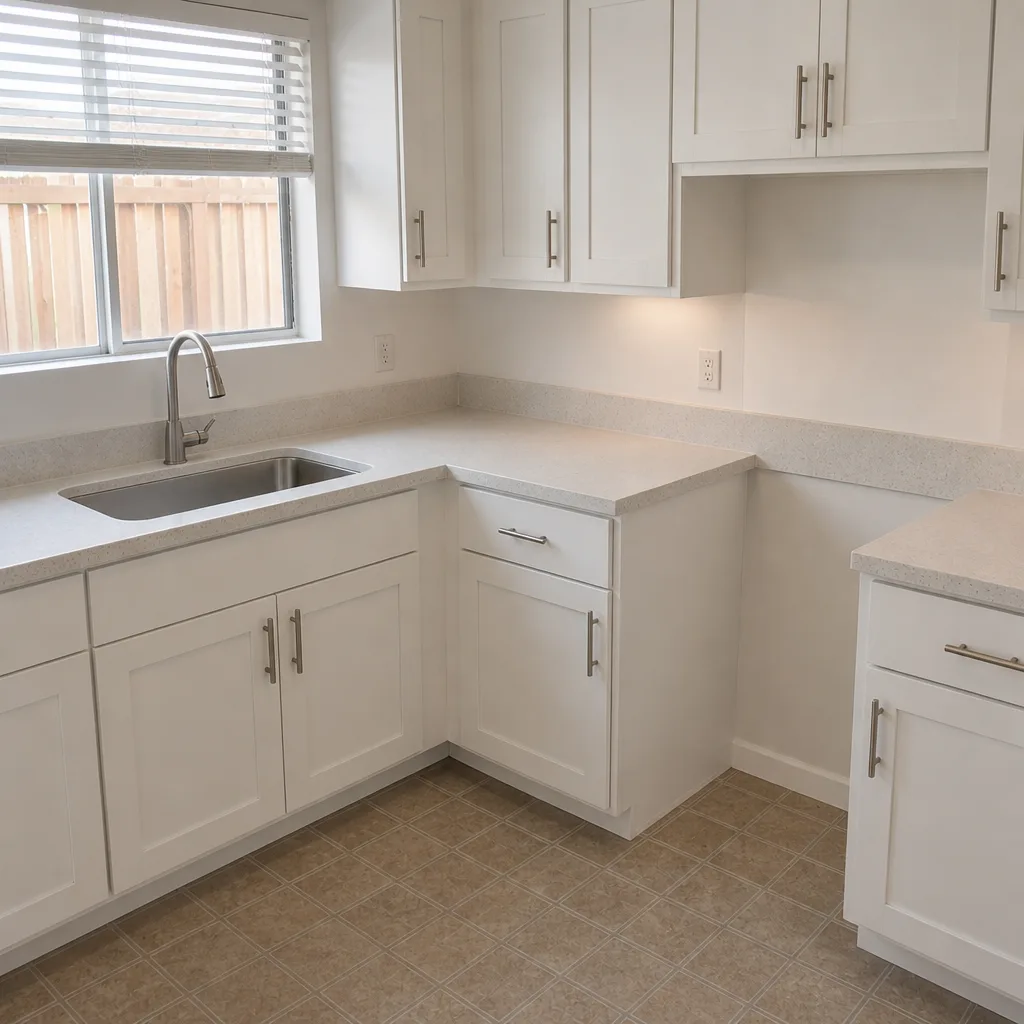
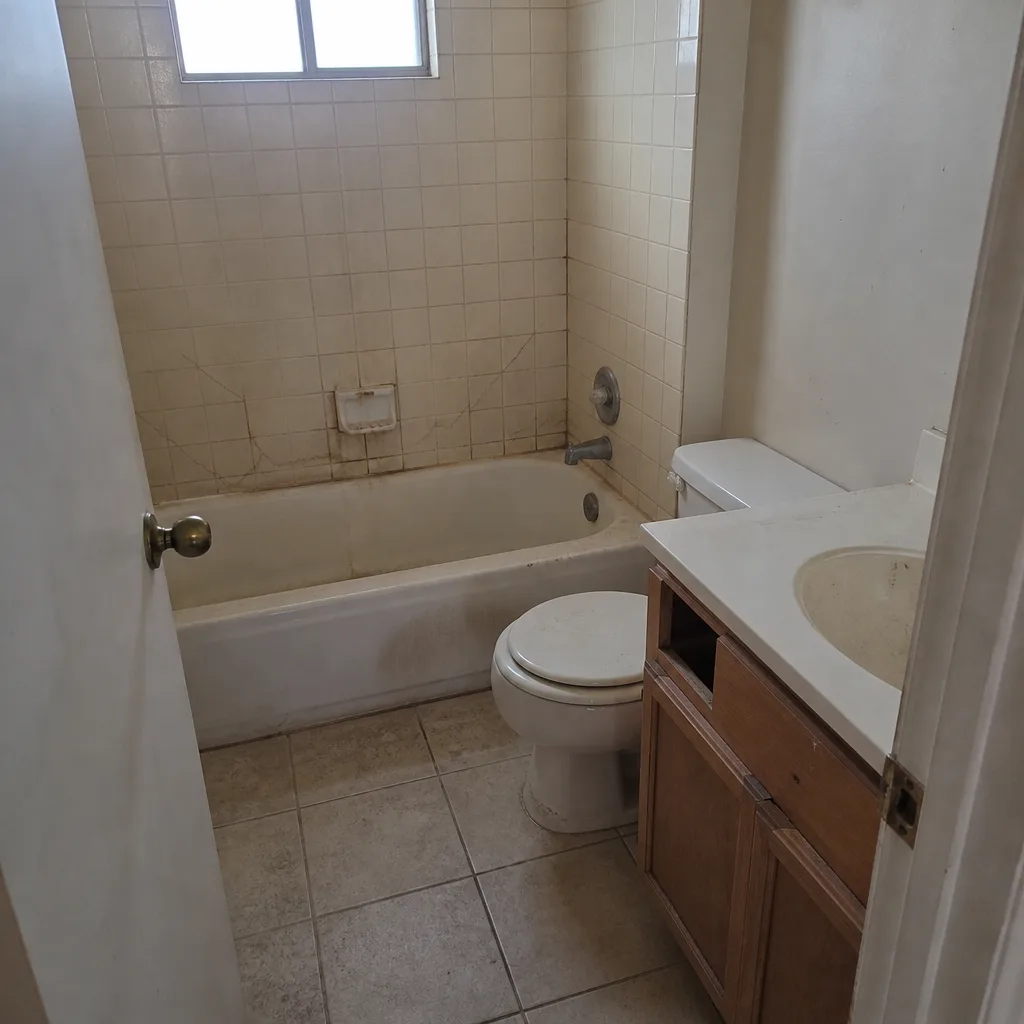
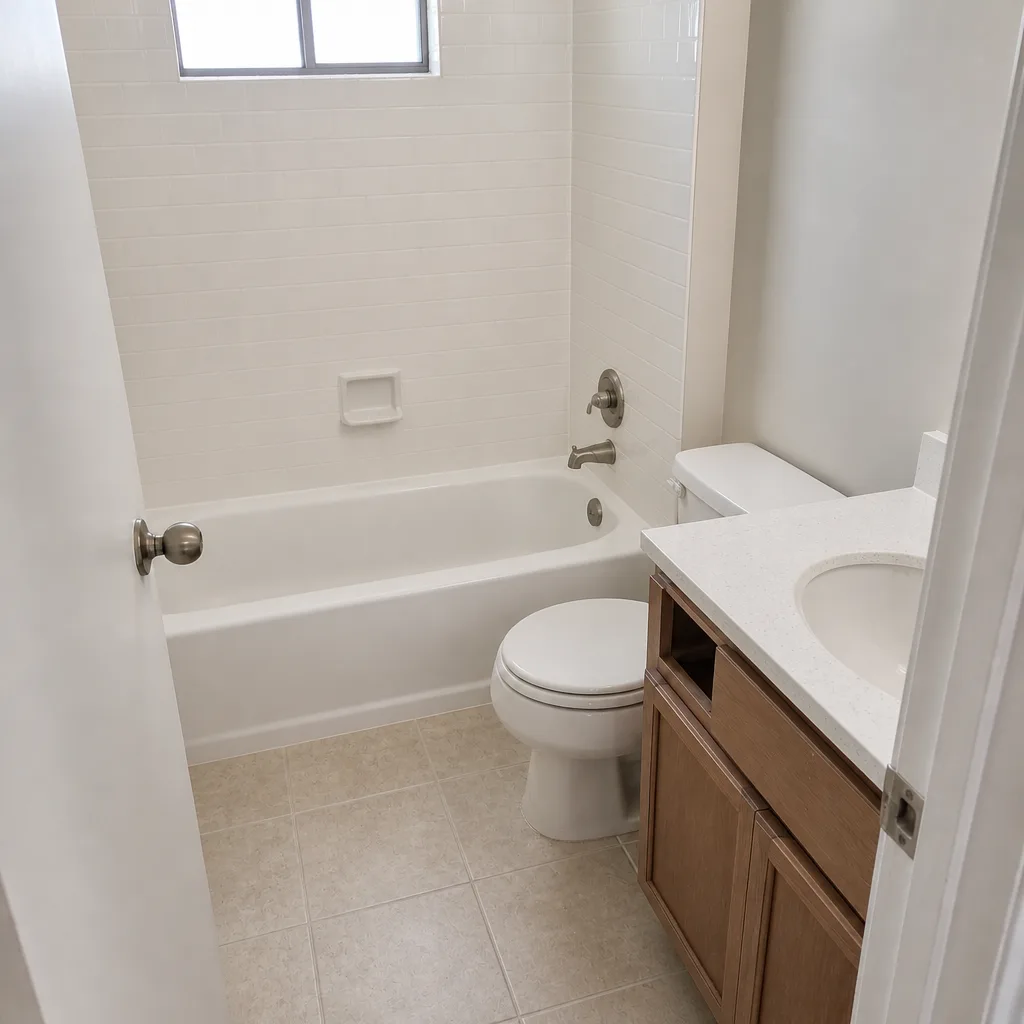
See the difference
 Before
 After
 Before
 After
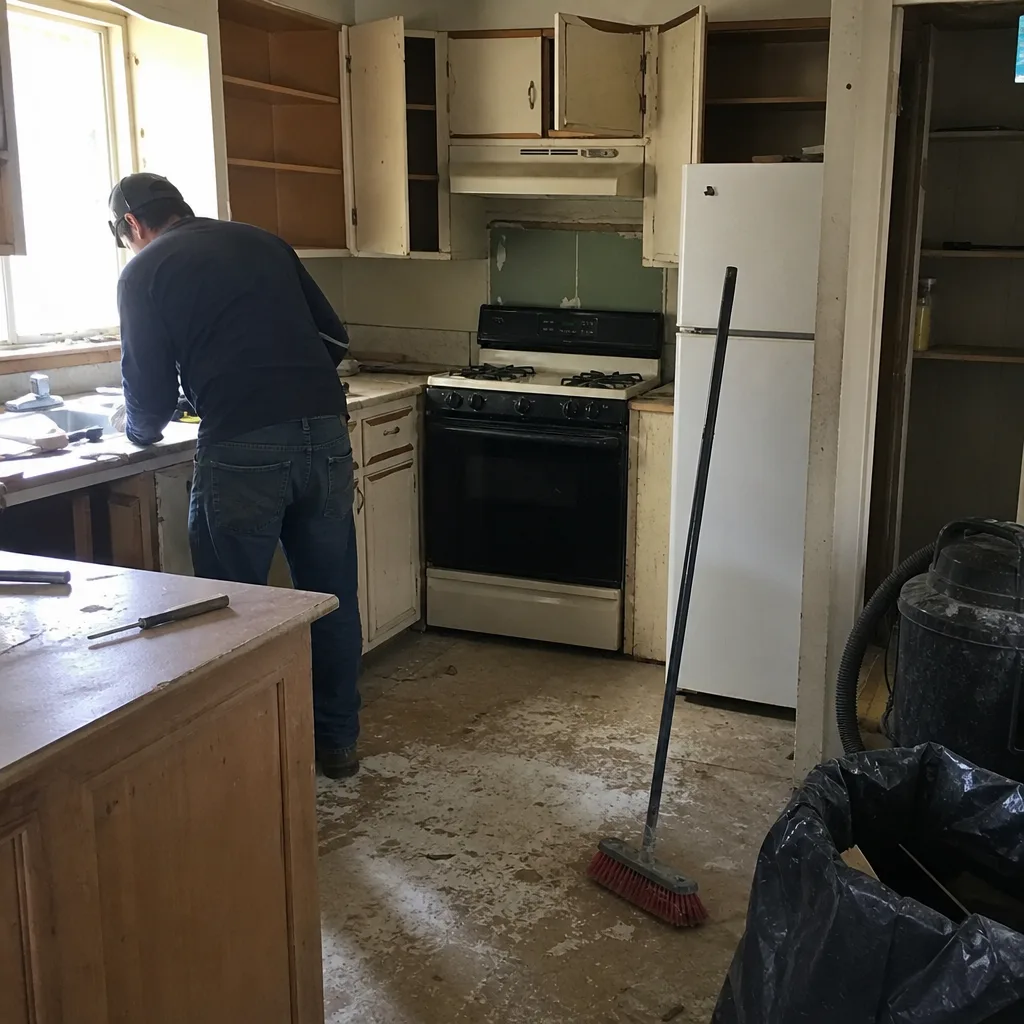 Before
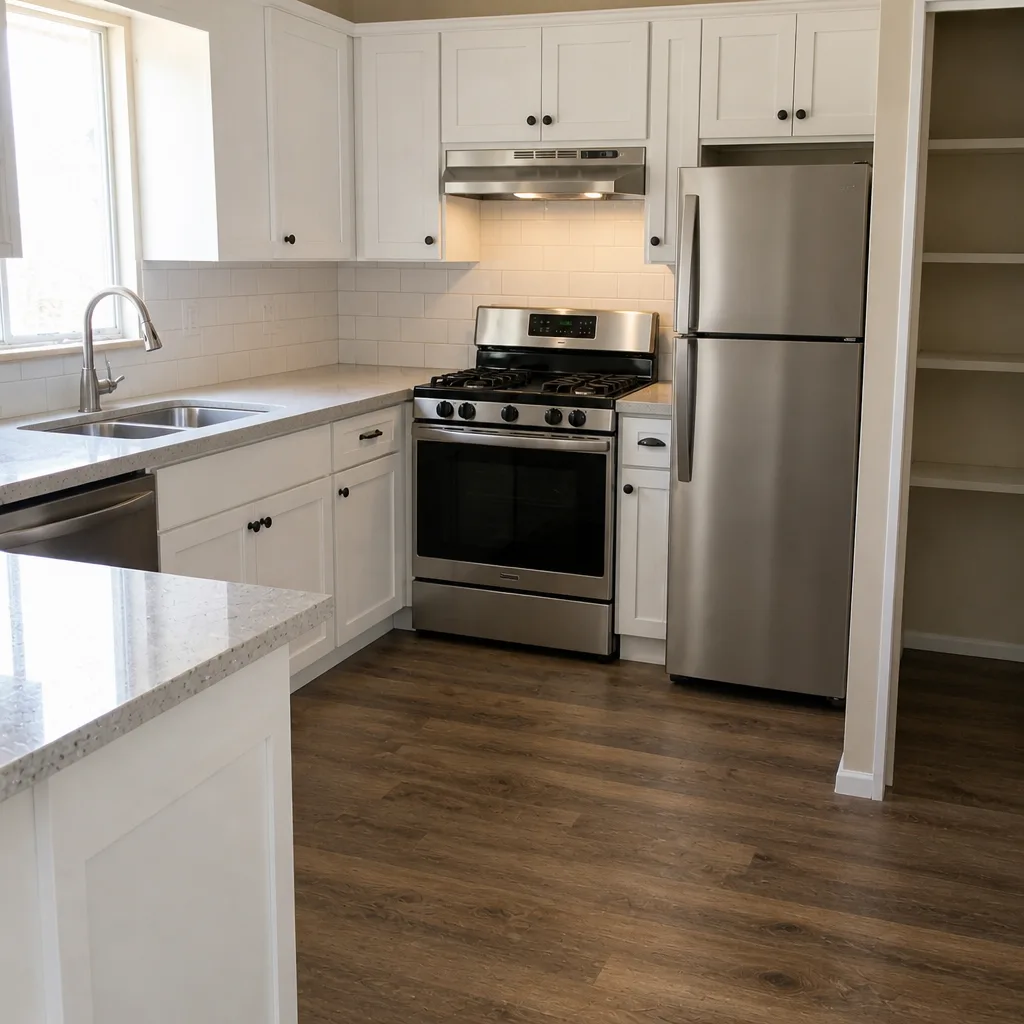 After
When to Call a Professional
Some fence problems are safe to inspect yourself and some are not. Anything that involves pulling a post, resetting a footing, or drilling through caliche is a job for a trained crew: the wrong technique can shift the footing on a neighboring post and the fix multiplies. Same for epoxy injection on a structural crack in a block wall, because the injection pressure and cure time have to be matched to the crack width. If you have a gate that’s hanging on a post that’s out of plumb by more than ½ inch, or a post that’s risen during a monsoon, call a professional before making adjustments. Rowan Construction Group Henderson offers free estimates in Henderson, and every written quote includes the string-line measurements, the repair classification, and a documented photo record of what we found. Call (833) 954-5920 for a free estimate. For related work on the same property, our Driveway & Pavers in Henderson team can quote pavers alongside the fence repair so the two jobs share one project timeline.
Frequently Asked Questions
Run a mason’s string between two plumb posts at chest height, then measure the horizontal gap at the top of the suspect post and again four inches off the ground. If the top gap is wider than the bottom, the post moved at the top and needs a bracket or cap repair. If the bottom gap is wider, the footing has shifted and needs a reset.
Vinyl rail sag in Henderson usually comes from one of three causes: an unsupported span over 8 feet, a cracked internal bracket, or thermal expansion from the 115°F summer heat. Check the rail length first, then run a level along the bottom edge. Midpoint dip with plumb ends points to span or thermal expansion; an end dip points to a bracket failure.
A hairline crack under 1/16 inch in a mortar joint is a settlement crack and usually needs a mortar repoint. A crack through the block itself, at a 30 to 45 degree angle, is a structural shear crack and needs epoxy injection or a rebuild. Call (833) 954-5920 for a free inspection if the crack is wider than ¼ inch or has grown over a season.
A post that rises rather than sinks means the footing was poured above Henderson’s caliche hardpan, so water can’t drain and the saturated soil lifts the concrete. The only permanent fix is a full post pull and re-bore through the caliche layer, running $400 to $700 per post.
Repair costs in Henderson range from $60 for a bracket fix at the post top to $900 for an epoxy injection on a structural block crack, with most lean repairs falling between $60 and $600 per post. Call (833) 954-5920 for an exact written quote, which comes with a string-line diagnostic and a documented photo record.
No. Under Clause 1 of The Haven Standard, we deliver a written flat price and a written scope before any work starts, and no change proceeds without a signed change order. If we find something during the repair that changes the scope, you’ll see a written change order with the price on it before anyone picks up a tool. That’s what keeps projects within a few percent of the agreed number.
The Bottom Line
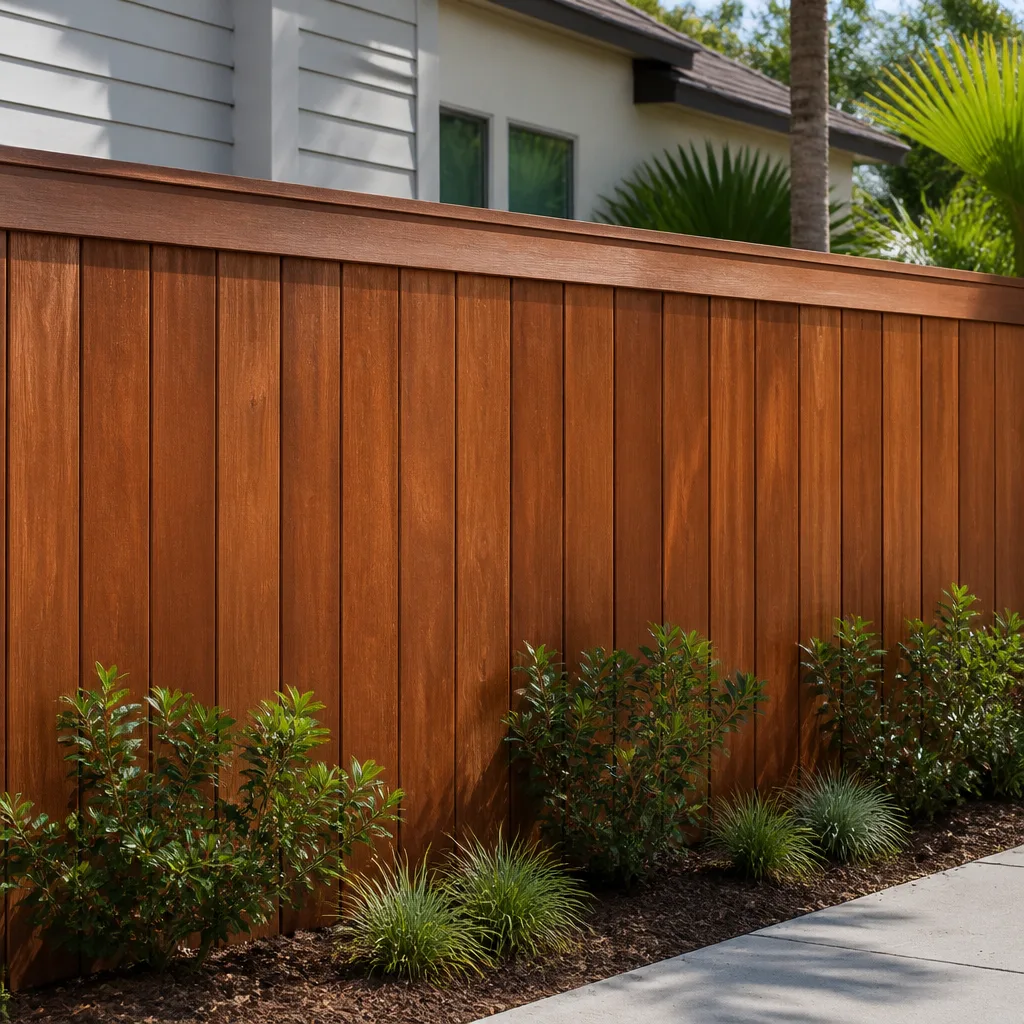
Most fence repairs in Henderson come down to one question the string line answers in ten minutes: did the post move at the top or at the base? Get that right and the repair path is obvious, whether it’s a $60 bracket or a $600 footing reset. Vinyl rail sag, block wall cracks, and gate sag each have their own diagnostic measurements, and caliche post heave is the one failure that always needs a full re-bore. Our technicians have up to 19 years of experience diagnosing these exact failures, and every visit comes with a documented photo record. If the diagnosis isn’t clear or the repair involves pulling a post, our Rowan Construction Group Henderson home page lists the full range of trades we handle, and our Home Additions & ADU in Henderson team can coordinate with fence work if you’re planning a larger project. Rowan Construction Group was founded in 2007, and our 365-Day Done Right Promise means if the repair isn’t right, we make it right. Bring us a competing written estimate and we’ll review it line by line at no charge.
Call (833) 954-5920 to schedule your free estimate and a written repair quote for your Henderson fence.
Written by the team at Rowan Construction Group Henderson.