Last updated November 18, 2026
Free written scope consultation - allowances, timeline, and change-order rules on paper before a single trade is scheduled
The Complete Guide to Construction in Henderson
Nevada doesn’t require a contractor to carry a bond above $500,000 in contract value. Read that again: a $600,000 home addition in Henderson can be legally bid by a firm whose bond wouldn’t cover a used sedan, and the state’s licensing board will still call that firm compliant. That single fact shapes everything else in this guide. We’re going to walk through the Clark County versus City of Henderson permitting split, the caliche layer sitting under half the valley and what it does to your foundation budget, the Nevada State Contractors Board license classes and which one has to appear on your contract, and the four documents you should physically hold before a shovel touches dirt. If you’re planning any project in Henderson this year, this is the page to read before you take a single meeting.
Quick Answer
Construction in Henderson is governed by two separate permitting authorities (Clark County and the City of Henderson), two very different soil conditions (caliche versus graded fill), and a contractor market that runs from properly licensed multi-trade firms to unlicensed handymen operating on a handshake. Expect permitting alone to add 2 to 6 weeks versus a comparable project in an unincorporated part of the valley, and expect caliche excavation to add $1,800 to $4,500 per zone if your lot sits on it. The protection is documentation: a written price, a verified license class, an insurance certificate naming you as additional insured, and a lien waiver template in hand before work starts.
Styles & brands we work with
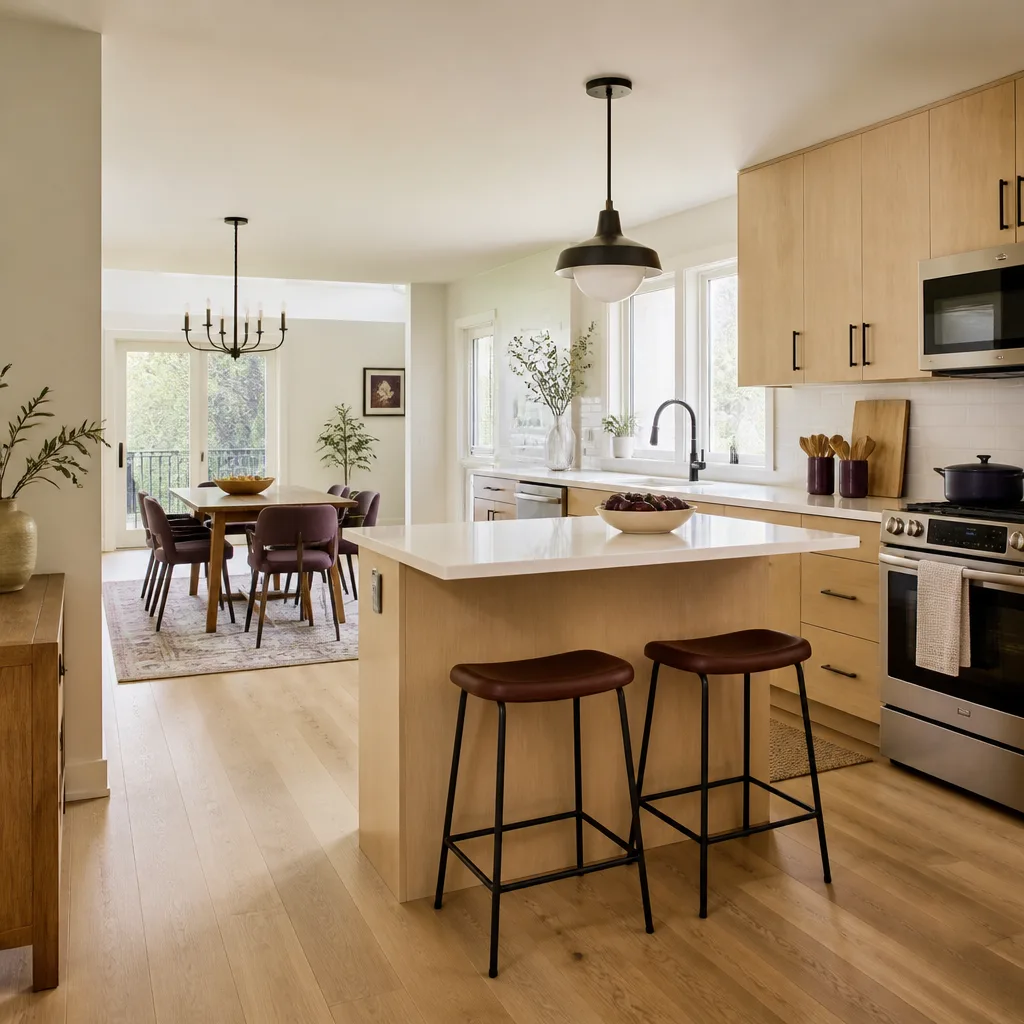
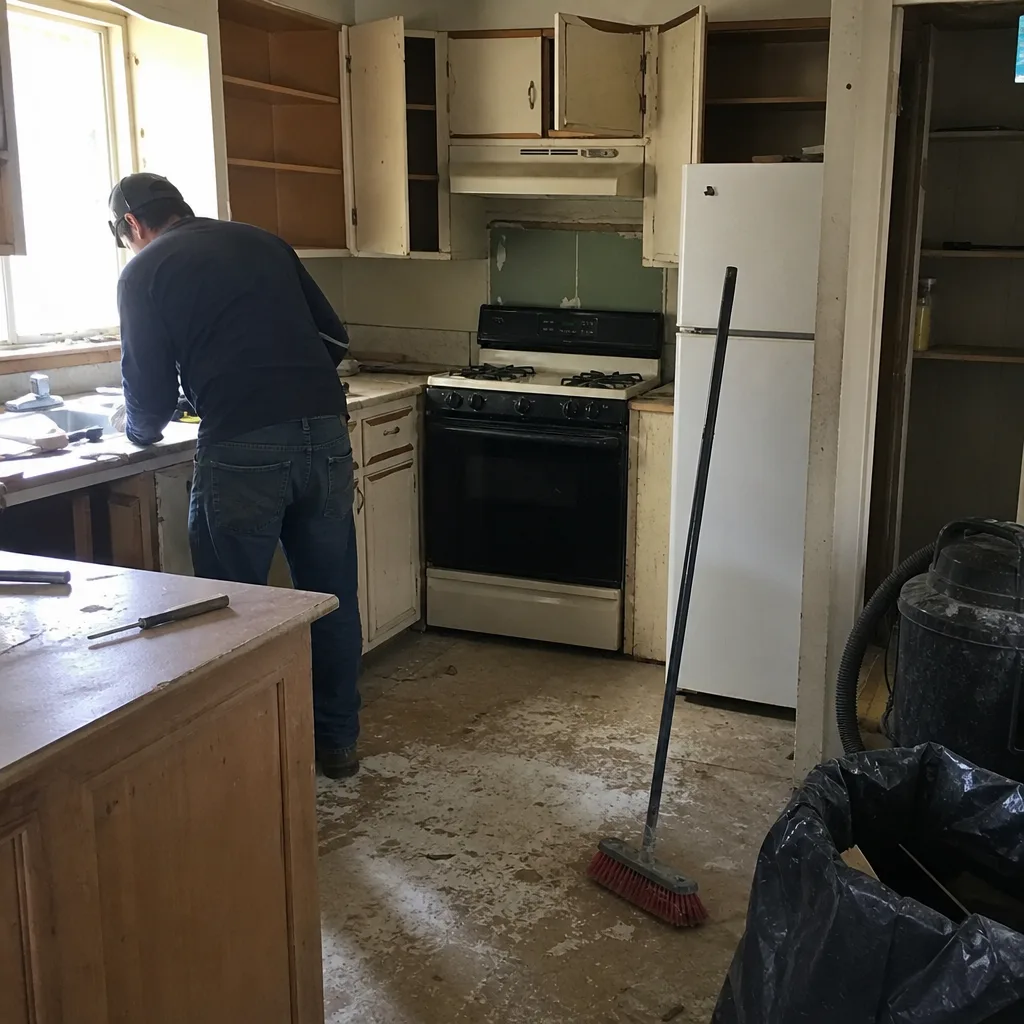
- Kitchen remodeling
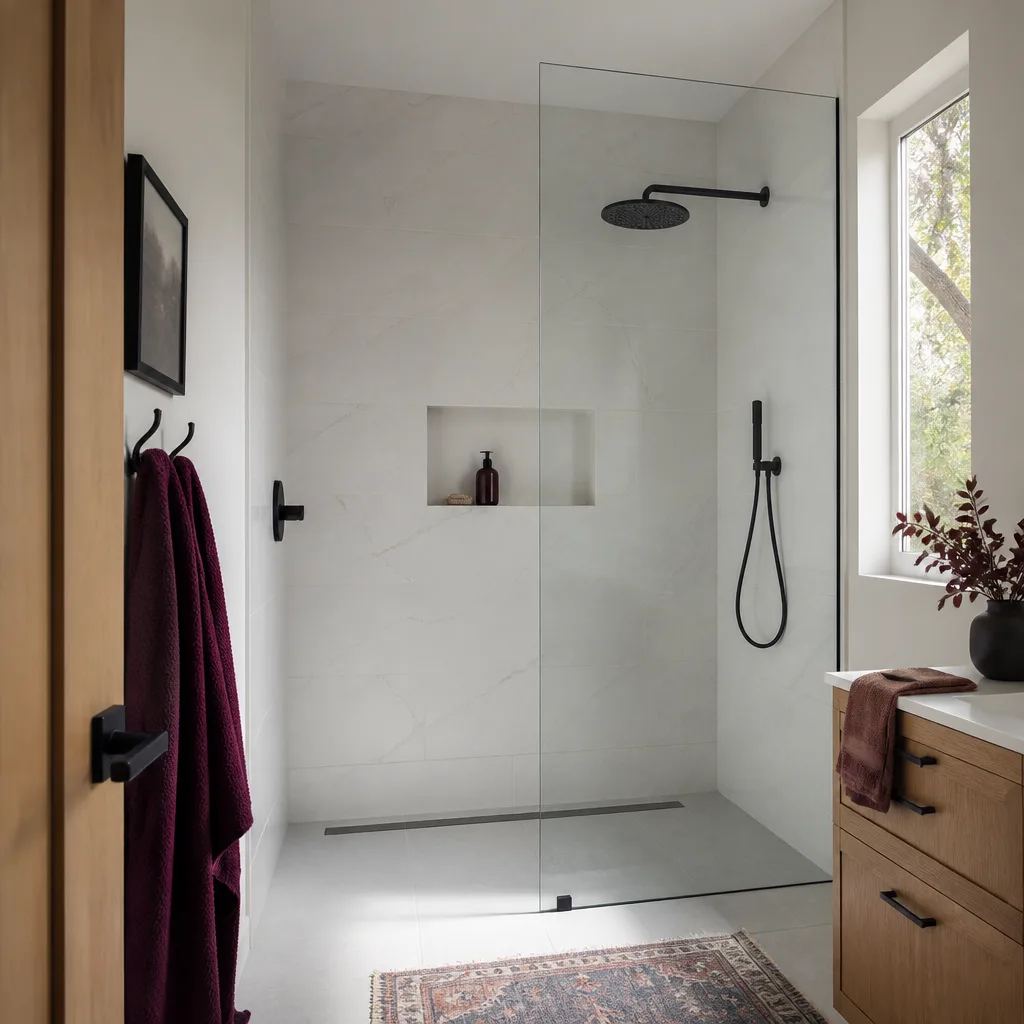
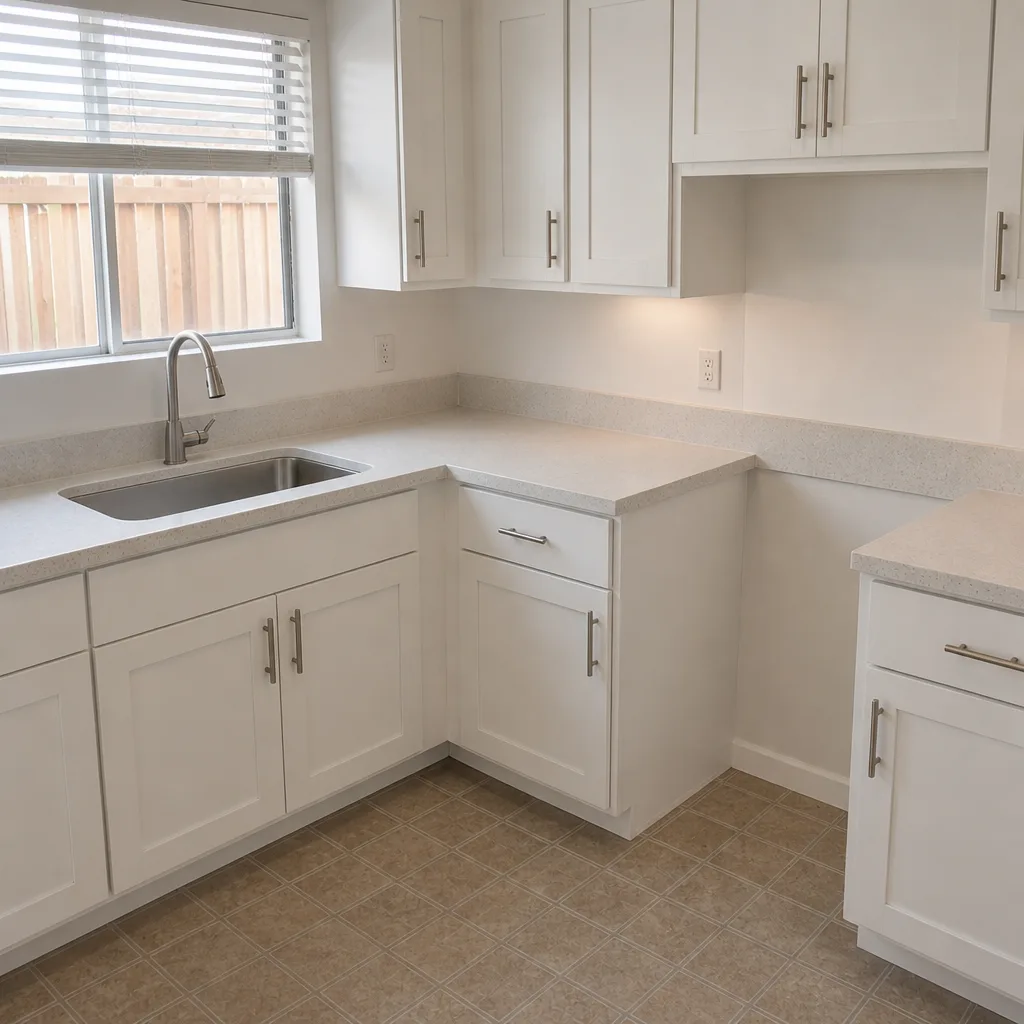
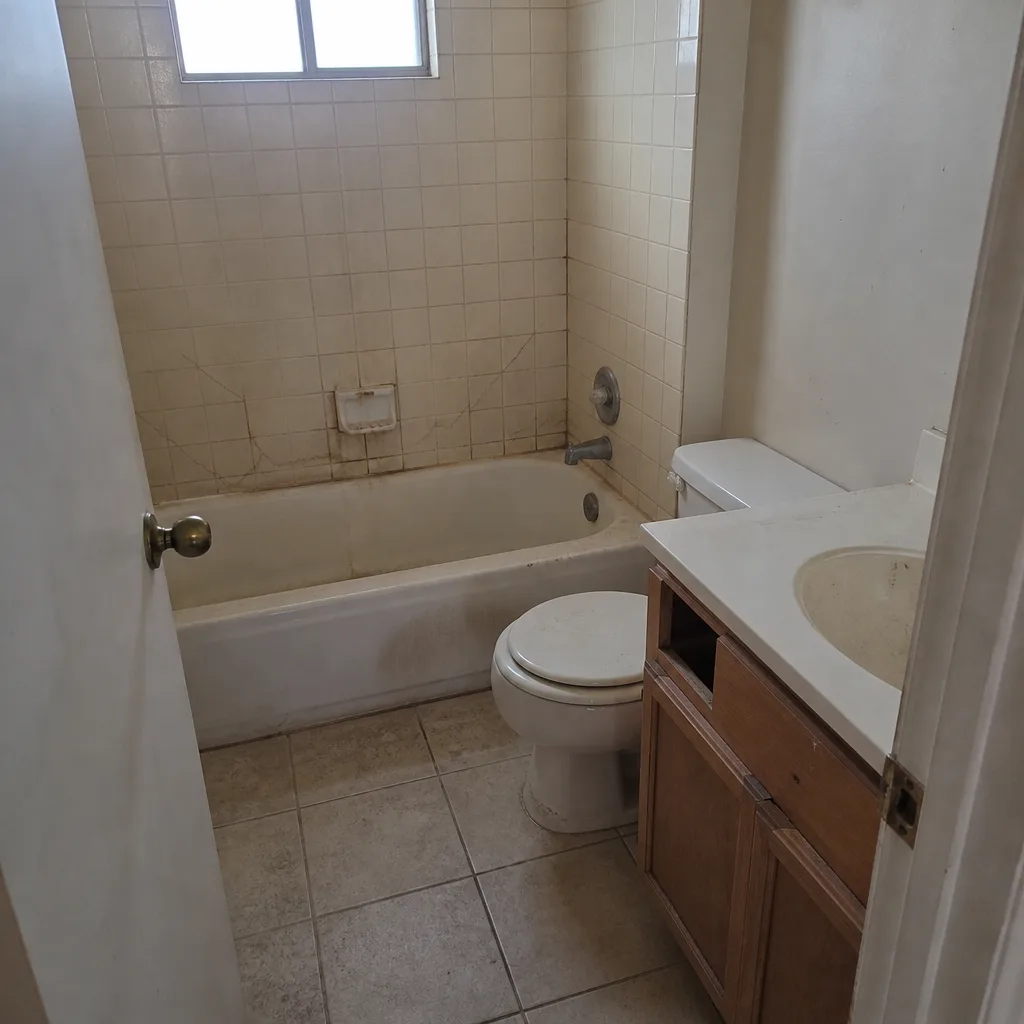
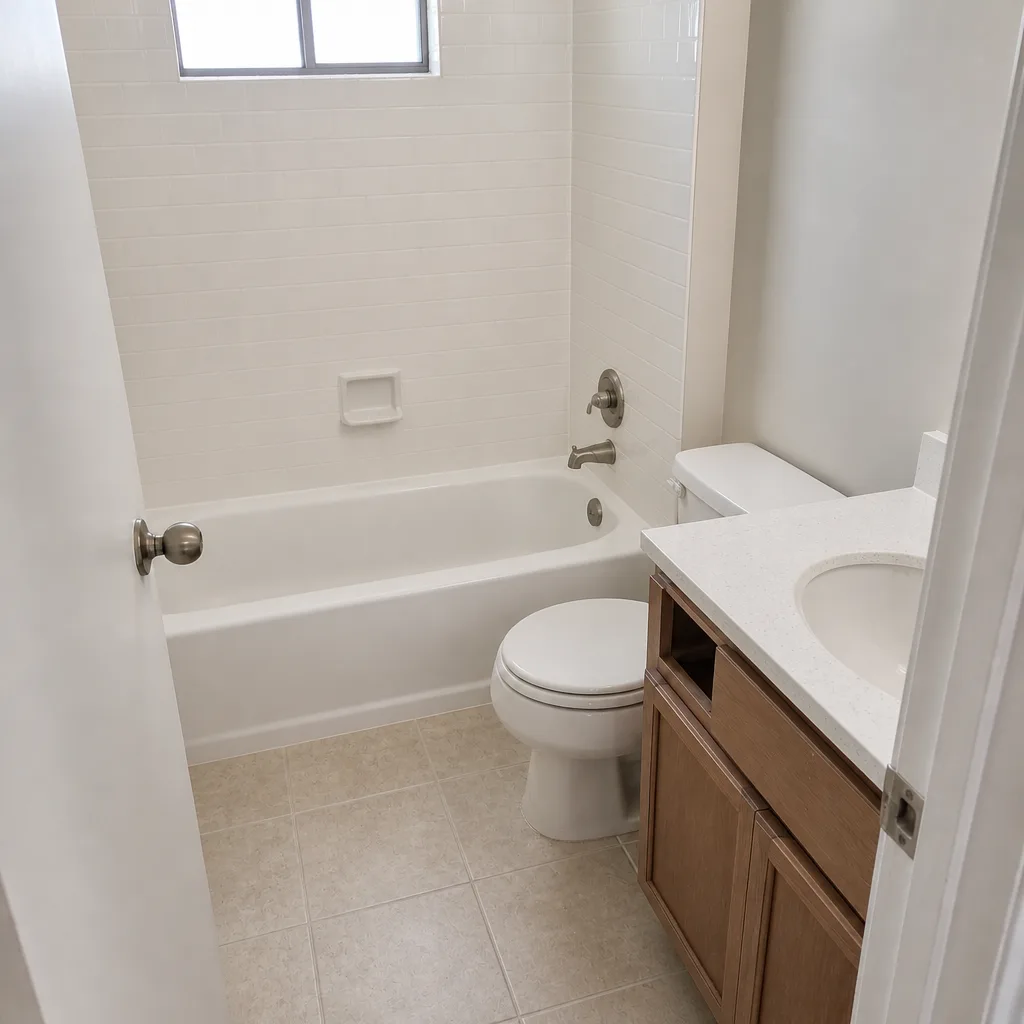
- Bathroom remodeling
- Home additions & ADU
- Roofing
- Windows & doors
- Driveway & pavers
- Fence
Table of Contents
- Clark County vs. City of Henderson: Which Office Issues Your Permit?
- Caliche Soil and What It Costs You
- Nevada Contractor License Classes, Decoded
- The Seven Trades Henderson Homeowners Combine Most
- Why One Licensed Contractor Beats Five Subcontractors
- The Four Documents You Need Before Work Starts
- What Construction Actually Costs in Henderson
- Common Mistakes to Avoid
Clark County vs. City of Henderson: Which Office Issues Your Permit?
Henderson is a strange jurisdictional animal. Some properties inside the city limits are permitted through the City of Henderson’s Building and Fire Safety Division. Others, including much of the newer development in the southern and eastern corridors, are permitted through Clark County because they sit in unincorporated pockets or were annexed after construction. The difference matters because the two offices run different review queues, different inspection schedules, and different submittal requirements.
Here’s what we see in practice. A kitchen remodel pulled through the City of Henderson typically clears plan review in 10 to 15 business days for a straightforward scope. The same scope pulled through Clark County often runs 3 to 5 weeks if it touches structural walls or gas lines. For an ADU or a home addition, add another 2 to 6 weeks on top of that for the second review cycle most plans get. That’s not because one office is slower. It’s because the county queue is longer and the submittal checklist is stricter.
Before you sign anything, do this:
- Look up your parcel on the Clark County Assessor’s site and note the jurisdiction field.
- Call the permitting office directly and confirm which one reviews your address.
- Ask your contractor to show you the permit number for a recent Henderson job in your jurisdiction.
- Ask how long their last Henderson permit took from submittal to issuance. If they can’t answer with a number, that’s information.
If you’re planning a Home Additions & ADU in Henderson, this permitting step alone is often the single largest variable in your schedule. A contractor who knows the difference plans around it. One who doesn’t blames the city later.
Caliche Soil and What It Costs You
Caliche is a calcium carbonate layer that forms in Mojave Desert soil when water leaches minerals downward and they cement together over time. In plain terms, it’s a naturally occurring concrete slab sitting a few feet under your lot. It’s common across the older Henderson neighborhoods and along the eastern foothills near the McCullough Range. You don’t know you have it until someone hits it with a trencher.
What that means for your budget:
- Excavation add-on: $1,800 to $4,500 per zone when caliche is present and needs to be broken out rather than dug through.
- Foundation type impact: standard slab-on-grade is often replaced with a deepened or post-tension slab when the caliche layer pushes the bearing depth down.
- Utility trenching: runs to a pool equipment pad, a detached garage, or an ADU can each encounter caliche independently. Three trenches, three add-ons.
- Paver base: driveways and patios require a proper compacted base regardless, but caliche changes how that base is prepped and what equipment the crew brings.
The fix is not to skip excavation. The fix is to have a soil test or a site walk done before the quote is finalized, and to ask the contractor to state in writing how caliche will be handled and at what price. A quote that doesn’t address it isn’t a quote. It’s an opening bid. When we write a price for a Driveway & Pavers in Henderson project, the base prep and any rock-breaking are line items in the written scope, not surprise add-ons.
Nevada Contractor License Classes, Decoded
The Nevada State Contractors Board issues licenses by classification, and each class authorizes specific work. The two that matter most to Henderson homeowners are the B and C classes.
- Class B (General Building Contractor): authorizes construction of any building or structure, including subcontracting of the trades. This is the class that should appear on the contract for an addition, an ADU, or any project touching multiple trades.
- Class B-2 (Residential General Contractor): the residential equivalent, limited to single-family homes and certain multi-family work, which is what most Henderson homeowners need.
- Class C-3 (Carpentry): framing, cabinetry, finish work.
- Class C-5 (Concrete): flatwork, foundations, structural concrete.
- Class C-14 (Roofing): required for reroofs and roof repairs above a defined dollar threshold.
Here’s the trap. A firm holding only a C-5 license can legally pour your driveway but cannot legally contract for the pergola over it, the fence beside it, or the electrical for a courtyard light. When the wrong class is on the contract, the work isn’t covered by the board’s complaint process if something goes wrong. That’s why the license number, class, and expiration date belong on the written contract, not just on the truck.
Verify any Henderson contractor at the Nevada State Contractors Board website before you sign. Search by license number, not by company name. Numbers don’t change when the LLC does.
The Seven Trades Henderson Homeowners Combine Most
In our experience, most Henderson homeowners don’t buy one trade at a time. They buy a project that happens to require four or five trades, then discover partway through that the fence crew and the paver crew never talked. Here are the seven categories we see bundled most often, and the reason they get bundled.
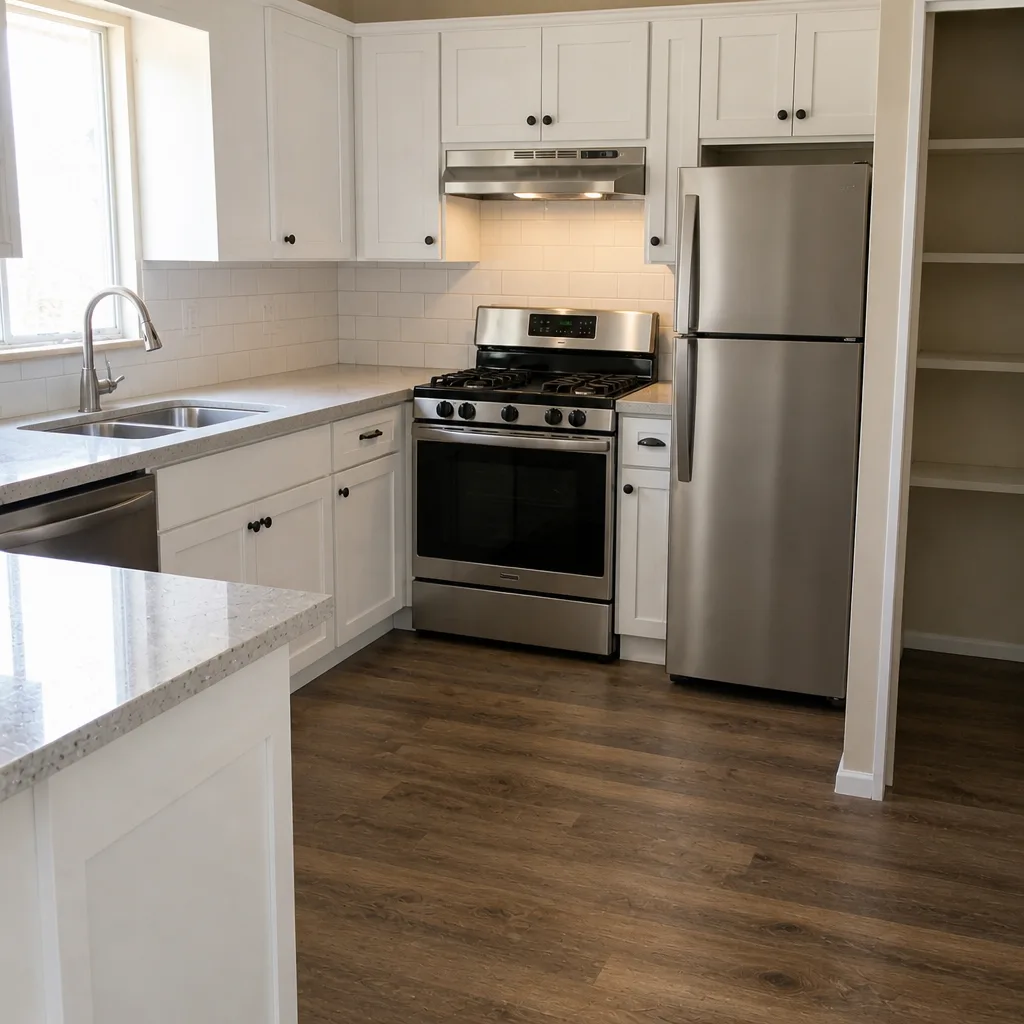
- Kitchen remodeling – typically touches cabinetry, countertops, plumbing, electrical, drywall, and tile. Silestone and Caesarstone slabs are the two countertop names that come up most in Henderson quotes; both require templating after cabinets are set, which means the cabinet crew has to finish first.
- Bathroom remodeling – waterproofing membrane, plumbing rough-in, tile, and electrical all sit inside a 50-square-foot room where sequencing errors cost you two weeks. Kohler and Moen fixtures are the brands we install most; either one has parts available same week from local supply houses.
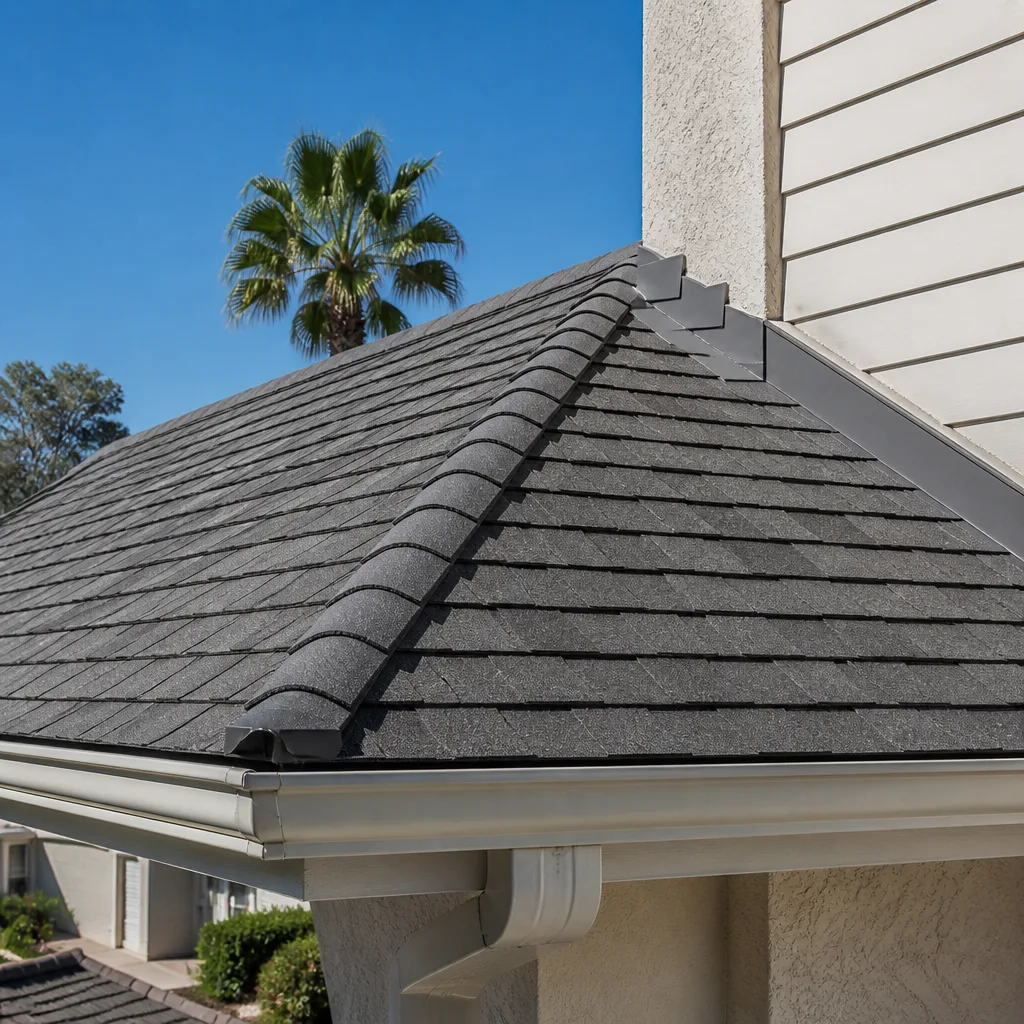
- Roofing – shingle tear-off and re-deck touches fascia, soffit, ventilation, and sometimes solar conduit. In Henderson, a reroof rarely stays a roofing job.
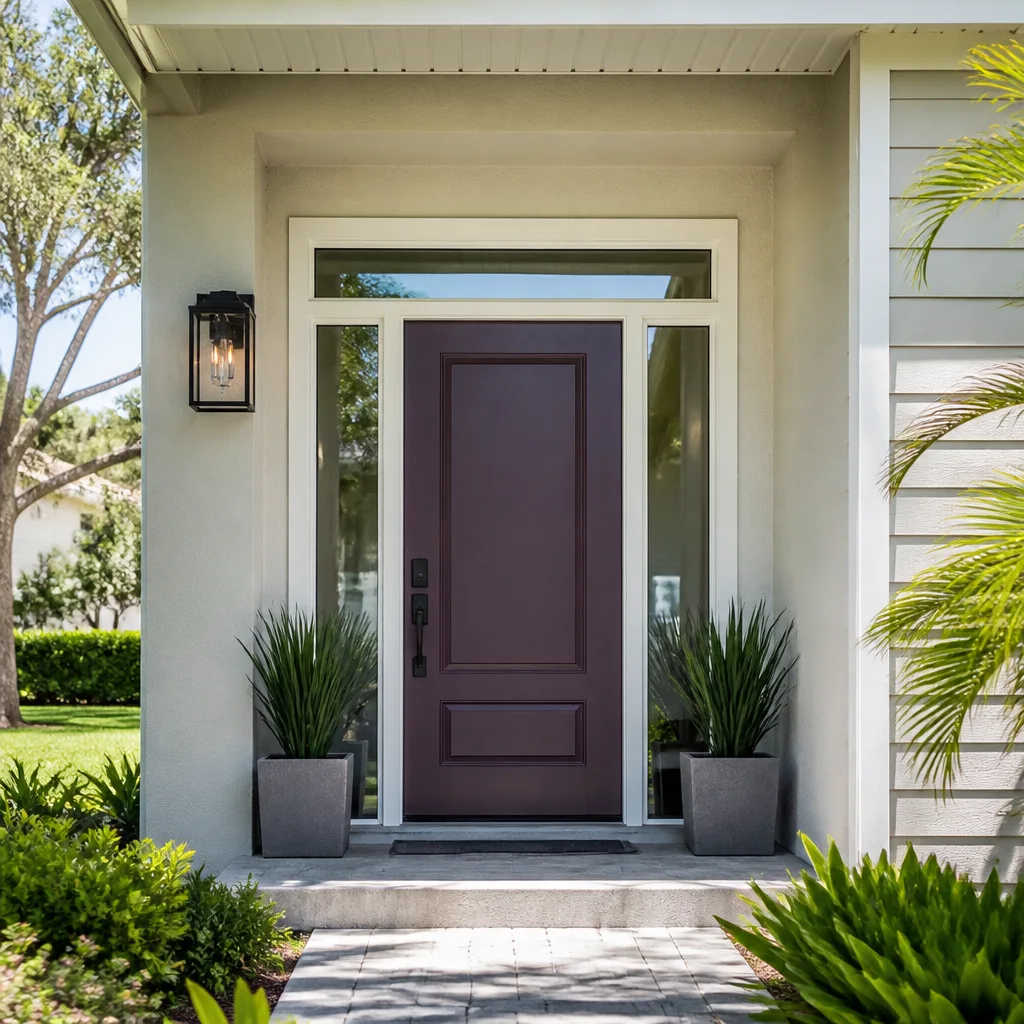
- Windows and doors – window replacement frequently triggers stucco repair and interior trim work. The trim is where the project gets expensive if it wasn’t in the original scope.
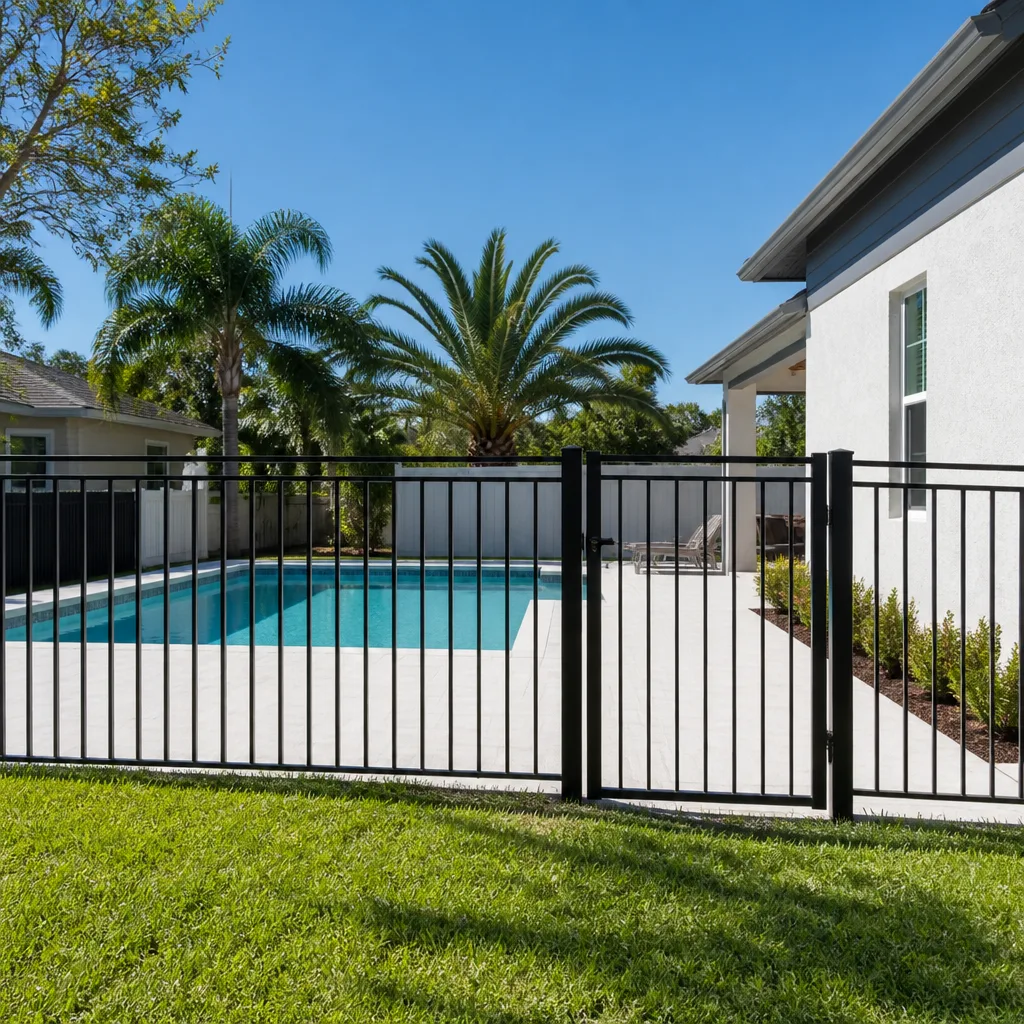
- Fence installation – block walls need concrete footings, gates need hardware, and HOA approval adds weeks. A Fence Installation in Henderson project on a corner lot with an HOA is a multi-trade job by definition.
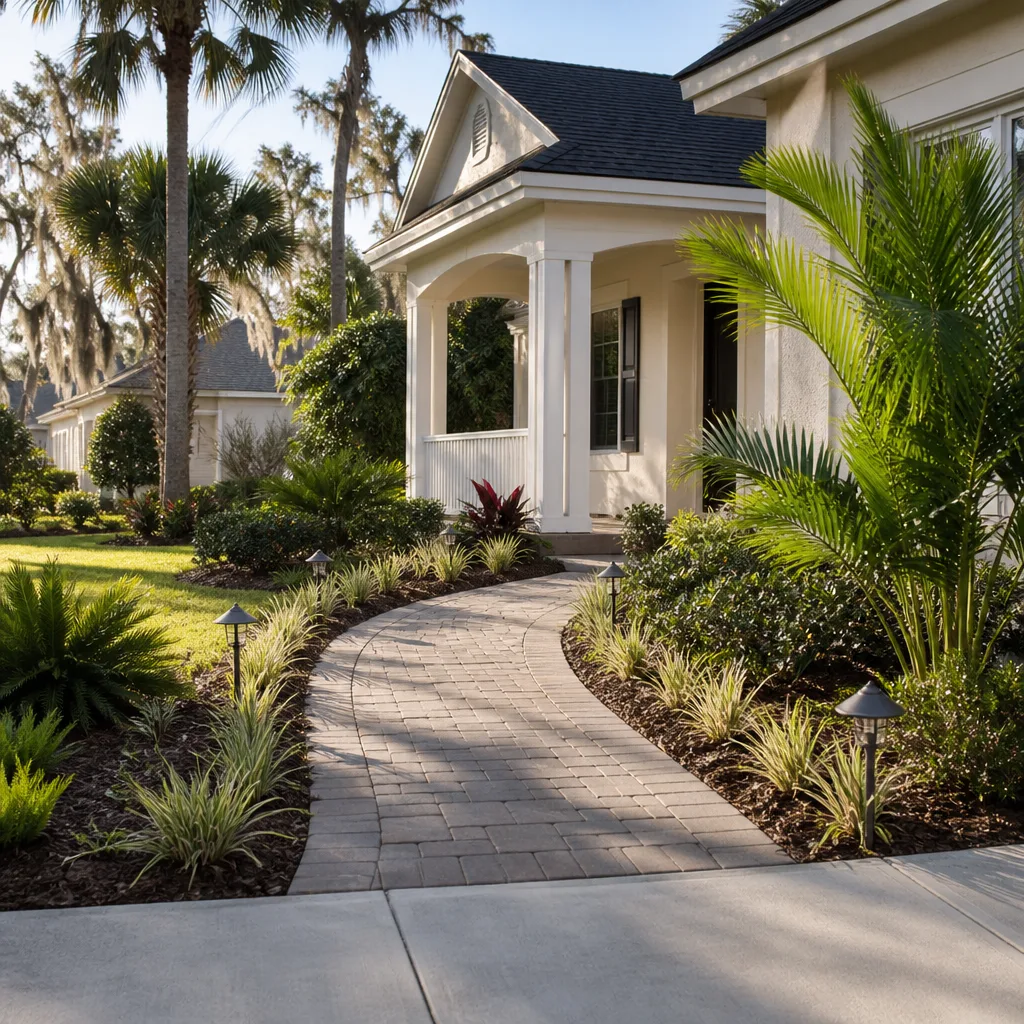
- Driveway and pavers – concrete removal, base prep, drainage, and sometimes electrical for a gate or lighting.
- Home additions and ADUs – all of the above, plus framing, foundation, HVAC, and roof tie-in.
The reason this matters is coordination cost. Every trade you hire separately adds a scheduling gap, a warranty boundary, and a “not my scope” argument when something goes wrong between them.
Why One Licensed Contractor Beats Five Subcontractors
When you hire five trades separately, you become the general contractor. You schedule the plumber, you chase the electrician, you eat the gap when the tile crew arrives before the drywall is finished. That’s a second job, and it’s unpaid.
A single general contractor holding a B-2 or B license absorbs that coordination and puts the warranty on one document. When something leaks at the joint between the shower and the tile, there’s one number to call instead of two firms pointing at each other. A general contractor also carries the insurance that covers the whole scope, which is the piece unlicensed handymen never have.
The cost comparison usually surprises people. Hiring a general contractor often costs 10 to 18 percent more on line-item price, then saves 15 to 25 percent on rework, scheduling gaps, and repairs where two trades left a seam. The honest number depends on how many trades your project touches. Anything at four or more, the math favors one firm.
Ask any contractor you’re considering: what’s your base warranty, and in writing? What happens to the warranty if I sell the house? Is the workmanship warranty transferable, and for how long? If the answers are vague, the warranty isn’t real.
The Four Documents You Need Before Work Starts
This list is the single most useful thing in this guide. Do not let a crew touch your Henderson property until you have all four in hand.
- Signed contract with a flat written price and a written scope. Not an estimate. Not a proposal. A price with a scope, a start window, and a completion window, signed by both parties. If the contractor won’t put a number down, walk.
- Permit number, before day one. Ask for the permit number and verify it on the permitting office’s online portal. A permit pulled after work starts is a stop-work order waiting to happen.
- Insurance certificate naming you as additional insured. Request the certificate directly from the contractor’s insurance agent, not from the contractor. Confirm general liability and workers’ comp are both active and both name you, the homeowner, as additional insured on the liability policy. Additional insured is not the same as certificate holder, and the difference matters.
- Lien waiver template. Each subcontractor and material supplier should sign a conditional lien waiver as they’re paid. This is the document that prevents a supplier you never hired from placing a mechanics lien on your home when the general contractor doesn’t pay them.
Two more worth keeping in the same folder: the change order template (no work proceeds on a change until the change order is signed, with a price and a scope), and the photo record of the work as it progresses. Photos taken at each stage, kept in a shared folder, are the record you’ll want if there’s ever a dispute. We consider a documented photo record a standard deliverable, not an upgrade.
What Construction Actually Costs in Henderson
These are the ranges we see for Henderson projects in the current market. Every project is different, and final numbers depend on scope, permit class, caliche, and finishes.
| Project | Typical range | Notes |
|---|---|---|
| Bathroom remodel (full, mid-grade) | $18,000 – $42,000 | Fixture brand and tile selection drive most of the spread |
| Kitchen remodel (full, mid-grade) | $38,000 – $85,000 | Cabinet brand layer moves the top of the range |
| Roof replacement (2,000 sq ft, single layer) | $14,000 – $24,000 | Second layer tear-off and decking repair add cost |
| Window replacement (per unit, mid-grade) | $750 – $1,400 | Stucco repair and interior trim often separate |
| Fence (block wall, per linear foot) | $55 – $110 | Footings, gates, and HOA approval add line items |
| Paver driveway (per square foot) | $14 – $28 | Base prep and caliche excavation add $1,800 – $4,500 per zone |
| Home addition (per square foot) | $260 – $480 | Foundation, roof tie-in, HVAC, and permitting all scale with size |
| ADU (detached, 600 sq ft) | $160,000 – $260,000 | Utility runs and foundation type drive the range |
Get two quotes minimum, three if you have the time. Bring them to any conversation you have with us and we’ll do a free second opinion, line by line, at no charge. The document that protects you isn’t the lowest number. It’s the one with the fewest open items.
Common Mistakes to Avoid
- Signing a contract with a license class that doesn’t cover the work. A C-5 concrete license can’t legally contract for the pergola over the driveway. Verify the class against the scope before signing, not after.
- Accepting a “call for a quote” arrangement. A written price before any work starts is a non-negotiable. If the price appears only after the truck arrives, the price is whatever the contractor decides it is that morning.
- Skipping the additional insured line on the insurance certificate. A certificate holder listing is not the same protection. The agent should name you as additional insured, in writing.
- Ignoring caliche until excavation day. If your lot sits in an older Henderson neighborhood, assume caliche is a possibility and get it addressed in the written scope before the first invoice.
- Not confirming jurisdiction before submittal. Submitting a Henderson parcel to the wrong permitting office costs 2 to 6 weeks of calendar time and usually a re-submittal fee.
- Hiring trades separately on a project that touches four or more. You become the general contractor, the scheduler, and the warranty department. The savings rarely survive the first rework.
- Letting work proceed on a change without a signed change order. Verbal change orders are where projects go 20 percent over budget. Under a signed change order discipline, the number stays where the customer agreed to it.
When to Call a Professional
Some work is DIY territory: paint, fixtures, trim, landscaping. Most of what we’ve covered in this guide is not. Call a licensed professional when the project touches any of the following: structural walls, gas lines, electrical panels, the roof plane, the foundation, or any element of the envelope. Call for permitting help the moment your project crosses a scope threshold that requires plan review. Call when you’re comparing two quotes and can’t tell what’s missing from either. And call the moment you suspect your caliche layer will push foundation costs up, because the fix gets three times more expensive after the pour. Rowan Construction Group Henderson offers free estimates in Henderson – call (833) 954-5920 to schedule one. Estimates are free, and they come with a written price.
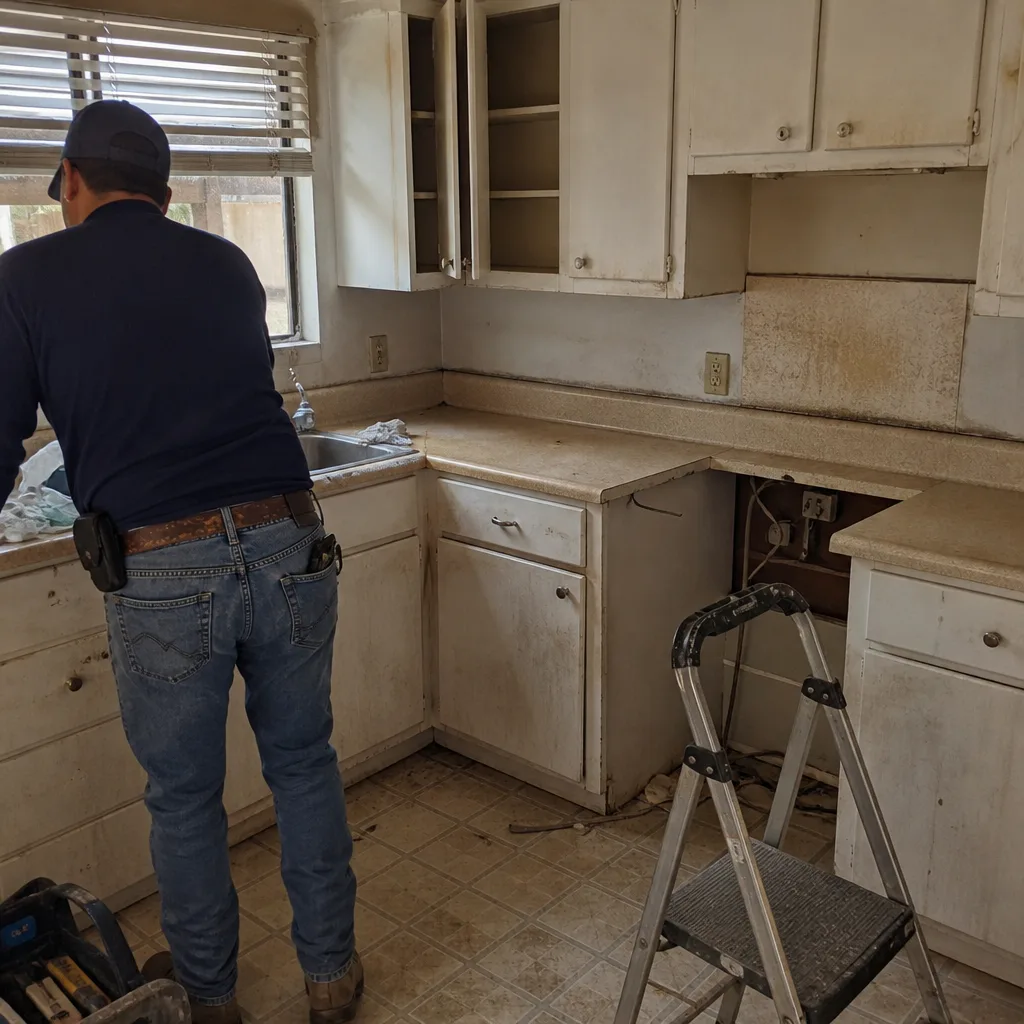
See the difference
 Before
 After
 Before
 After
 Before
 After
Frequently Asked Questions
Look up your parcel on the Clark County Assessor’s site and check the jurisdiction field, then confirm with the permitting office directly. Some pockets inside the Henderson city limits are still permitted through Clark County, and the submittal checklists differ. Confirming before submittal saves you 2 to 6 weeks. Call (833) 954-5920 for a free estimate and we’ll confirm which office reviews your project as part of the first walkthrough.
A B-2 is a residential general contractor license, authorizing work across multiple trades on a single-family home, while a C-5 is a concrete-only specialty license. A C-5 contractor can legally pour your foundation but cannot contract for the framing, roofing, and electrical that sit on top of it. The license class belongs on your written contract, verified at the Nevada State Contractors Board. Estimates on the correct license class are free at (833) 954-5920.
Yes, if your lot sits on it, and expect $1,800 to $4,500 per zone in excavation add-ons. Caliche is a calcium carbonate layer common in older Henderson neighborhoods and along the eastern foothills. It changes foundation type and equipment needs. Ask your contractor to write the caliche contingency into the scope before the quote is signed. Free estimates and a free second opinion on any written quote are available at (833) 954-5920.
Fence installation typically requires an encroachment permit and, on corner lots or properties inside an HOA, a separate HOA review, while paver driveways often require a grading or drainage component in the permit. The rules vary by jurisdiction and HOA. Confirm before ordering materials. For a written scope on Fence Installation in Henderson or Driveway & Pavers in Henderson, call (833) 954-5920 for a free estimate.
Additional insured means you, the homeowner, are covered under the contractor’s liability policy for the duration of the project. It’s different from a certificate holder listing, which only proves the policy exists. Ask the contractor’s insurance agent for a certificate naming you as additional insured, and confirm both general liability and workers’ comp are active. Free second opinions on any written insurance scope are available at (833) 954-5920.
Plan on 5 to 9 months from contract to completion for a typical home addition in Henderson, with permitting alone consuming 4 to 10 of those weeks depending on jurisdiction and plan review cycles. ADUs run on a similar schedule, sometimes longer if utility trenching hits caliche. Call (833) 954-5920 to schedule a free estimate on a Home Additions & ADU in Henderson project and get a written timeline.
The Bottom Line
Construction in Henderson is a documentation problem before it’s a construction problem. Between the two permitting jurisdictions, the caliche layer, the license class trap, and the coordination cost of hiring trades separately, the difference between a project that finishes on budget and one that ends at 130 percent of the agreed number is almost always which documents you had in hand before work started. Get a flat written price. Get the license class verified. Get the additional insured certificate from the agent. Get the lien waiver template ready. Then start the work. If you want a starting point you can screenshot and compare, see the Rowan Construction Group Henderson home page.
Contact
Rowan Construction Group Henderson writes a flat price before any work starts, on every trade, every time. Every estimate comes with a written scope, a written price, and a written warranty, and we’ll review any competitor’s quote line by line at no charge. Call (833) 954-5920 for a free estimate. If you’d rather text, that works too. Calls are answered by a live person, day or night. Crews are background-checked and uniformed, and a documented photo record of every visit is included as standard.
Written by the team at Rowan Construction Group Henderson.